




Pore Blockage in Comedonal Acne
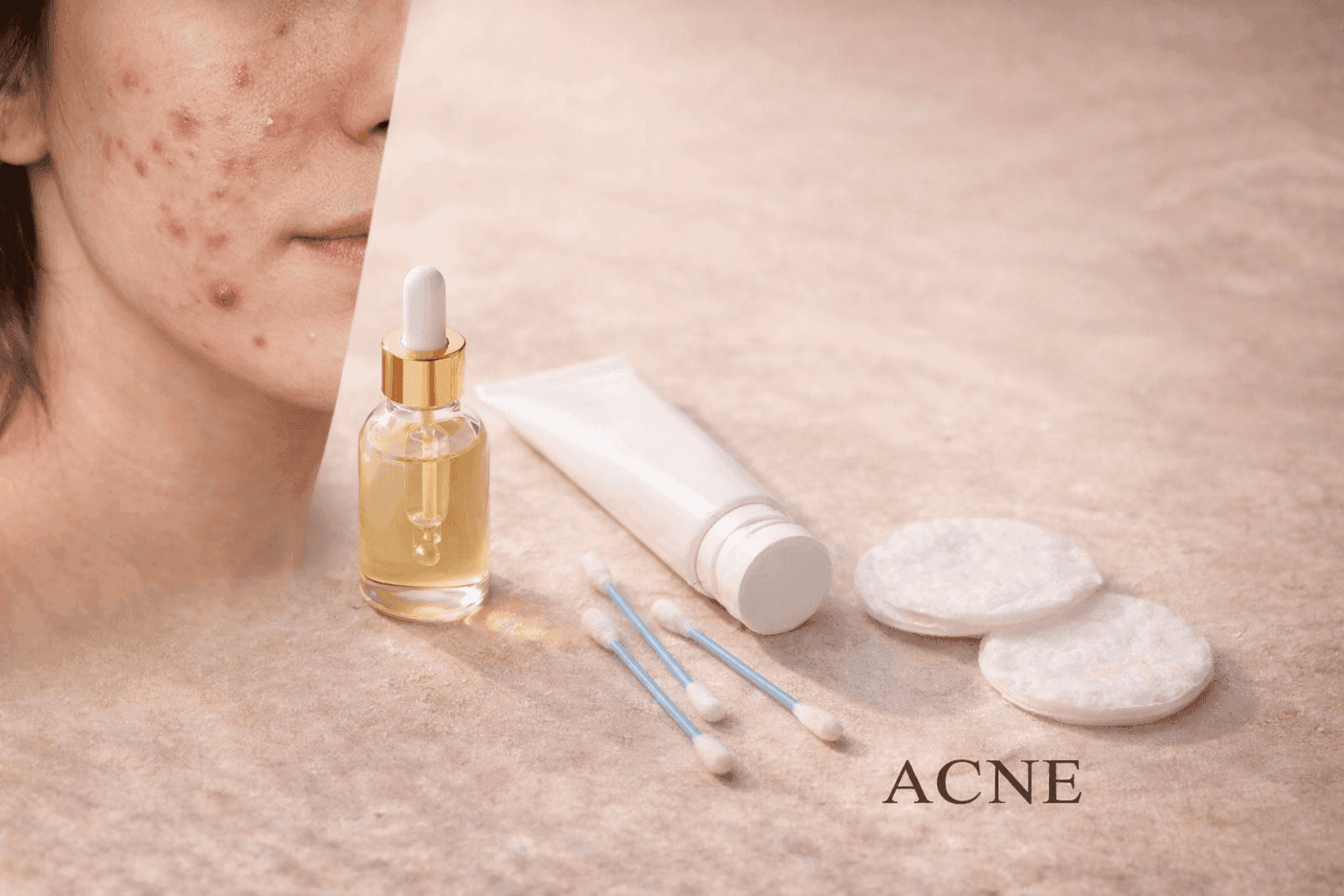
Comedonal acne develops when dead skin cells and sebum accumulate inside pores, creating blockages that appear as small bumps on the skin. These comedones form because the pore lining sheds cells faster than they can exit, trapping oil and debris that harden into plugs visible as whiteheads or blackheads.
Key Takeaways:
- Comedones are non-inflamed acne lesions caused by pore blockages
- Dead skin cell buildup and excess sebum are the primary factors
- Blackheads form when pore contents oxidize; whiteheads remain closed
- Comedonal acne differs from inflammatory acne but can progress if untreated
- Understanding pore function helps prevent future blockages
What Happens Inside a Blocked Pore
Your skin constantly renews itself by shedding dead cells from the surface. In healthy pores, this process happens smoothly. The cells detach, mix with sebum, and exit the follicle without issue. In comedonal acne, something disrupts this natural flow.
The cells lining the pore begin shedding faster than normal, a process called increased desquamation. These excess cells don't exit properly. Instead, they accumulate inside the follicle, mixing with sebum produced by the attached oil gland. As more cells and oil collect, they form a plug that stretches the pore opening.
The sebum in this mixture contains lipids that begin to oxidize when exposed to air. This chemical reaction turns the surface dark, creating what we recognize as a blackhead. When the pore opening remains closed by skin, the contents stay white or flesh-colored, forming a whitehead or closed comedone.
This entire process happens without significant inflammation, which distinguishes comedonal acne from papules, pustules, or Cystic Acne. The blockage itself is the problem, not bacterial infection or immune response.
Why Pores Become Blocked
Multiple factors influence whether your pores stay clear or develop comedones. The most fundamental issue involves sebum production patterns. When oil glands produce more sebum than your skin can effectively clear, the excess oil provides more material for blockages to form.
The consistency of sebum matters as much as quantity. Thicker, stickier oil doesn't flow as freely through the follicle. This texture change can result from hormonal fluctuations that alter the lipid composition of sebum, making it more likely to combine with dead cells into solid plugs.
The rate of cell turnover in the follicle lining plays an equally important role. When these cells shed too rapidly, they overwhelm the pore's ability to expel them. This accelerated shedding often stems from genetic factors that determine how quickly your skin renews itself.
The pore structure itself contributes to blockage risk. Smaller pore openings provide less space for sebum and cells to exit, increasing the chance of accumulation. Additionally, if the follicle wall becomes slightly inflamed or irritated, it may swell enough to narrow the opening further.
Triggers That Worsen Comedone Formation
Certain habits and exposures accelerate pore blockages even in skin not normally prone to comedones. Heavy cosmetic products that contain occlusive ingredients sit on the skin surface and can migrate into pores, adding to the material that needs to exit. Foundations, sunscreens, and moisturizers with thick textures may contribute to this issue, particularly when layered without proper cleansing.
Environmental pollutants settle on skin throughout the day. These tiny particles can enter pores and mix with sebum, creating a grittier plug material that's harder to clear naturally. Urban environments with higher pollution levels often correlate with increased comedone formation.
Friction from repeated touching, leaning on hands, or pressure from phone screens can mechanically push surface debris into pores. This constant low-level trauma also triggers mild inflammation that narrows follicle openings. Similarly, wearing masks for extended periods creates a warm, humid environment that softens the skin and allows easier pore penetration by surface materials.
Cleansing habits significantly impact comedone development. Over-washing strips the protective lipid barrier, which prompts sebaceous glands to increase oil production as a compensatory response. This rebound effect actually worsens the sebum accumulation problem. Conversely, under-cleansing leaves makeup, sunscreen, and environmental debris on skin where it can enter pores.
Harsh cleansing methods using physical scrubs or rough cloths can irritate the pore opening, causing minor swelling that traps existing contents and prevents proper drainage. The skin responds to this mechanical irritation by thickening slightly, which narrows follicle openings.
The Role of Hormones in Comedone Development
Hormonal fluctuations directly influence both sebum production and cell turnover rates in follicles. Androgens, particularly testosterone and its derivatives, stimulate sebaceous glands to enlarge and produce more oil. Even normal levels of these hormones can trigger excess sebum in genetically susceptible individuals.
During certain life stages, hormonal shifts make comedonal acne more likely. Adolescence brings surging androgens that activate previously dormant oil glands. Many people experience their first comedones during these years as their skin adjusts to new hormone levels.
Monthly menstrual cycles create predictable hormone fluctuations that affect sebum flow. The week before menstruation, progesterone levels peak, which can alter sebum consistency and increase the likelihood of pore blockages. Many individuals notice new comedones appearing during this phase.
Stress elevates cortisol, which indirectly affects oil production and may worsen existing blockages. Chronic elevated cortisol also impairs skin barrier function, making pores more vulnerable to external debris entering and becoming trapped.
Sleep deprivation disrupts multiple hormonal systems simultaneously. Growth hormone secretion that normally peaks during deep sleep becomes irregular, affecting how efficiently skin repairs and renews itself. This disruption can lead to abnormal cell shedding patterns in follicles.
How Comedones Differ From Other Acne Types
Understanding the distinction between comedonal acne and inflammatory acne helps clarify appropriate management approaches. Comedones are purely mechanical blockages without significant bacterial involvement or immune system activation. The bumps feel firm but not tender, and they lack redness or warmth.
When bacteria called Cutibacterium acnes multiply inside a blocked pore, they consume the trapped sebum and produce inflammatory byproducts. The immune system responds to these byproducts, transforming the quiet comedone into an inflamed papule or pustule. This progression represents a shift from comedonal to inflammatory acne.
Some individuals develop primarily comedones with minimal inflammation, while others quickly progress from blocked pores to inflamed lesions. This variation reflects differences in bacterial populations, immune reactivity, and pore structure.
Blackheads remain stable for extended periods without becoming inflamed because the open pore allows some oxygen penetration, which limits bacterial overgrowth. Whiteheads create an oxygen-poor environment that's more favorable for bacterial proliferation, making them more likely to become inflamed if not addressed.
Distribution Patterns and What They Indicate
Comedones typically concentrate in areas with the highest sebaceous gland density. The forehead, nose, and chin form the central T-zone where oil production naturally runs higher. Many people develop comedones primarily in this region while the cheeks remain relatively clear.
When comedones appear predominantly on the lower face, jaw, and neck, hormonal influences often play a stronger role. This distribution pattern frequently correlates with menstrual cycle fluctuations or underlying hormonal imbalances.
Comedones scattered across the cheeks and temples may indicate external factors like cosmetic products, hair products migrating onto facial skin, or pillowcase friction during sleep. The lateral face receives more contact with these potential irritants.
Back and chest comedones develop in people whose sebaceous gland activity extends beyond the face. These areas also experience friction from clothing and may trap sweat, which dilutes sebum and affects how easily it flows from pores.
Early Intervention Approaches
Addressing comedones before they progress to inflammatory acne prevents more extensive skin concerns. The goal centers on helping pores clear accumulated material and preventing new blockages from forming.
Gentle exfoliation supports the natural cell turnover process without causing irritation that might worsen blockages. Chemical exfoliants that dissolve the bonds between dead cells allow them to detach more easily from pore walls. This approach works more effectively than physical scrubbing, which can traumatize pore openings.
Maintaining consistent cleansing removes surface debris that might enter pores while avoiding the over-washing that triggers rebound oil production. The cleansing method matters as much as frequency. Lukewarm water and gentle circular motions clear the skin without causing defensive responses.
Non-comedogenic product selection prevents adding ingredients that themselves block pores. These formulations use lighter oils and avoid heavy waxes or thick emollients that resist flowing through follicles. Checking ingredient lists helps identify potential pore-blocking components.
Supporting the skin barrier with appropriate hydration helps normalize sebum production over time. When the outer skin layer functions well, oil glands receive accurate feedback about moisture needs and adjust their output accordingly.
The Skin Barrier Connection
The relationship between barrier function and comedone formation operates through multiple pathways. A compromised barrier allows increased water loss from the skin surface, which triggers sebaceous glands to produce more lipid-rich sebum as a protective response. This compensation floods pores with more oil than they can efficiently clear.
Barrier damage also permits easier penetration of external particles into pores. The normally tight cell structure that keeps pollutants and cosmetic ingredients on the surface becomes permeable when disrupted. These foreign materials then contribute to plug formation inside follicles.
Inflammation associated with barrier dysfunction causes slight swelling throughout the skin, including the delicate follicle lining. This swelling narrows pore openings mechanically, making it harder for sebum and cells to exit normally.
Maintaining barrier integrity requires protecting the lipid matrix that holds surface skin cells together. Harsh cleansers, excessive exfoliation, and environmental stressors like dry air or UV exposure all degrade this protective layer.
Dietary Factors and Pore Blockages
Emerging research suggests certain dietary patterns may influence comedone development through their effects on sebum production and inflammation. High glycemic foods that rapidly spike blood sugar levels trigger insulin release, which in turn stimulates androgens that increase oil production. This cascade can worsen existing tendencies toward pore blockages.
Dairy products contain hormones and bioactive molecules that some individuals' bodies respond to by increasing sebum output. The relationship varies significantly between people, with some experiencing clear associations while others notice no connection.
Omega-3 fatty acids found in fish and certain plant sources possess anti-inflammatory properties that may help modulate the low-grade inflammation contributing to altered cell turnover in follicles. Adequate intake supports overall skin function without directly clearing existing comedones.
Hydration status affects sebum consistency throughout the body. Chronic mild dehydration can result in thicker, less fluid sebum that's more prone to forming solid plugs inside pores.
When Comedones Indicate Underlying Concerns
While most comedonal acne represents a variation in normal skin function, certain presentations warrant professional evaluation. Sudden onset of extensive comedones in adults who previously had clear skin may indicate hormonal shifts requiring medical assessment.
Comedones that resist consistent appropriate skincare for several months might benefit from professional guidance to identify overlooked triggers or contributing factors. Persistent blockages sometimes reflect internal patterns that topical approaches alone cannot fully address.
When comedones regularly progress to inflamed, painful lesions, early dermatology consultation can prevent scarring and help identify whether additional interventions beyond basic skincare might benefit the situation.
Lifestyle Factors That Support Clear Pores
Sleep quality influences multiple systems relevant to pore health. During deep sleep stages, skin undergoes repair processes that include normalizing cell turnover rates and optimizing barrier function. Consistent insufficient sleep disrupts these patterns, potentially contributing to the abnormal follicle cell shedding that initiates comedones.
Stress management affects cortisol levels and their downstream effects on oil production. Practices that reduce chronic stress help maintain more stable hormone patterns that support normal sebum flow.
Regular physical activity improves circulation that delivers nutrients to skin cells and removes metabolic waste products. However, sweating without prompt cleansing can temporarily trap moisture and debris in pores, so post-exercise washing matters.
Pillowcase hygiene prevents redepositing the oils, dead cells, and hair products that accumulate on fabric back onto facial skin during sleep. Changing pillowcases twice weekly reduces this source of pore-blocking material.
Understanding Internal Triggers: Clear Ritual's Perspective
Comedonal acne develops from multiple interacting factors including hormonal patterns, sebum composition, cell turnover rates, barrier function, stress responses, and genetic predispositions. External approaches like topical skincare and habit modifications address symptoms by helping clear existing blockages and preventing new ones. However, they may not identify or resolve the specific internal triggers driving persistent comedone formation in your individual case. At Clear Ritual, we combine the best of three worlds - Ayurveda, modern dermatology, and advanced skin science - to understand individual triggers through a structured skin assessment. This approach recognizes that lasting improvement often requires understanding the unique combination of factors contributing to your specific skin patterns. Identifying these underlying triggers allows for more targeted support that addresses root causes rather than only managing surface symptoms.
Frequently Asked Questions
What causes blackheads to form instead of whiteheads?
Blackheads develop when the blocked pore remains open to the skin surface, allowing air exposure. The sebum and cellular debris inside undergo oxidation, a chemical reaction that darkens the material. Whiteheads form when a thin layer of skin covers the pore opening, preventing oxygen contact and keeping the contents white or flesh-colored.
Can you permanently shrink pores that have been stretched by comedones?
Pores don't contain muscles and cannot actively shrink, but consistently keeping them clear allows the stretched opening to gradually contract to a less noticeable size. The surrounding skin structure has some elastic recoil that reduces pore appearance once the stretching plug is removed and prevented from reforming. Genetics determine baseline pore size, which sets limits on how small they can appear.
Why do comedones keep returning in the same spots?
Certain follicles have structural characteristics that make them more prone to blockages, including narrower openings, more active sebaceous glands, or angled follicle canals that don't drain as efficiently. Once a pore has been significantly stretched by a large comedone, it may remain slightly larger and more vulnerable to future blockages even after clearing.
How long does it take for a comedone to form?
Comedone formation typically occurs over several weeks as dead cells and sebum gradually accumulate inside the follicle. The process happens slowly and continuously rather than suddenly. Microcomedones invisible to the naked eye may exist for weeks before becoming noticeable as visible blackheads or whiteheads.
Is it harmful to extract comedones at home?
Improper extraction can traumatize the pore lining, push contents deeper into the skin, introduce bacteria, and potentially cause scarring or pigmentation changes. Professional extraction uses sanitized tools and proper technique to minimize these risks. If comedones are extracted at home, the skin should be clean, hands washed, and only gentle pressure applied to avoid damage.
Do comedones eventually go away on their own?
Some comedones may gradually work their way to the surface and clear spontaneously over several months, but many persist indefinitely without intervention. Blackheads often remain stable for extended periods, while whiteheads have higher chances of either clearing or progressing to inflamed lesions depending on bacterial activity inside the blocked pore.
Can over-moisturizing cause comedones?
Using moisturizers with heavy, occlusive ingredients or applying more product than your skin needs can contribute to pore blockages, especially in naturally oily skin. However, appropriate moisturization actually supports barrier function and helps normalize oil production. The key involves choosing lighter formulations with non-comedogenic ingredients matched to your skin's actual hydration needs.
Why do I get comedones only during certain times of the month?
Hormonal fluctuations throughout the menstrual cycle affect sebum production and composition. Progesterone levels peak in the week before menstruation, which can increase oil output and alter its consistency, making pore blockages more likely. Estrogen, which is higher during the first half of the cycle, tends to have a moderating effect on oil production.
Editorial Standards
Clear Ritual has Strict sourcing guidelines to ensure our content is accurate and current. We rely on peer-reviewed studies, academic research institutions, and medical associations. We strive to use primary sources and refrain from using tertiary references. See a mistake? Learn More about our Editorial Standards.



