




Acne and Diet: What’s the Real Link Between Food and Breakouts?
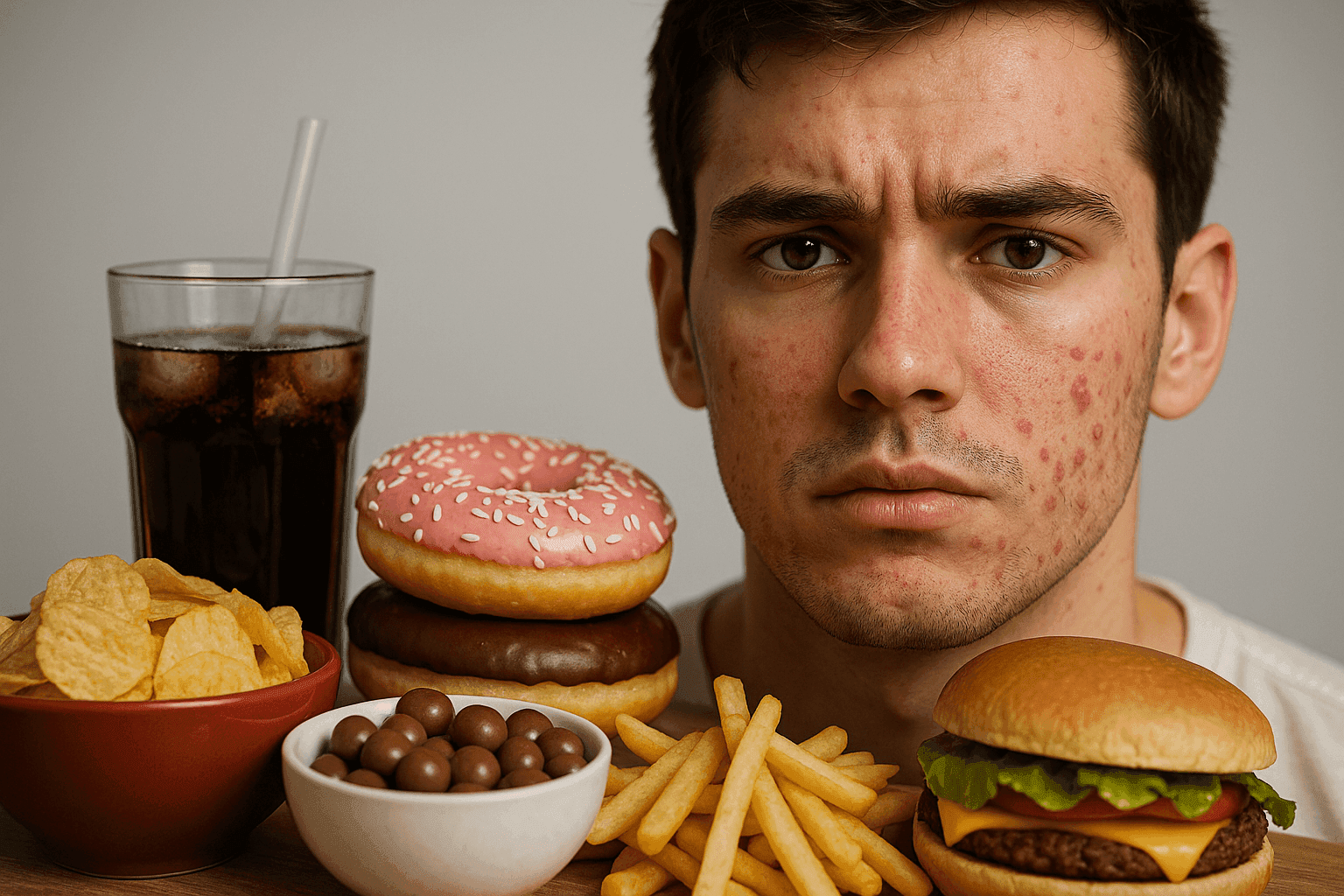
Acne and diet are closely related; diet plays a big role in managing acne, though it alone doesn't cause or cure it. Smart dietary adjustments can significantly reduce inflammation and control breakouts.
A diet that is high in refined carbohydrates or sugar often spikes your blood sugar levels rapidly, causing a sharp rise in insulin and IGF-1 levels. This insulin surge can trigger excess sebum production and disrupt hormone balance.
How Are Acne and Diet Related?
You might have heard that your skin is a reflection of what you eat, and to an extent, it's true. Your daily food habits directly influence your skin's health. Being mindful of what you eat, your portion sizes, and your meal frequency is essential because they all impact your skin. Skincare is one part, but a balanced diet that works for your skin can help you get the most out of your skincare products.
Dietary impacts are highly individual. Breakouts depend on baseline hormone levels (like insulin and androgens), chronic inflammation, gut health, genetics, and age. How your body reacts to a particular food can't be controlled naturally. But you can track your eating habits and understand what your triggers for acne are.
People often see a noticeable difference once they start following a clean diet. Nothing can replace good eating habits and hygiene. A good diet supports skin healing by keeping hormone levels stable and sebum production in check.
Does Food Cause Acne?
Food alone doesn’t cause acne; no single food triggers it in everyone. However, the one food group with strong research backing is high-glycaemic foods, those that spike blood sugar quickly.
Foods That Cause Acne
Diet doesn't directly cause acne, but specific foods can trigger hormonal acne and inflammatory responses that worsen breakouts. Managing your intake of these key items can significantly improve your skin health:
High-Glycaemic Index Foods
High-glycaemic foods like white bread, rice, pasta, sugary snacks, soft drinks, candies, breakfast cereals, and processed baked foods spike blood sugar quickly.
When you consume these foods in large quantities, your body releases insulin and IGF-1 (insulin-like growth factor). IGF1 is known to stimulate excessive sebum production, which can clog pores and trigger acne.
Refined Carbohydrates
Refined carbohydrates cause acne by triggering rapid spikes in blood sugar and insulin. Foods like pastries, cakes, cookies, doughnuts, white rice, noodles, and pasta made with refined white flour can worsen existing acne.
Dairy Products
Dairy contains natural hormones and growth factors (like IGF-1) that can stimulate the body's androgen pathway, potentially increasing DHT levels, a key acne trigger.
Reactions to dairy can vary based on the type, full-fat, skimmed, or processed, and how it is digested individually.
Note - The combination of dairy and high-fat meat increases the overall saturated fat and hormonal load in one meal, which may worsen inflammation.
Deep Fried Foods
A common belief is that oily food makes your skin oily, but that is not how it works. Deep-fried foods trigger acne through inflammation and high glycaemic load, not by transferring oil to the skin.
Consuming french fries, chicken nuggets, burgers, deep-fried indian snacks, potato chips, spicy chips, and deep-fried momos can aggravate acne due to high levels of trans and saturated fat content.
Fast Foods
Fast food usually contains high levels of refined carbohydrates, saturated fats, and dairy. Fast foods like sugary drinks, sodas, deep-fried snacks, refined-flour buns, pizza, heavy milkshakes, and ice cream naturally promote excess oil production.
Whey Protein
Whey protein, popular for muscle recovery, is also a recognised dietary trigger for acne. Whey protein can raise insulin and IGF-1 levels that can increase oil production and result in acne around the jawline, back, and shoulders.
High-fat Meat
Certain high-fat and processed meats contain high levels of sodium, saturated fats, and preservatives that may increase oxidative stress on the skin.
Foods like bacon, sausage, pepperoni, fatty cuts of beef and lamb, fried chicken, chicken nuggets, and fast-food burgers can increase inflammation and overload your body with saturated fats that increase sebum production.
Processed Non-veg Food
Processed non-veg foods cause acne by triggering hormonal imbalances, inflammation, and excess sebum production.
Food items like salami, deep-fried chicken, greasy burgers, packaged or heavily spiced non-veg curries, and cream fuel breakouts, and are a major cause of hormonal imbalance.
High Fats
Oils high in omega-6 fatty acids, like sunflower, corn, and soybean oil, found in most processed snacks and fried foods, can intensify inflammation.
Diet for Oily Skin and Acne
Managing oily skin and acne requires a consistent diet that regulates sebum production and controls inflammation. The most effective approach is eating low-glycaemic foods and healthy fats while limiting dairy and refined sugars.
Here are some foods for acne you can include in your diet:
-
Low-glycaemic index foods: Food items like whole wheat, oats, brown rice, and quinoa help to stabilise blood sugar levels and prevent insulin spikes, which keep sebum production in control.
-
Omega-3 fatty acids: Fatty fish like salmon, along with walnuts and chia seeds, reduce inflammation and balance sebum.
-
Zinc-rich foods: Foods like pumpkin seeds and legumes, like lentils and chickpeas, are high in zinc and help regulate sebaceous gland activity.
-
Antioxidant-dense foods: Fruits like dark berries (blueberries, strawberries), leafy greens (spinach, kale), and avocados are rich in antioxidants that help fight free radicals, reducing inflammation and promoting a clear, glowing complexion.
If you notice unusual acne patterns even with a healthy diet, it is best to consult a dermatologist for proper diagnosis and treatment.
Clear Ritual’s Perspective on Acne and Diet
Clear Ritual views acne as an internal issue that signals some issues in your body. We believe diet is a core lifestyle factor that directly impacts hormonal balance, gut health, and inflammation, which are primary root causes of acne and breakouts.
With the Clear Ritual Skin Test, we help you identify the root cause of your breakouts and address it with personalised solutions rather than general skincare for quick fixes. If your acne is severe and does not get better even with dietary changes and a dedicated routine, you should visit a dermatologist for proper treatment.
Frequently Asked Questions
Which foods cause acne?
White bread, white rice, cow's milk or skimmed milk, and whey protein are foods that cause acne, as they create inflammation and produce excess sebum.
What fast foods cause acne?
Fast foods like sugary drinks, refined carbs (white buns), and deep-fried items trigger acne by causing rapid spikes in blood sugar levels and increasing inflammation.
What food helps clear acne?
To support clearer skin, include fatty fish, nuts, seeds, leafy greens, and probiotic-rich foods like yoghurt in your diet. At the same time, cut back on the trigger foods listed above.
What to drink to clear acne?
Drinks like green tea, lemon and warm water, fresh green juices, and plain water help you stay hydrated, combat oxidative stress, regulate oil production and ease inflammation, reducing the risk of developing acne.
References
Editorial Standards
Clear Ritual has Strict sourcing guidelines to ensure our content is accurate and current. We rely on peer-reviewed studies, academic research institutions, and medical associations. We strive to use primary sources and refrain from using tertiary references. See a mistake? Learn More about our Editorial Standards.
Related Articles
Acne After Waxing: Why Skin Breaks Out After Hair Removal
Published May 26, 2026
Acne: Types, Causes, Treatments and Prevention
Published May 26, 2026
Acne Around the Mouth: Causes, Triggers and Treatment Options
Published May 26, 2026
Acne Diet Chart: Simple Food Plan for Clear Skin
Published May 26, 2026



