




How Does Amla Help Purify Blood and Prevent Acne?
What Is Blood Purification - And Why Does It Matter for Acne?
When acne becomes a frequent, stubborn issue - despite cleansers, facials, or antibiotics - it often means the problem runs deeper than clogged pores.
Ayurveda views such chronic breakouts as a sign of Rakta Dushti - an imbalance or impurity in the blood. These impurities don’t mean “dirty blood” in a literal sense. Instead, it reflects a buildup of toxins, undigested metabolic waste (Ama), and inflammatory compounds circulating in the bloodstream.
Modern science supports this link. Studies now show that systemic inflammation, poor gut health, oxidative stress, and insulin spikes all contribute to acne flares. Blood, in this context, becomes the vehicle that carries these signals to the skin.
Common Causes of Blood Impurities and Their Impact on Skin
| Cause of Blood Toxins | How It Affects Skin |
|---|---|
| Poor digestion or constipation | Toxins accumulate → [Cystic Acne](https://clearritual.com/blog/types-of-acne/all-about-cystic-acne), dullness |
| Hormonal imbalances (e.g., PCOS) | Increased androgens → oily skin, clogged pores |
| Chronic stress or poor sleep | Raised cortisol → inflammatory acne, delayed healing |
| High sugar, processed foods | Glycation → weakened collagen, more flare-ups |
| Environmental pollutants | Oxidative stress → skin barrier breakdown, sensitivity |
These aren’t just one-off triggers - they often work in combination. A polluted gut or stressed liver leads to toxins entering circulation, and your skin - being one of the body's detox routes - takes the hit.
Why Amla Is Ayurveda’s Go-To Blood Purifier
Amla (Emblica officinalis) isn’t just another vitamin C-rich fruit. In Ayurvedic medicine, it’s a Rasayana - a class of rejuvenating herbs that restore balance across tissues, especially the blood.
Scientific Breakdown of Amla’s Benefits:
- Rich in Vitamin C: One of the highest known natural sources. Promotes collagen, fights free radicals.
- Powerful Antioxidants: Gallic acid, ellagic acid, and flavonoids reduce oxidative stress.
- Liver Support: Enhances detox pathways, aiding removal of metabolic waste.
- Anti-inflammatory: Reduces cytokines that are elevated in chronic acne.
Together, these make amla a systemic acne fighter - healing from within, not just drying out Pimples.
Fun fact: Amla retains 80% of its vitamin C even when dried - making it suitable for supplements, tablets, or chyawanprash.
How Amla Compares to Other Ayurvedic Acne Herbs
| Herb | Primary Action | Best For |
|---|---|---|
| Amla | Antioxidant, liver detox, vitamin C for healing | Inflammatory acne, pigmentation |
| Neem | Antibacterial, reduces skin infections | Pustular acne, oily skin |
| Manjistha | Blood and lymphatic cleanser, skin-brightening | Acne scars, dullness, uneven tone |
| Guduchi | Adaptogen, regulates immunity and inflammation | Hormonal and stress-related acne |
| Daruharidra | Liver-supportive, anti-inflammatory | Boils, heat rashes, redness |
Amla works well in combination - especially with Guduchi (for hormones), or Manjistha (for post-acne pigmentation).
Why Clear Ritual Uses Amla in Its Acne Formulas
Clear Ritual’s approach isn’t to suppress acne temporarily, but to understand why it’s happening - and reverse it at the root. That’s why amla is a hero ingredient across internal and topical products.
How It Works:
-
Internally (Capsules/Syrup):
-
Supports liver detox and blood purification
-
Lowers systemic inflammation
-
Regulates digestion to prevent Ama buildup
-
Topically (Serums/Masks):
-
Fades acne scars and pigmentation
-
Strengthens skin’s antioxidant defense
-
Calms redness and prevents sensitivity
This dual-mode action - healing both inside and out - is what separates Clear Ritual from short-term acne solutions.
How to Add Amla to Your Daily Routine
Here are multiple easy ways to make amla part of your acne-fighting lifestyle:
Internal:
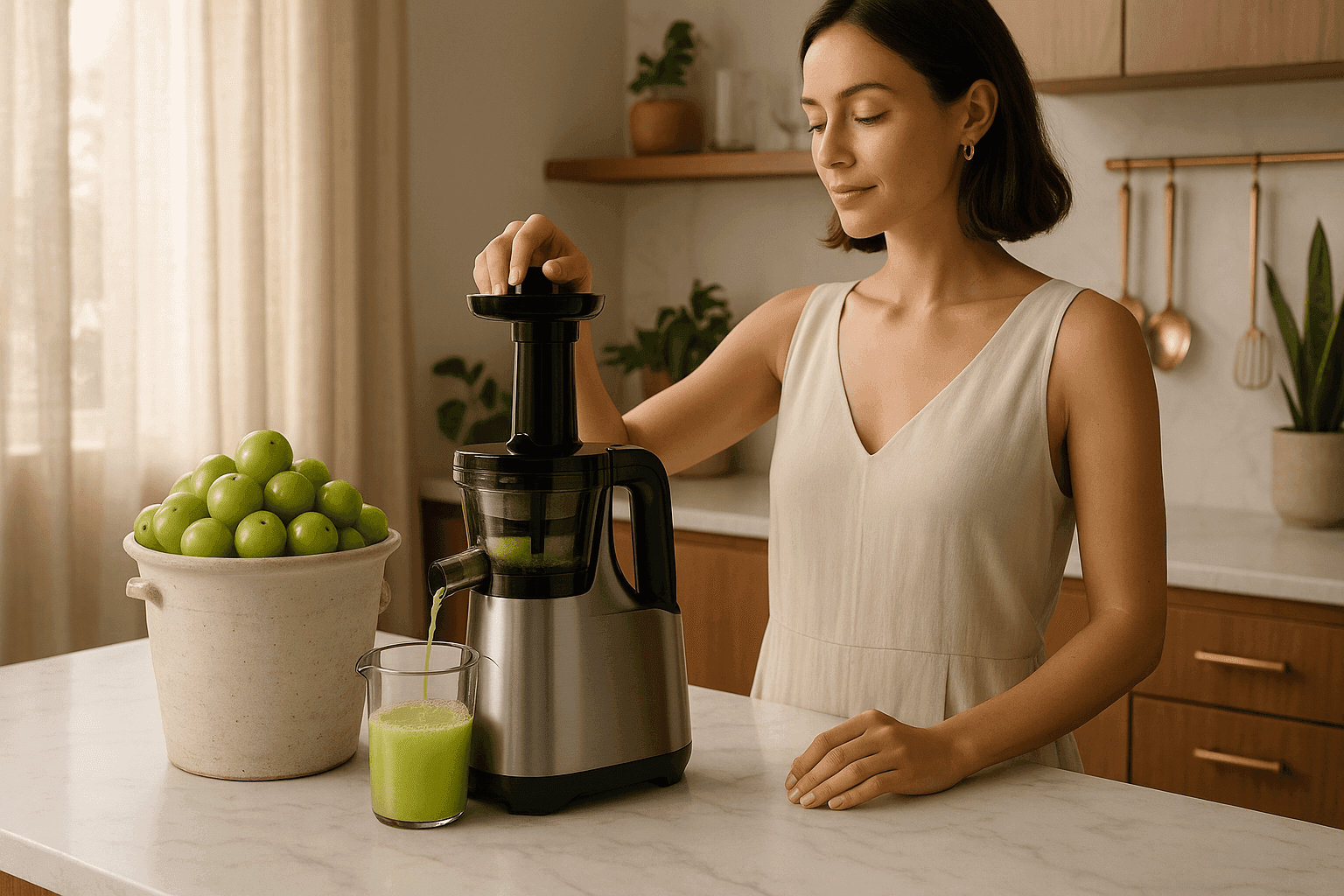
- Amla Juice (20–30 ml on empty stomach):
- Supports gut health and liver function
- Capsules or Tablets:
- Ideal for consistent dosing
- Amla Powder in Honey:
- 1 tsp daily, especially helpful during detox days
Topical:
- DIY Amla Face Mask:
- Mix amla powder with rose water + a pinch of turmeric
- Apply for 15 minutes once a week
- Face Serums with Amla Extract:
- Look for serums that combine amla with niacinamide or licorice for added brightening
Tip: Always patch test when trying a new topical amla formula, especially if you have sensitive skin.
Real Stories: When Amla Starts to Show Results
Many people expect instant results with acne - but root-cause healing takes time.
Here’s a general timeline when using amla consistently:
- Week 2–3: Bowel regularity, improved energy
- Week 4–6: Reduction in new breakouts, skin feels less inflamed
- Week 8–10: Existing marks fade, oil control improves, skin appears brighter
Note: The pace of improvement depends on lifestyle, diet, and hormonal balance. For hormonal acne, amla works best alongside other adaptogens like Guduchi and Brahmi.
Closing Thoughts
Clear, healthy skin doesn’t just come from the right cream - it comes from the right system. And Amla is one of the few ingredients that works on multiple levels:
- Cleanses your blood
- Supports your liver
- Reduces inflammation
- Fades scars
- And boosts immunity
If you’ve been stuck in a cycle of flare-ups and harsh treatments, it might be time to look inward. Amla could be the simplest, most ancient solution your skin has been waiting for.
1. How does amla help reduce acne?
Amla helps acne by reducing internal inflammation, supporting liver detoxification, improving digestion, and neutralising oxidative stress that contributes to breakouts.
2. What does “blood purification” mean for acne?
Blood purification refers to reducing inflammatory toxins, hormonal byproducts, and metabolic waste in circulation that can trigger acne when released through the skin.
3. Is amla effective for hormonal or cystic acne?
Yes. Amla helps regulate inflammation and insulin response and supports liver function, making it especially useful for hormonal and stress-related acne when used consistently.
4. How long does amla take to show results for acne?
Most people notice reduced inflammation and fewer breakouts within 4–6 weeks, with visible improvement in marks and skin clarity after 8–10 weeks of regular use.
5. Can amla be used both internally and topically for acne?
Yes. Internal use supports detox and inflammation control, while topical amla helps fade pigmentation, strengthen antioxidant defence, and calm irritated skin.
Editorial Standards
Clear Ritual has Strict sourcing guidelines to ensure our content is accurate and current. We rely on peer-reviewed studies, academic research institutions, and medical associations. We strive to use primary sources and refrain from using tertiary references. See a mistake? Learn More about our Editorial Standards.



