




Sunscreen and Pimples: Can SPF Cause Breakouts?
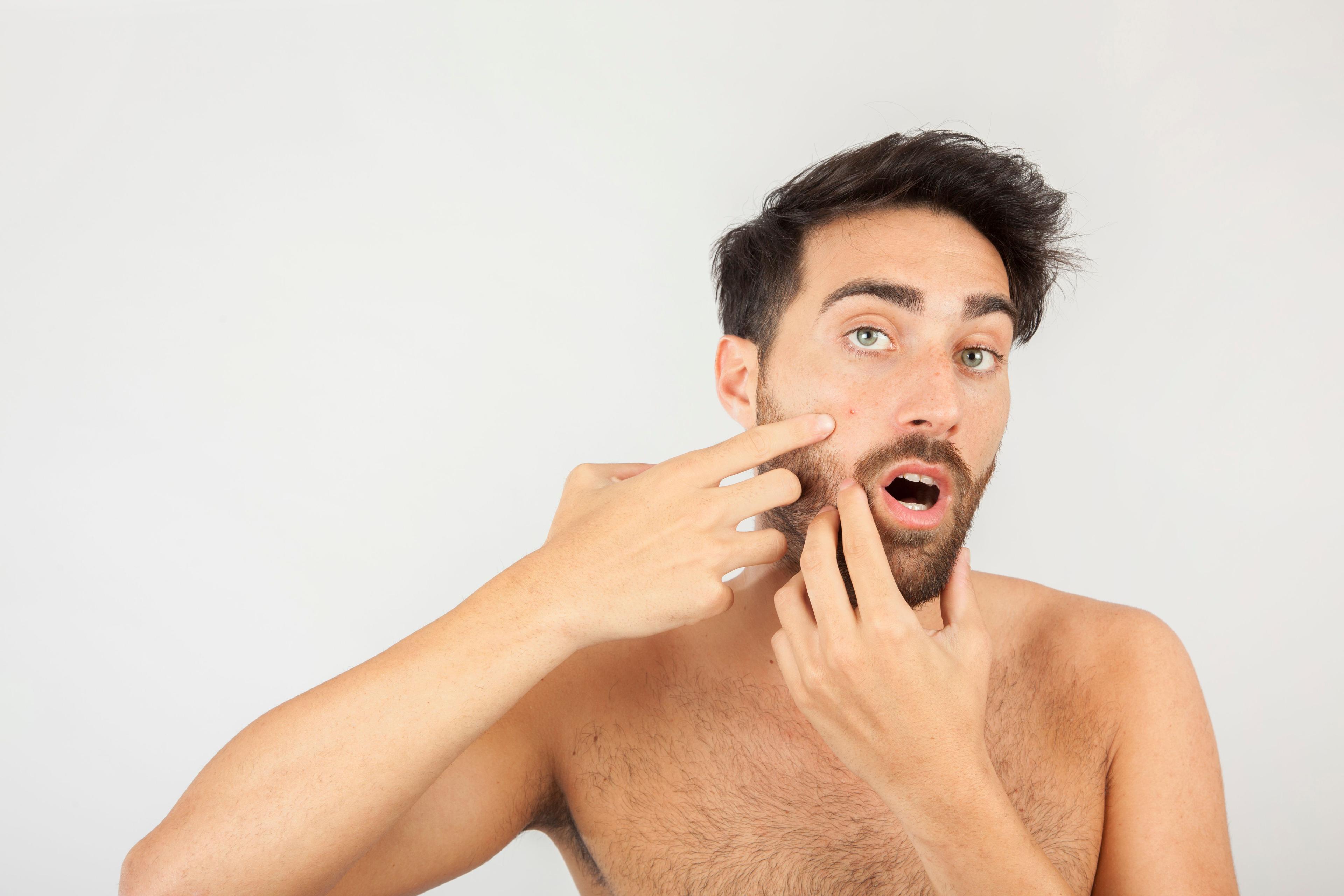
Yes, some sunscreens can trigger breakouts, especially if they contain heavy oils, thick silicones, or pore-clogging filters. When these ingredients sit on the skin's surface, they can trap sebum and dead cells inside pores, creating an environment where acne-causing bacteria thrive and inflammation develops.
Key Takeaways:
- Certain sunscreen ingredients can clog pores and cause breakouts
- Thick, oil-based formulas are more likely to trigger acne than lightweight, non-comedogenic options
- Chemical and mineral sunscreens affect skin differently
- Proper application and removal matter as much as the formula itself
- You can protect your skin from UV damage without sacrificing clear skin
Why Sunscreen Sometimes Triggers Breakouts
Your skin needs sun protection, but not all sunscreens work the same way on acne-prone skin. The issue is not sunscreen itself but how certain formulas interact with your skin's natural oil production and pore structure.
Sunscreen sits on the skin's surface to absorb or reflect UV rays. When formulas contain thick emollients or occlusive ingredients, they create a barrier that prevents sebum from moving naturally out of pores. This trapped oil mixes with dead skin cells and creates a plug. Once oxygen cannot reach inside the pore, anaerobic bacteria multiply rapidly, triggering the inflammatory response you see as red, swollen pimples.
Some sunscreen filters also generate free radicals when exposed to UV light, which can irritate sensitive skin and worsen existing inflammation. This reaction increases skin cell turnover, which sounds helpful but actually floods pores with more dead cells when the skin barrier is already compromised.
Understanding Comedogenic Ingredients
Comedogenic means an ingredient has the potential to clog pores. The comedogenic rating system ranks ingredients from 0 to 5, with 0 being non-pore-clogging and 5 being highly likely to cause blockages.
Common comedogenic ingredients in sunscreen include coconut oil, cocoa butter, isopropyl myristate, and certain silicones like dimethicone when used in high concentrations. These create an occlusive film that feels moisturizing but prevents normal sebum flow in people with naturally oily or combination skin.
Your sebaceous glands produce oil continuously. When that oil cannot exit through the pore opening, pressure builds underneath. The follicle wall stretches and eventually ruptures, spilling bacteria and inflammatory compounds into surrounding tissue. This is why comedogenic sunscreens often cause deep, painful breakouts rather than surface whiteheads.
Chemical Versus Mineral Sunscreen Filters
Chemical sunscreens use organic compounds like avobenzone, octinoxate, or oxybenzone that absorb UV radiation and convert it to heat. These filters penetrate the upper layers of skin to work effectively. For some people, this absorption triggers sensitivity reactions that look like acne but are actually contact dermatitis or rosacea flares.
Chemical filters also require additional stabilizers and solvents to remain effective, which increases the ingredient count. More ingredients mean more potential irritants, especially for skin already dealing with barrier damage or inflammation.
Mineral sunscreens use zinc oxide or titanium dioxide to physically block UV rays. These particles sit on the skin's surface and reflect light away. Because they do not penetrate, they cause fewer sensitivity reactions. However, older mineral formulas used large particles that left a white cast and required thick, paste-like textures to spread. These heavy formulas absolutely clog pores.
Modern mineral sunscreens use micronized particles that blend better and feel lighter, but the coating agents used to prevent clumping can still be comedogenic if your skin produces excess oil.
How Application and Removal Affect Breakouts
Even non-comedogenic sunscreen can cause breakouts if you apply too much or fail to remove it completely. Sunscreen is designed to be water-resistant, which means regular cleansing sometimes is not enough to break down the formula.
When sunscreen residue accumulates over days, it mixes with sweat, environmental pollution, and your skin's natural oils. This combination creates a thick film that suffocates pores and disrupts the skin's microbiome. Beneficial bacteria that normally keep acne-causing strains in check get overwhelmed, allowing Cutibacterium acnes to dominate.
Double cleansing helps remove sunscreen completely. An oil-based cleanser first dissolves the sunscreen film, then a water-based cleanser removes any remaining residue along with sweat and excess sebum. Skipping this step leaves invisible sunscreen particles that accumulate in pore openings.
Applying sunscreen over dirty skin or without allowing previous skincare products to absorb fully also increases breakout risk. Layering products too quickly traps active ingredients and creates a barrier that prevents transepidermal water loss regulation, which your skin needs for normal cell turnover.
Identifying Your Sunscreen Trigger
If you notice breakouts appearing a few days after starting a new sunscreen, the formula likely does not match your skin type. Pay attention to where pimples develop. Breakouts concentrated on the forehead, nose, and chin suggest the sunscreen is too heavy for your T-zone oil production. Jawline and cheek breakouts might indicate sensitivity to specific chemical filters rather than clogged pores.
Check the ingredient list for these common culprits:
| Ingredient Type | Examples | Why They Cause Breakouts |
|---|---|---|
| Heavy oils | Coconut oil, palm oil | Create an occlusive barrier that traps sebum |
| Fatty alcohols | Cetyl alcohol, stearyl alcohol | Thicken formulas and may congest pores |
| Silicones | Dimethicone (high concentration) | Form a film that may interfere with normal sebum flow |
| Chemical filters | Octinoxate, avobenzone | May trigger irritation or inflammatory responses in sensitive skin |
| Fragrances | Synthetic or natural | Can irritate sensitive skin and worsen inflammation |
Your skin might react to one specific ingredient or a combination. This is why trial and error often feels frustrating when searching for the right sunscreen.
Choosing Sunscreen for Acne-Prone Skin
Look for labels that say "non-comedogenic," "oil-free," or "suitable for acne-prone skin." These terms indicate the formula has been tested to minimize pore-clogging potential, though they are not guarantees since everyone's skin reacts differently.
Gel-based and fluid sunscreens typically work better for oily skin than creams. They contain more water and fewer emollients, so they dry down to a lighter finish without leaving residue. Alcohol in the formula helps the product spread easily and evaporate quickly, though too much alcohol can dry out your skin and trigger rebound oil production.
Mineral sunscreens with zinc oxide often help acne-prone skin because zinc has anti-inflammatory properties that calm existing breakouts while protecting from UV damage. However, you need a formula designed for daily wear, not a thick beach sunscreen.
Chemical sunscreens can work if you choose modern filters like Tinosorb S or Uvinal A Plus, which are more stable and require fewer additional ingredients. These newer filters provide broad-spectrum protection without the sensitivity issues of older chemical options.
Whatever formula you choose, SPF 30 provides adequate protection for daily use. Higher SPF numbers require more active ingredients to achieve, which increases the risk of pore-clogging or irritation without significantly better protection.
Common Mistakes That Worsen Sunscreen Breakouts
Using too little sunscreen compromises UV protection, but using too much can suffocate your skin. The recommended amount is one-quarter teaspoon for the face, but this guideline assumes a lightweight formula. Thick creams require less volume to achieve coverage.
Reapplying sunscreen throughout the day is necessary for continued protection, but layering applications without blotting excess oil first traps debris in pores. If your skin feels greasy by midday, use blotting papers to remove surface oil before reapplying sunscreen.
Mixing sunscreen with makeup or moisturizer dilutes the SPF and changes how the formula sits on your skin. Sunscreen works best when applied as a separate layer after your skincare absorbs and before makeup application.
Skipping sunscreen completely because it causes breakouts leaves your skin vulnerable to UV damage, which actually worsens acne over time. UV exposure triggers inflammation, increases post-inflammatory hyperpigmentation, and breaks down collagen that keeps pores tight and refined.
The Role of Skin Barrier Health
A compromised skin barrier makes you more susceptible to sunscreen breakouts. When the lipid barrier is damaged from over-washing, harsh acne treatments, or environmental stress, your skin cannot regulate sebum production or protect against ingredient penetration properly.
Transepidermal water loss increases when the barrier is weak, which signals your sebaceous glands to produce more oil to compensate. This excess sebum combines with any occlusive sunscreen ingredients to create the perfect environment for clogged pores.
Barrier damage also allows irritating ingredients to penetrate deeper than they should, triggering inflammatory responses that look like acne but are actually sensitivity reactions. These bumps often feel itchy or burning, unlike typical acne which is tender when pressed.
Supporting your barrier with gentle cleansing, adequate hydration, and barrier-repair ingredients helps your skin tolerate sunscreen better. When your barrier functions properly, your skin can handle a wider range of formulas without breaking out.
Environmental Factors That Amplify Problems
Humidity makes sunscreen feel heavier and increases sweating, which dilutes the formula and causes it to migrate into pores. In humid climates, lighter gel or serum sunscreens work better than creams.
Pollution particles stick to sunscreen films on your skin's surface. These particles carry free radicals that damage skin cells and trigger inflammation. In urban environments, thorough evening cleansing becomes even more critical to prevent buildup.
Mask-wearing creates a warm, humid environment that softens sunscreen and pushes it into pores through constant friction. This mechanical pressure combined with trapped moisture explains the surge in "maskne" that worsens when people apply heavy sunscreen under masks.
Exercise while wearing sunscreen causes similar issues. Sweat dilutes and spreads the formula, carrying it into pores that open wider from heat. If you exercise outdoors, choose a sport-specific sunscreen designed to stay in place despite sweating, then cleanse immediately afterward.
When to Seek Professional Help
If you have tried multiple non-comedogenic sunscreens and still experience breakouts, consult a dermatologist. You might have an underlying condition like rosacea, perioral dermatitis, or fungal acne that reacts to sunscreen differently than typical acne.
Persistent breakouts that worsen despite proper sunscreen selection might indicate that sun protection is not the primary trigger. Hormonal fluctuations, dietary factors, stress hormones like cortisol, or medication side effects could be the root cause while sunscreen simply aggravates already compromised skin.
A dermatologist can patch test specific ingredients to identify exactly what triggers your reaction. They can also recommend prescription treatments that strengthen your skin barrier and reduce oil production, making it easier to tolerate necessary sun protection.
Severe burning, swelling, or rash after sunscreen application requires immediate professional evaluation. These symptoms suggest allergic contact dermatitis rather than acne, which needs different treatment.
Understanding Internal Triggers: Clear Ritual's Perspective
Sunscreen breakouts often reveal that your skin is reacting to multiple stressors simultaneously. While choosing the right formula matters, persistent acne typically involves deeper triggers like hormonal imbalances, inflammatory responses, compromised barrier function, and microbiome disruption. Switching products addresses surface symptoms but may not resolve why your skin became reactive in the first place.
At Clear Ritual, we combine the best of three worlds - Ayurveda, modern dermatology, and advanced skin science - to understand individual triggers through a structured Clear Ritual Skin Test. This approach examines patterns in your breakouts, oil production, inflammatory markers, and lifestyle factors that influence how your skin responds to external products. Understanding these connections helps identify which sunscreen ingredients your specific skin can tolerate and which internal factors need support for long-term stability.
Frequently Asked Questions
Can sunscreen cause breakouts even if it says non-comedogenic?
Yes, non-comedogenic labels indicate lower risk but not zero risk. Individual skin varies in how it responds to ingredients. What clogs pores for one person might work perfectly for another based on oil production levels, pore size, barrier health, and existing skin conditions.
How long does it take for sunscreen to cause breakouts?
Most people notice breakouts within three to seven days of using a pore-clogging sunscreen. Chemical reactions or sensitivity issues might appear within 24 hours. Deep cystic breakouts from trapped sebum take longer to develop, sometimes up to two weeks.
Should I stop using sunscreen if it causes pimples?
Never skip sunscreen entirely. UV damage worsens acne, causes dark spots, and increases skin cancer risk. Instead, switch to a different formula designed for acne-prone skin. Try gel-based or mineral options, and ensure you remove sunscreen completely each evening.
Do mineral sunscreens cause fewer breakouts than chemical ones?
Generally yes, because mineral filters sit on the surface rather than absorbing into skin. However, old mineral formulas with thick textures can clog pores. Modern lightweight mineral sunscreens with micronized zinc oxide typically work best for acne-prone skin.
Can I use acne treatment and sunscreen together?
Yes, but apply them correctly. Use acne treatments on clean skin, wait for complete absorption, then apply sunscreen as the final step. Many acne ingredients increase sun sensitivity, making sunscreen even more important. Choose a sunscreen that will not interfere with your treatment.
Why does my sunscreen cause whiteheads but not cystic acne?
Whiteheads form when pores get blocked near the surface with a thin layer of skin over them. This happens when sunscreen sits on top of your skin and clogs openings without penetrating deeper. It indicates your formula is too heavy or you need better removal at night.
Does sweating with sunscreen on cause more breakouts?
Yes, sweat dilutes sunscreen and carries it into pores that expand from heat. The mixture of sweat, oil, and sunscreen creates an ideal environment for bacteria. Cleanse immediately after sweating, or choose sport sunscreens designed to resist water and sweat without migrating.
How can I tell if my breakouts are from sunscreen or something else?
Track when and where breakouts appear. Sunscreen-related breakouts concentrate in areas where you apply it and develop within days of starting a new product. If breakouts continue in the same pattern with multiple sunscreens, or appear in areas you do not apply sunscreen, other triggers are likely involved.
Editorial Standards
Clear Ritual has Strict sourcing guidelines to ensure our content is accurate and current. We rely on peer-reviewed studies, academic research institutions, and medical associations. We strive to use primary sources and refrain from using tertiary references. See a mistake? Learn More about our Editorial Standards.
Related Articles
Best Face Wash for Pimples: What to Look For
Published May 26, 2026
Best Ingredients to Treat Pimples (Salicylic Acid, Benzoyl Peroxide, etc.)
Published June 7, 2026
Can Air Conditioner Cause Pimples? How AC Affects Your Skin
Published May 26, 2026
Can Dandruff Cause Pimples on Forehead?
Published May 26, 2026



