How Skin Type Affects Acne: Everything You Need to Know
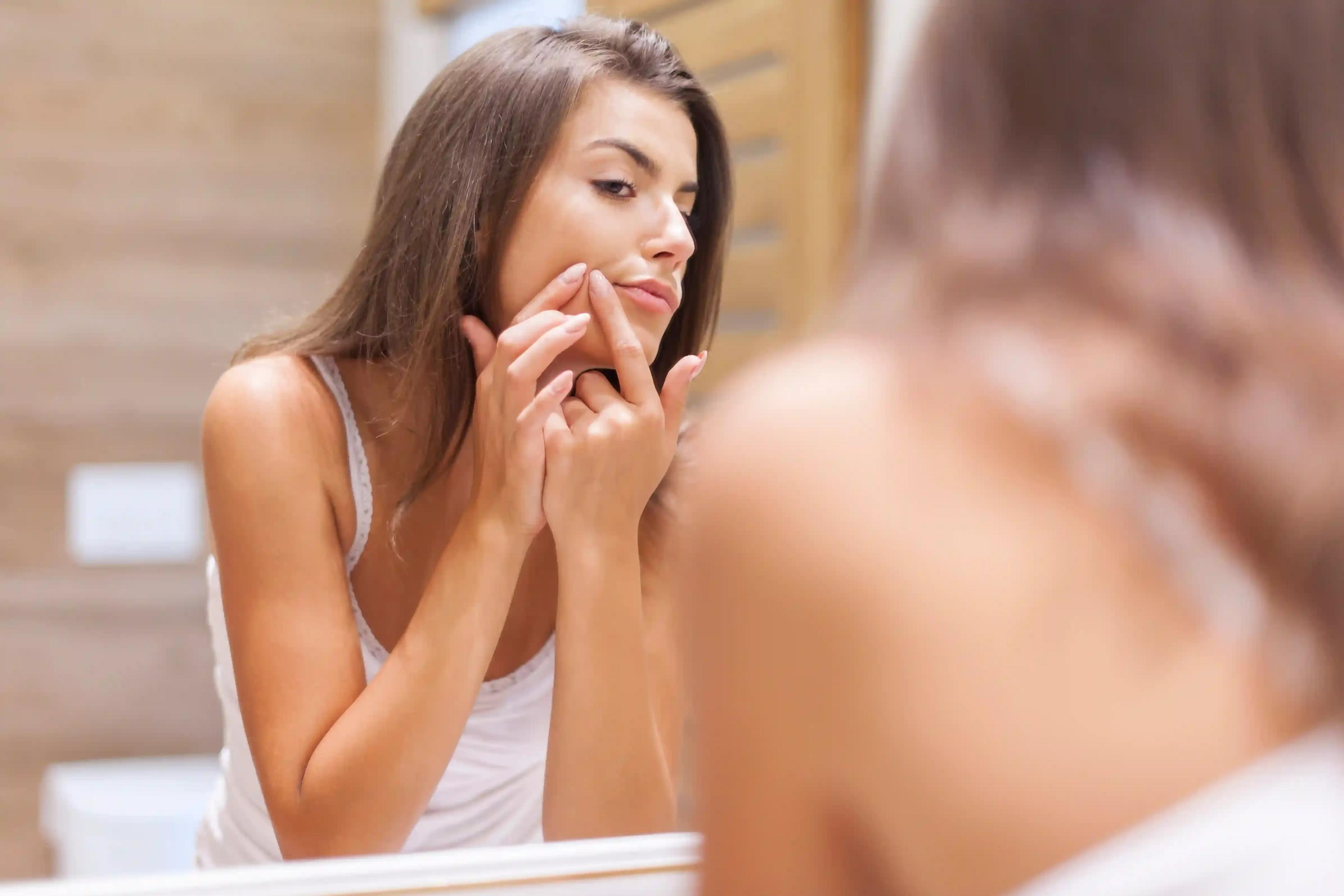
How skin type affects acne varies from person to person. Each skin type has its own acne triggers. Oily skin type is an acne-prone skin type due to excess sebum production. Dry skin type is prone to acne due to dehydration and irritation. A combination skin type is a mixture of both oily and dry skin. The T-zone of the face is usually oily, which can cause breakouts, while other areas can develop acne due to dead skin cells forming on flaky cheeks.
You might think breakouts can only happen to oily skin, but the truth is far from that. From oily skin and combination skin to dry and sensitive skin, every skin type reacts differently to acne. Once you know how each one reacts to acne, you will be able to find the right treatment and fix your skin issue effortlessly. This article will help you understand the differences between all the skin types, along with how skin type affects acne.
Different Skin Types and How They Affect Acne
Not every acne-prone skin type looks and behaves the same way. Acne on oily skin will have different trigger points than on dry, sensitive, or combination skin. Here is the detailed information on different skin types and how they affect acne.
1. Oily Skin Type
Oily skin type is more prone to acne. In this case, acne forms due to excess oil production in the hair follicles. People with an oily skin type have larger pores, which can cause acne by trapping dirt in the pores. With this skin type, people usually get acne in areas like the nose, forehead, and chin.
2. Combination Skin Type
Combination skin is hard to manage since it is made up of both dry and oily skin. The T-zone area of the face tends to be oily, while other parts of the face are usually dry. Acne will mostly occur in the T-zone in cases where excess sebum oil is produced. The dry areas on the face tend to develop irritation, redness, pimples, and even flakes if not well moisturised.
3. Sensitive Skin
Sensitive skin type is different from other skin types. It is mainly caused by inflammation, product reaction, and environmental triggers. A few instances are harsh ingredients used in the product, or maybe weather change can also be another factor in recurring acne.
4. Dry Skin
Dry skin is as prone to acne as oily skin. Of course, it has different triggers. In the case of dry skin, when people skip their moisturiser by any chance, the body signals the sebaceous gland to produce more oil on the skin. But if the oil is produced in excess amounts, it can cause breakouts on the face. Besides this, skin flakiness is another factor that contributes to acne formation. It creates a layer of dead skin cells, which is exactly like excess oil blocking your pores, resulting in skin acne.
Acne-prone Skin Type: Common Triggers & Skincare Tips
Once you understand the different skin types, you must know about their common triggers to prevent acne from appearing. The following table explains the common triggers for each skin type in detail, along with skincare tips.
| Skin Types | Common Triggers | Treatment |
|---|---|---|
| Oily Skin | Acne is mainly caused by excess oil production and clogged pores. Hot climate, stress, hormones, and comedogenic makeup are the other reasons for acne. | Use an oil-control cleanser with salicylic acid and benzoyl peroxide. A non-comedogenic moisturiser and a clay mask, used once a week, can also help absorb excess oil. Do not overwash your face. Only twice a day. |
| Sensitive Skin | Acne on sensitive skin is caused by harsh chemicals, overexfoliation, fragrance, stress and extreme sun exposure. In rare cases, weather and environmental changes can also trigger breakouts. | Select a fragrance-free skincare product. Do not overexfoliate your skin. Use products with soothing ingredients like aloe vera and green tea extract. Apply sunscreen whenever needed. |
| Combination Skin | Breakouts are generally caused by blocked pores in the T-zone area. Acne can also be caused by dead skin cells accumulated on the flaky skin. A poor diet and lifestyle habits can also trigger lesions. | Use a moisturiser that has balanced ingredients to deal with oily and dry skin types together. Use a light-weight and hydrating moisturiser. Exfoliate skin twice a week only. |
| Dry Skin | Acne on dry skin is typically caused by a lack of natural oil. Flaky skin clogs pores, which leads to an acne breakout. Harsh chemical reactions on the skin can also cause acne. | Choose a chemical-free product, such as sulfate-free and paraben-free products. Use a ceramide and hyaluronic acid-based moisturiser. Keep yourself hydrated. Avoid over-exfoliating your dry skin. |
Prevention Tips for Acne-Prone Skin Type
Whether you have oily, dry, combination or sensitive skin types, the following tips work effectively to prevent acne from recurring.
- Wash your face with a mild cleanser
- Use a hydrating moisturiser
- Apply non-comedogenic makeup products
- Avoid touching your face frequently
- Avoid over-exfoliating your skin
- Control your stress through meditation and yoga
- Drink 4-5 litres of water a day
When to Consult a Dermatologist for Acne?
A skincare routine works effectively in preventing your skin breakouts from time to time. However, you must consult your dermatologist if you are dealing with any of the following conditions.
- Acne persists after following proper skincare and diet instructions
- You see blood in acne, or it's getting multiplied
- Acne leaves resistant dark spots and marks behind
Clear Ritual Perspective on Acne-Prone Skin Type
Understanding your skin type, along with the triggers that cause acne on your skin, can help you choose the right acne treatment. However, while it will help you treat your breakout on the surface, acne is more of an internal bodily issue. The main causes of acne are excess oil production and clogged pores, but it can also be caused by excessive stress, deficiencies, and poor dietary and lifestyle habits. Clear Ritual helps you identify the root cause of your breakouts and gives a personalised kit addressing your acne condition. This way, you not only fix the outer layer of your skin but also fix it internally.
Sometimes your acne can be stubborn and resistant to treatment. If your breakouts don’t seem to disappear after making dietary changes and taking over-the-counter medication, visiting your dermatologist should be your next move. Failing to visit your doctor on time may lead to a severe skin condition.
Frequently Asked Questions
Q1. Can a normal skin type have acne?
Yes. Whether your skin type is oily, combination, dry or sensitive, your skin is prone to having acne in all these categories.
Q2. Which skin type is prone to acne?
Due to excess sebum production, oily skin is the most acne-prone skin type. Other skin types are also prone to acne, but people with oily skin have the highest chance of causing breakouts.
Q3. What are the skincare habits that can worsen acne?
Avoid changing your acne treatment every week
Avoid harsh chemical skincare and haircare products
Stop sharing your makeup products with others
Always wash off your makeup before sleeping
Avoid rubbing off the sweat while or after working out
Q4. How to stop pimples from coming on the face at home?
Managing acne at home is quite difficult, especially if it’s severe. If you have mild acne, you will need to follow a strict skincare routine, and it may disappear. In the case of a severe oily skin type, you need to cut down on dairy products like cheese, along with sweet and spicy food. Also, avoid changing your acne treatment every week.
Q5. What causes acne on the face?
Acne on a normal skin type is caused by excess oil production, dead skin cells, bacteria and inflammation inside your clogged pores. Other causes of breakouts include skin dehydration, which leads to the production of oil on the skin.
Reference Links
https://my.clevelandclinic.org/health/diseases/12233-acne#prevention
https://www.niams.nih.gov/health-topics/acne
https://www.aad.org/public/diseases/acne/skin-care/habits-stop
https://www.mayoclinic.org/diseases-conditions/acne/symptoms-causes/syc-20368047
Editorial Standards
Clear Ritual has Strict sourcing guidelines to ensure our content is accurate and current. We rely on peer-reviewed studies, academic research institutions, and medical associations. We strive to use primary sources and refrain from using tertiary references. See a mistake? Learn More about our Editorial Standards.
Related Articles
Acne Prone Skin: Complete Guide to Symptoms, Causes, Triggers and Long-Term Skin Management
Published June 7, 2026
Causes of Acne Prone Skin
Published May 26, 2026
Blackheads on Different Skin Types: Custom Skincare Routines
Published June 4, 2026

How to Build an Anti-Acne Skincare Routine (Based on Your Skin Type)
Published May 26, 2026