




Scalp Pimples: Causes & Treatment Options
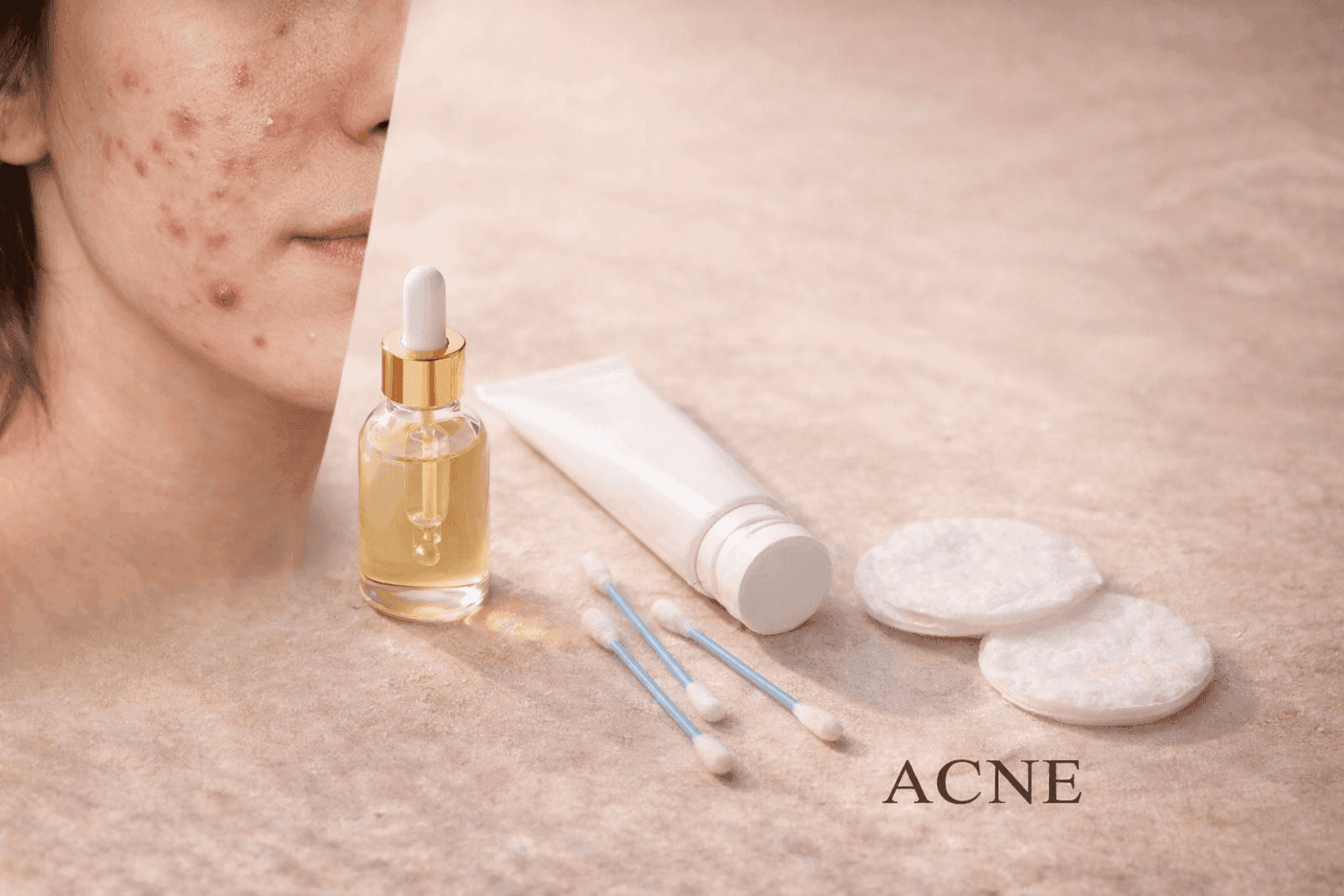
Scalp Pimples form when hair follicles become clogged with oil, dead skin cells, and bacteria, triggering inflammation beneath the skin's surface. They often appear along the hairline, crown, or back of the scalp and can feel tender or itchy, especially when touched or brushed.
Key Takeaways:
- Scalp pimples result from blocked hair follicles, excess sebum production, and bacterial overgrowth
- Sweat, hair products, and infrequent washing can worsen follicular blockages
- Inflammation occurs when the immune system responds to trapped debris and bacteria
- Most cases improve with gentle cleansing and scalp-friendly habits
- Persistent or painful scalp acne may require professional dermatological evaluation
What Are Scalp Pimples?
Scalp pimples are inflamed bumps that develop when hair follicles on the scalp become blocked. Unlike facial acne, these bumps are often hidden beneath hair, making them harder to notice until they become painful or itchy. The scalp contains thousands of hair follicles, each surrounded by sebaceous glands that produce oil to keep hair and skin moisturized. When this system becomes disrupted, pimples can form.
The scalp environment differs significantly from facial skin. It's warmer, produces more oil, and remains covered by hair most of the time. This creates conditions where sweat, product buildup, and reduced airflow can contribute to follicular blockages. Dead skin cells that normally shed away can accumulate around follicle openings, mixing with sebum and creating plugs that trap bacteria inside.
How Scalp Pimples Develop
The formation process begins when excess sebum production combines with dead skin cell buildup. Sebaceous glands attached to hair follicles secrete oil that travels up the follicle shaft to the skin surface. When this oil becomes trapped, it creates an anaerobic environment where acne-causing bacteria thrive.
Cutibacterium acnes, the primary bacteria involved in acne development, multiplies within these blocked follicles. As bacterial populations grow, the immune system detects their presence and sends white blood cells to the area. This immune response triggers inflammation, causing the characteristic redness, swelling, and tenderness associated with pimples.
The scalp's dense network of blood vessels amplifies inflammatory responses, which explains why scalp pimples can feel more painful than those on other body areas. Hair follicles on the scalp are also deeper than facial pores, meaning infections can penetrate further into the dermis layer.
Common Triggers and Contributing Factors
Understanding what provokes scalp pimples helps prevent their recurrence. Multiple factors often work together to create breakout conditions.
Excessive sebum production tops the list. Hormonal fluctuations, particularly increases in androgens, stimulate sebaceous glands to produce more oil. This happens during puberty, menstrual cycles, pregnancy, and times of stress when cortisol levels rise. Higher cortisol indirectly increases oil production and can worsen existing inflammation.
Hair products contribute significantly to follicular blockages. Heavy styling creams, pomades, oils, and leave-in conditioners contain ingredients that coat the scalp. When these products mix with natural oils and dead skin cells, they form thick plugs around follicle openings. Silicones and waxes in particular don't wash away easily, creating layers of buildup over time.
Infrequent washing allows sebum, sweat, and environmental debris to accumulate. The scalp produces oil continuously, and without regular cleansing, this oil oxidizes and becomes sticky. Dead skin cells that should shed naturally instead remain attached, contributing to blockages.
Conversely, over-washing strips the scalp of protective lipids. When the skin barrier becomes compromised, it responds by producing even more oil to compensate. This rebound effect can worsen breakouts rather than improve them. Harsh shampoos containing sulfates can disrupt the scalp's pH balance and damage the moisture barrier.
Friction and pressure from hats, helmets, or headbands trap heat and sweat against the scalp. This occlusion prevents proper airflow and creates a warm, moist environment ideal for bacterial growth. Athletes and people who wear protective headgear frequently often experience breakouts along the hairline and crown.
Diet plays a role through inflammatory pathways. High-glycemic foods cause rapid blood sugar spikes, which increase insulin levels. Elevated insulin stimulates androgen production, leading to more sebum secretion. Some research suggests dairy products may also influence hormonal pathways that affect oil production, though individual responses vary.
Sleep deprivation and stress elevate cortisol, which triggers inflammation throughout the body including the scalp. Poor sleep also impairs skin barrier repair processes that normally occur during rest periods.
Types of Scalp Pimples
Scalp acne presents in several forms, each indicating different levels of follicular involvement.
Comedones appear as small bumps that may be flesh-colored or slightly white. These represent blocked follicles filled with sebum and dead skin cells but without significant bacterial infection. They typically don't cause pain but create texture irregularities across the scalp.
Papules are small, raised, red bumps that feel tender when touched. These indicate inflammation has begun as the immune system responds to bacterial presence. The follicle wall becomes irritated but hasn't ruptured yet.
Pustules develop when white blood cells accumulate at the infection site, creating visible pus. These appear as red bumps with white or yellow centers. Pustules indicate active bacterial infection within the follicle.
Nodules form deeper in the skin when inflammation extends beyond the follicle into surrounding tissue. These feel like hard, painful lumps beneath the scalp surface and can persist for weeks. Nodules indicate more severe inflammation that may lead to scarring.
Cysts represent the most severe form, developing when infection creates pus-filled pockets deep within the dermis. Cystic scalp acne feels extremely painful and may cause temporary hair loss in affected areas. These lesions carry the highest risk for permanent scarring.
The Role of Scalp Microbiome
The scalp hosts diverse bacterial and fungal communities that maintain skin health. When this microbiome becomes imbalanced, skin problems emerge.
Malassezia, a yeast naturally present on the scalp, feeds on sebum. Under normal conditions, it exists harmlessly. However, when oil production increases, Malassezia populations can explode, triggering inflammatory responses. This fungal overgrowth contributes to conditions like seborrheic dermatitis, which often coexists with scalp acne.
Beneficial bacteria help maintain skin pH and compete with potentially harmful microbes for resources. Harsh cleansers, antibacterial products, and over-washing can disrupt these protective populations. When beneficial bacteria decline, opportunistic species proliferate, increasing infection risk.
Scalp Barrier Function
The scalp's protective barrier consists of lipids, proteins, and natural moisturizing factors that prevent water loss and keep irritants out. This barrier becomes compromised through mechanical damage, chemical exposure, and environmental stressors.
Aggressive scrubbing, rough towel-drying, and frequent heat styling damage the scalp surface. Small breaks in barrier integrity allow bacteria to penetrate more easily while also triggering inflammatory repair responses.
Chemical treatments including hair dyes, relaxers, and perms alter the scalp's pH and strip protective lipids. Repeated exposure weakens barrier function, making the scalp more reactive and prone to inflammation.
Environmental factors like dry air, cold weather, and pollution stress the scalp barrier. Particulate matter from pollution can settle on the scalp, mixing with sebum and creating additional blockages.
Early Management Approaches
Addressing scalp pimples begins with gentle, consistent scalp care that supports barrier function while managing oil and bacteria.
Regular cleansing removes excess sebum, dead skin cells, and product buildup without stripping protective lipids. Washing frequency depends on individual oil production, but most people benefit from cleansing every two to three days. Those with very oily scalps may need daily washing, while drier scalp types should extend the interval.
Choosing appropriate cleansers matters significantly. Look for sulfate-free formulas with balanced pH levels between 4.5 and 5.5. Ingredients like salicylic acid help exfoliate dead skin cells and penetrate follicles to clear blockages. Tea tree oil possesses natural antimicrobial properties that reduce bacterial populations without disrupting beneficial microbiome members.
Thorough rinsing prevents product residue from accumulating. Incomplete rinsing leaves behind conditioning agents and cleansing ingredients that can clog follicles. Spend extra time ensuring all product is completely removed, paying particular attention to the hairline and areas behind the ears.
Product selection requires careful attention. Avoid heavy styling products near the scalp, applying them only to hair lengths instead. Non-comedogenic formulas reduce blockage risk. Check ingredient lists for pore-clogging substances like coconut oil, cocoa butter, and certain silicones.
Reducing friction and occlusion helps prevent mechanical irritation. When wearing hats or helmets, choose breathable materials and take breaks to allow airflow. Wash headgear regularly to prevent bacteria transfer back to the scalp.
Managing stress through adequate sleep, regular physical activity, and relaxation practices helps regulate cortisol levels. Lower stress hormones mean less inflammatory signaling and more balanced sebum production.
Dietary adjustments may help some individuals. Reducing high-glycemic foods, increasing water intake, and eating anti-inflammatory foods rich in omega-3 fatty acids supports overall skin health. However, dietary changes alone rarely resolve scalp acne completely.
What to Avoid
Certain habits worsen scalp pimples and should be minimized or eliminated.
Picking or squeezing scalp bumps drives bacteria deeper into tissue, spreads infection to surrounding follicles, and increases scarring risk. The scalp's rich blood supply means infections can spread more easily than on other body areas.
Using dirty hair tools transfers bacteria back to the scalp. Brushes, combs, and hair ties should be cleaned weekly with soap and water or antibacterial solution.
Sharing hair accessories, hats, or towels with others can transfer bacteria and fungi that contribute to breakouts.
Applying conditioner directly to the scalp creates unnecessary buildup. Conditioners are formulated for hair shafts, not skin. Apply them from mid-length to ends only.
Using hot water during washing strips natural oils and triggers rebound oil production. Lukewarm or cool water maintains barrier integrity while still effectively cleansing.
When Professional Help Is Needed
Most scalp pimples respond to improved scalp care practices within several weeks. However, certain signs indicate the need for dermatological evaluation.
Persistent breakouts that don't improve after six to eight weeks of consistent home care may require prescription intervention. Topical antibiotics, retinoids, or specialized medicated shampoos can address issues that don't respond to over-the-counter approaches.
Painful nodules or cysts warrant professional attention to prevent scarring and hair loss. These deeper lesions may require drainage or intralesional treatments that only dermatologists can safely perform.
Hair loss in affected areas suggests inflammation has damaged follicles. Early intervention can prevent permanent follicular destruction.
Spreading infection indicated by increasing redness, warmth, swelling, or the development of fever requires immediate medical attention. Scalp infections can rarely progress to more serious conditions affecting deeper tissues.
Severe itching that disrupts sleep or daily activities may indicate additional conditions like seborrheic dermatitis, psoriasis, or fungal infections that need specific treatments.
Long-term Scalp Health Strategies
Maintaining clear, healthy scalp skin requires ongoing attention to factors that influence follicular function and inflammation.
Establishing a consistent, gentle cleansing routine prevents buildup while preserving barrier integrity. Adapt washing frequency to seasonal changes, activity levels, and styling product use.
Regular scalp exfoliation helps prevent dead skin cell accumulation. This can be achieved through chemical exfoliants like salicylic acid or gentle physical exfoliation with scalp scrubs. Limit exfoliation to once weekly to avoid over-stripping.
Protecting the scalp from sun exposure prevents UV-induced inflammation and free radical damage. Wear hats in direct sunlight or use hair products containing UV filters.
Supporting overall health through balanced nutrition, adequate hydration, quality sleep, and stress management creates conditions for optimal skin function. The scalp responds to the same health factors that affect skin elsewhere on the body.
Regular assessment of hair products ensures you're not inadvertently using pore-clogging ingredients. As formulas change and your scalp's needs evolve with age and hormones, periodic product evaluation helps maintain clear skin.
Understanding Scalp Pimples Across Different Life Stages
| Life Stage | Common Triggers | Typical Characteristics | Key Considerations | |------------|----------------|------------------------|-------------------| | Adolescence | Hormonal surges, increased sebum | Widespread across scalp | Often coincides with facial acne | | Young Adulthood | Styling products, stress | Hairline and crown focus | Product choices matter most | | Pregnancy | Hormonal fluctuations | Variable severity | May improve or worsen | | Midlife | Hormonal transitions, slower cell turnover | Occasional flares | Often improves with age |
Understanding Internal Triggers: Clear Ritual's Perspective
While improved scalp care, product changes, and lifestyle adjustments can reduce scalp pimples, these approaches may provide only temporary relief because scalp acne develops from multiple interacting factors. Hormonal fluctuations, sebum production patterns, inflammatory responses, stress levels, sleep quality, genetic predispositions, and microbiome balance all influence follicular health. Addressing surface-level symptoms without understanding individual trigger combinations often leads to recurring breakouts. Clear Ritual combines Ayurveda, modern dermatology, and advanced skin science to identify personal patterns through a structured skin assessment. This approach helps map connections between internal factors and visible scalp concerns. Understanding your specific trigger profile enables more targeted, sustainable scalp health strategies rather than trial-and-error product switching. Long-term scalp clarity comes from recognizing and addressing the root causes unique to your body's inflammatory and hormonal patterns.
Frequently Asked Questions
Can scalp pimples cause hair loss?
Mild scalp pimples typically don't cause permanent hair loss. However, severe inflammatory lesions like nodules and cysts can damage hair follicles, leading to temporary or permanent hair thinning in affected areas. Picking or aggressively treating scalp acne increases this risk. If you notice hair loss accompanying breakouts, consult a dermatologist promptly.
How do I know if my scalp bumps are pimples or something else?
Scalp pimples feel tender, may contain pus, and usually develop gradually. Other conditions like folliculitis create similar bumps but often involve multiple small pustules clustered together. Seborrheic dermatitis causes flaking and redness without distinct bumps. Psoriasis produces thick, silvery scales. A dermatologist can differentiate between these conditions through examination.
Are scalp pimples contagious?
Scalp pimples themselves aren't contagious. However, the bacteria that contribute to their formation can transfer through shared hair tools, hats, or pillowcases. While this transfer rarely causes identical breakouts in others, maintaining good hygiene practices prevents unnecessary bacterial spread.
Can shampooing too often cause scalp pimples?
Over-washing with harsh shampoos strips protective lipids, compromising barrier function and triggering rebound oil production. This can worsen breakouts rather than improve them. However, appropriate cleansing with gentle, pH-balanced products actually helps prevent pimples by removing excess oil and dead skin cells. The key is finding the right frequency and formula for your scalp type.
Do certain hairstyles contribute to scalp acne?
Tight hairstyles that pull on the scalp can irritate follicles and trap sweat and oil against the skin. Styles that cover the scalp completely reduce airflow, creating conditions for bacterial growth. Frequently changing your part line and loosening tight styles allows the scalp to breathe. Sleeping with loose hair or a loose braid reduces overnight friction.
Can diet really affect scalp pimples?
Diet influences inflammation and hormonal pathways that affect sebum production. High-glycemic foods and possibly dairy products may worsen acne in susceptible individuals through insulin and androgen responses. However, dietary changes alone rarely resolve scalp acne completely. They work best as part of a comprehensive approach including appropriate scalp care.
Is it safe to use acne treatments meant for facial skin on the scalp?
Many acne-fighting ingredients work well on the scalp, including salicylic acid, benzoyl peroxide, and tea tree oil. However, the scalp tolerates different concentrations and formulations than facial skin. Products should be designed for scalp use to avoid excessive dryness or irritation. Always patch test new treatments and avoid getting products in your eyes.
How long does it take for scalp pimples to heal?
Small pimples typically resolve within a few days to a week with proper care. Deeper lesions like nodules and cysts may take several weeks to heal completely. Consistent scalp care practices usually show improvement within four to six weeks. If breakouts persist beyond eight weeks despite appropriate home care, professional evaluation is recommended.
Editorial Standards
Clear Ritual has Strict sourcing guidelines to ensure our content is accurate and current. We rely on peer-reviewed studies, academic research institutions, and medical associations. We strive to use primary sources and refrain from using tertiary references. See a mistake? Learn More about our Editorial Standards.



