




Blackheads vs Whiteheads: What’s the Difference and How to Treat Them
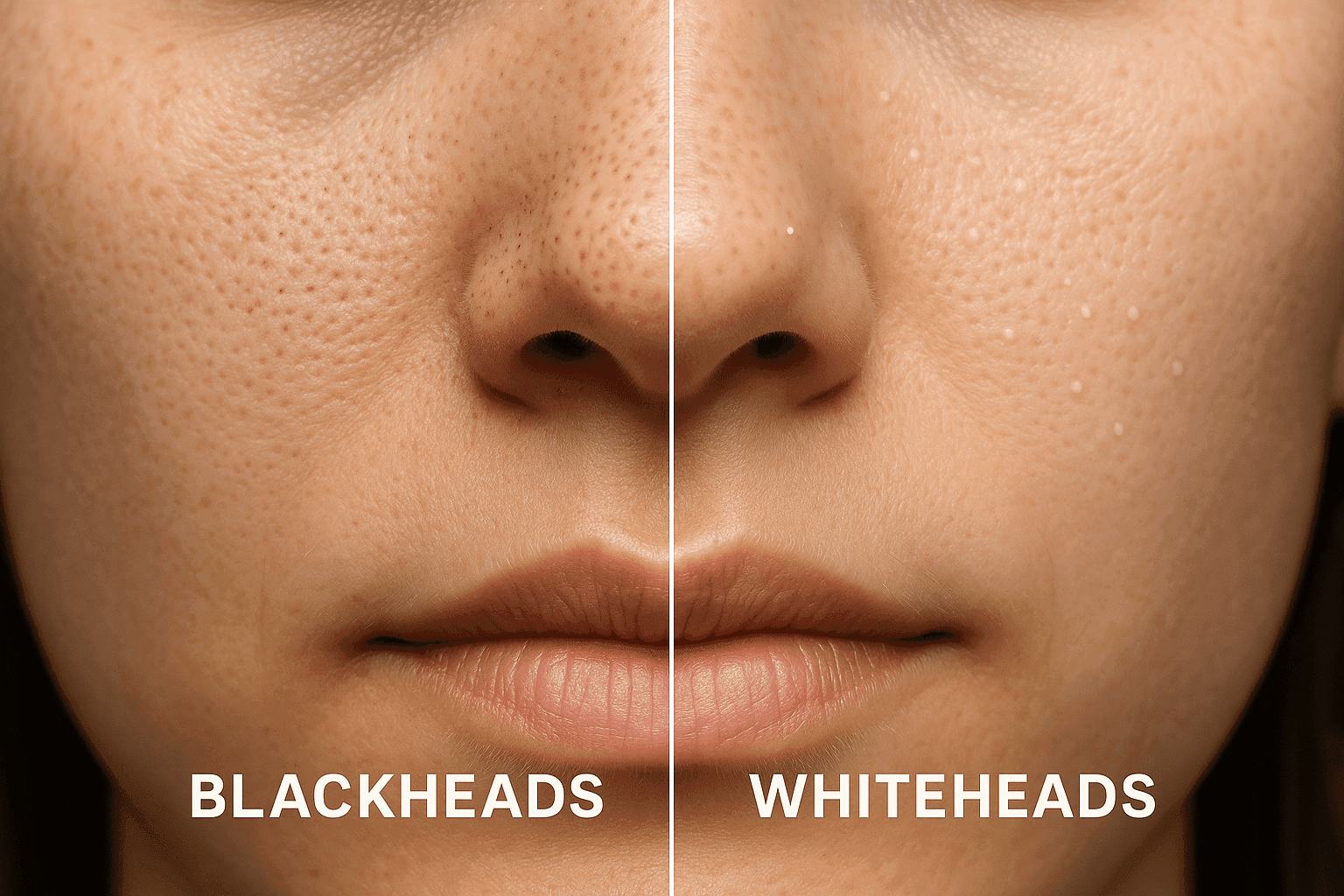
blackheads vs whiteheads: The Surface vs What’s Underneath
It’s easy to think of acne as one big category. But not all Pimples are the same - and not all bumps on your skin are actually acne. Blackheads and whiteheads are two of the most common types, and while they may look similar to the untrained eye, how they form - and how you treat them - is very different.
Blackheads are open comedones - they form when a pore gets clogged with excess oil and dead skin, but stays open to the air. The black appearance? It’s not dirt. It’s oxidation. When the trapped sebum and debris react with oxygen, they darken.
Whiteheads, on the other hand, are closed comedones. The pore is blocked, but with a thin layer of skin covering it, preventing oxidation. That’s why they stay white or flesh-toned - and often go unnoticed until they start to cluster or inflame.
| Feature | Blackheads | Whiteheads |
|---|---|---|
| Technical Name | Open Comedones | Closed Comedones |
| Appearance | Flat, dark dots | Small, raised white/flesh bumps |
| Pore | Open to air | Sealed by a thin skin layer |
| Cause of Color | Oxidation | No oxidation |
| Risk | May enlarge pores over time | May evolve into inflamed pimples |
Why Do They Even Happen?
Both blackheads and whiteheads start the same way - with clogged pores. Your skin produces oil (sebum) to stay soft and protected. But when that oil mixes with dead skin cells and isn’t cleared properly, it creates a plug.
For many people, this is where things stop. You get rough texture, tiny bumps, or that annoying nose full of dots that won’t go away. For others, this clog is just the beginning - it becomes inflamed, attracts bacteria, and turns into a full-blown pimple.
The deciding factor? Genetics, hormones, hygiene, and your overall skin barrier health.
Common Culprits Behind the Clog
Let’s make one thing clear: acne is not caused by dirty skin. But certain habits and triggers can tip your skin into a more acne-prone state.
Here’s what typically causes blackheads and whiteheads to show up - or get worse:
-
Hormonal changes (especially during puberty, periods, or PCOS)
-
Overproduction of oil - common in oily or combo skin types
-
Poor exfoliation - buildup of dead skin cells traps oil inside pores
-
Thick or comedogenic products - including makeup, sunscreen, oils
-
Sweat + humidity - increased sebum + dirt = clogged pores
-
Inconsistent cleansing - not washing off sunscreen or pollution at night
-
Stress - increases cortisol, which can trigger oil production
How to Treat Blackheads and Whiteheads (The Right Way)
Most people jump straight to harsh scrubs or nose strips. But effective acne management isn’t about aggressive removal - it’s about clearing blockages gently, preventing new ones, and keeping your barrier calm.
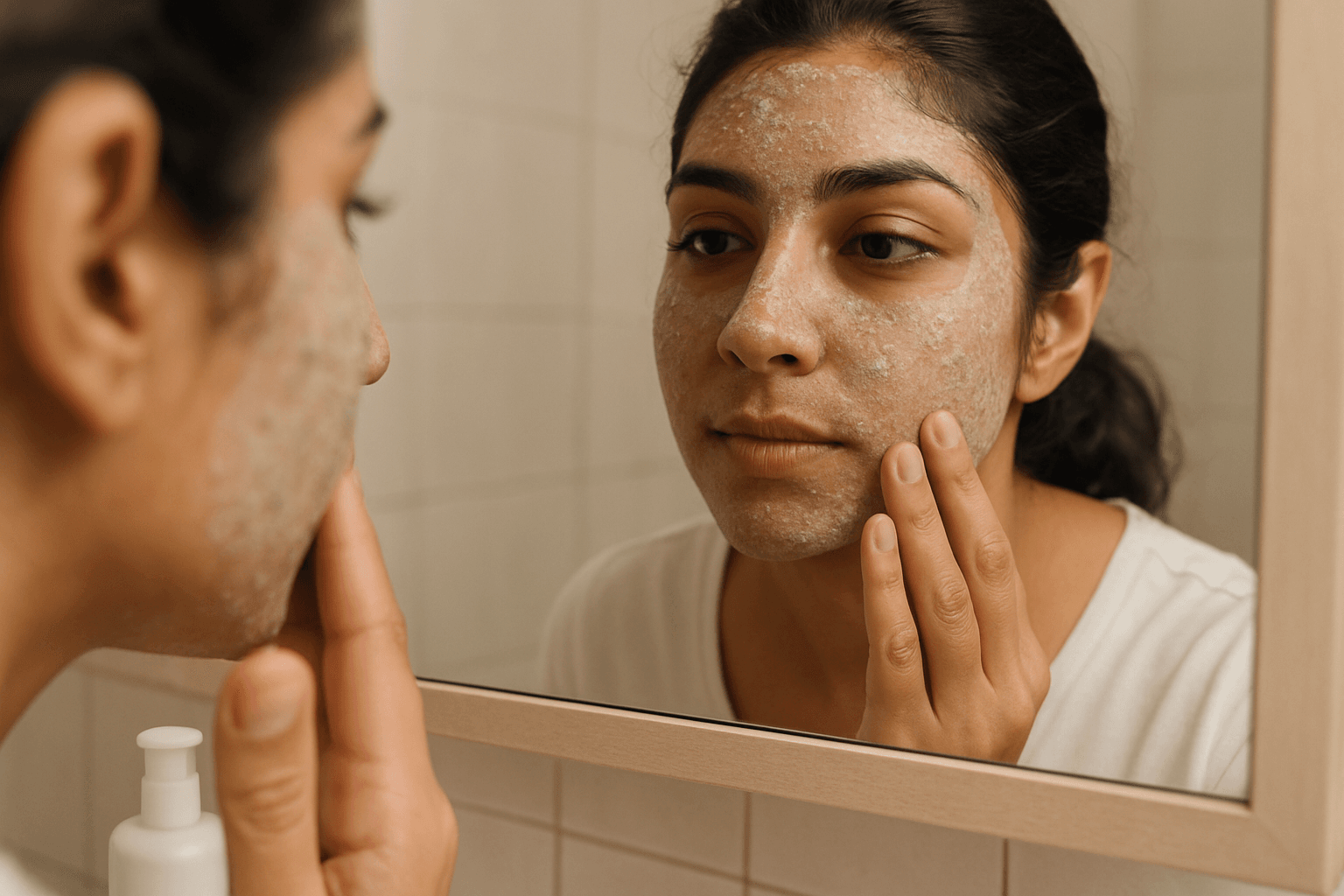
Step 1: Start with a Proper Cleanser
Forget squeaky clean. That stripped feeling? It means your barrier just took a hit. Look for a pH-balanced, sulfate-free cleanser that removes excess oil without drying out your skin.
Use it twice daily - morning and night - and always after sweating.
Step 2: Bring in the Right Actives
This is where skincare starts doing the heavy lifting. You don’t need a dozen serums - just the right ones, at the right strength.
| Ingredient | What It Does | Ideal For |
|---|---|---|
| Salicylic Acid (BHA) | Penetrates oil, clears pores from inside | Both |
| Niacinamide | Regulates oil, soothes skin | Both |
| Retinoids | Boosts skin cell turnover, clears persistent bumps | Whiteheads + stubborn blackheads |
| Azelaic Acid | Anti-inflammatory and mildly exfoliating | Sensitive skin |
You don’t need all of these at once. A well-balanced routine usually includes 1–2 actives, layered with soothing ingredients to avoid irritation.
Step 3: Don’t Skip Exfoliation - But Be Smart
Your skin naturally sheds cells, but with age, stress, and environmental factors, that process slows down. This is where chemical exfoliants help.
-
Use a BHA (like 1–2% salicylic acid) 2–3x a week to deep-clean pores
-
Avoid physical scrubs - they create microtears and push debris deeper
-
Pair with a calming serum or barrier-repair moisturizer to balance
Step 4: Moisturize Even If You’re Oily
Yes, oily skin still needs moisture. In fact, skipping this step can make acne worse.
A well-formulated moisturizer:
-
Hydrates without clogging
-
Supports skin barrier recovery
-
Balances oil production
Look for ingredients like ceramides, panthenol, glycerin, and avoid rich, balmy textures unless your skin is severely dry.
Step 5: Wear Sunscreen Every Day
You’ve heard it before - but it’s more important than you think.
Sunscreen protects your skin while using actives (like retinoids or acids), prevents post-acne pigmentation, and keeps your barrier resilient.
Choose:
-
Gel-based or matte-finish SPF 30+
-
Non-comedogenic formulas
-
Lightweight textures that layer well
Clear Ritual’s Acne Philosophy: Less Noise, More Results
Most people treat acne like a problem to be attacked. At Clear Ritual, we treat it like a signal - one that tells us your skin is trying to balance itself out.
Instead of bombarding your skin with too many actives, our approach is about:
-
Building a simple, sustainable routine
-
Using low-strength actives that actually get used consistently
-
Supporting your barrier while treating acne
-
Offering customised care based on your acne pattern
Want to know what type of acne you’re dealing with? [Take the Skin Test] - and get a Clear Ritual plan made for your skin.
Quick Recap: Blackheads vs Whiteheads
| Blackheads | Whiteheads | |
|---|---|---|
| Pore Status | Open | Closed |
| Appearance | Flat, dark dots | Small, white bumps |
| Risk | Can stretch pores over time | May become inflamed |
| Treatment | BHA, niacinamide, retinoids | Retinoids, exfoliation, gentle care |
| Key Rule | Don’t extract them harshly | Don’t pop or pick |
FAQs: Blackheads & Whiteheads
- What’s the main difference between a blackhead and a whitehead?
Blackheads are open comedones, meaning the pore is open and the trapped oil oxidizes, turning dark. Whiteheads are closed comedones where the pore is sealed by skin, so the clog stays white or flesh-toned.
- Can blackheads or whiteheads turn into pimples?
Yes. While many clogged pores stay as non-inflamed bumps, they can become inflamed when bacteria multiply inside the pore—especially whiteheads, which are trapped beneath the skin.
- Should I squeeze or extract blackheads and whiteheads?
It’s best not to squeeze them. Improper extraction can stretch pores, worsen inflammation, or lead to scarring. Gentle exfoliation and the right actives (like BHA or retinoids) are safer and more effective.
- What skincare ingredients work best for treating them?
For both types, salicylic acid (BHA) is the most effective at clearing oil inside pores. Niacinamide helps regulate oil, while retinoids boost cell turnover—especially helpful for whiteheads and stubborn blackheads. Azelaic acid is a good option for sensitive skin.
- Why do I still get blackheads or whiteheads even if I clean my face daily?
Acne isn’t caused by “dirty skin.” Factors like hormones, excess oil production, comedogenic products, poor exfoliation, humidity, and stress all contribute to clogged pores—even with consistent cleansing.
Editorial Standards
Hims & Hers has Strict sourcing guidelines to ensure our content is accurate and current. We rely on peer-reviewed studies, academic research institutions, and medical associations. We strive to use primary sources and refrain from using tertiary references. See a mistake? Learn More about our Editorial Standards.



