




Comedonal Acne on the Back
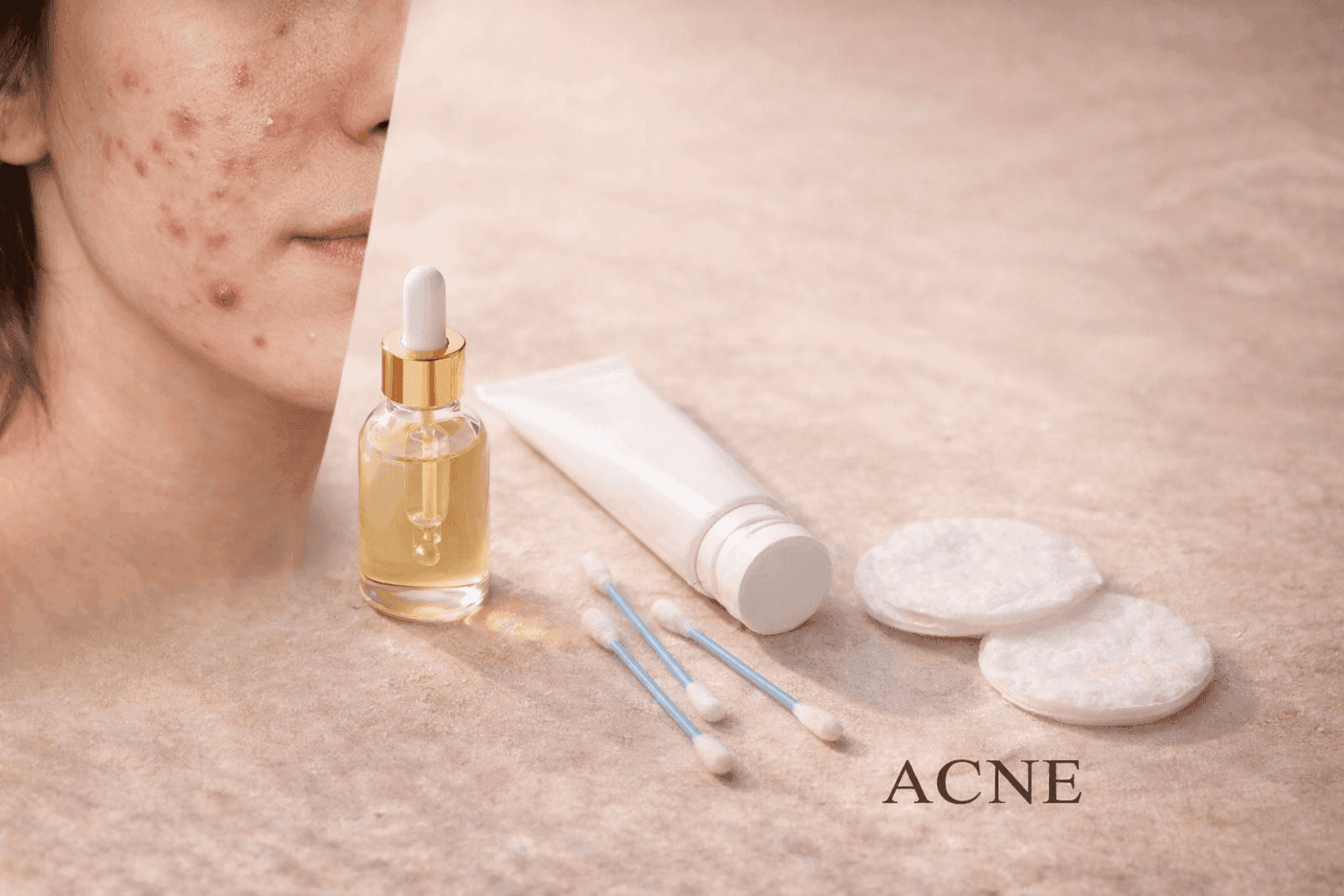
Comedonal acne on the back appears as small, flesh-colored or slightly raised bumps that feel rough to the touch. These comedones form when dead skin cells and sebum accumulate inside hair follicles, creating plugs that block the pores without the inflammation seen in typical Pimples.
Key Takeaways:
- Back comedones develop from trapped sebum and skin cells in follicles
- The back's thick skin and high oil gland density make it prone to clogged pores
- Friction, sweat, and occlusion from clothing worsen comedone formation
- Non-inflammatory comedones can progress to inflamed acne if bacteria proliferate
- Consistent exfoliation and pore-clearing routines help manage the condition
What Comedonal Acne Actually Is
Comedonal acne represents the earliest stage of acne formation. Unlike inflamed pimples that appear red and painful, comedones are non-inflammatory blockages within the follicle. When you run your hand across your upper back or shoulders, these bumps create a sandpaper-like texture that many people notice during showering or when wearing fitted clothing.
The back harbors a higher concentration of sebaceous glands compared to many other body areas. These glands produce sebum continuously, and when this oil mixes with dead skin cells that haven't shed properly, the combination creates a plug within the follicle opening. Closed comedones, commonly called whiteheads, remain beneath the skin surface. Open comedones, or blackheads, have exposed tips that oxidize and darken when exposed to air.
Why the Back Develops Comedones
The skin on your back differs significantly from facial skin in several ways that make it particularly susceptible to comedone formation. The epidermis is thicker, which means the natural shedding process takes longer. Dead cells accumulate more readily before they're shed, increasing the likelihood of follicular blockages.
Sebaceous gland activity on the back rivals that of the face, especially across the upper back, shoulders, and along the spine. These glands respond to androgens, hormones that fluctuate throughout life during puberty, menstrual cycles, stress periods, and hormonal transitions. When androgen levels rise, sebum production increases, providing more material to clog pores.
The back also experiences constant friction and occlusion that facial skin typically avoids. Tight clothing, backpack straps, sports equipment, and even chair backs create pressure against the skin. This mechanical friction pushes dead cells and sebum deeper into follicles while simultaneously triggering mild inflammation that thickens the follicle lining, narrowing the opening further.
How Sweat and Heat Contribute
Physical activity and warm environments increase sweating, which temporarily hydrates the outer skin layer. While this sounds beneficial, sweat that remains on the skin for extended periods creates a humid environment where skin cells swell and soften. This swelling can actually compress follicle openings, trapping contents inside rather than allowing them to surface and clear naturally.
Synthetic fabrics that don't breathe well trap heat and moisture against the skin, creating an occlusive barrier. This environment not only keeps sweat in contact with skin longer but also prevents the natural evaporation that would otherwise cool and dry the skin surface. The result is prolonged follicular hydration that makes blockages more likely.
Exercise clothing, sports bras, and athletic gear worn for hours during training sessions compound this issue. Even after you finish exercising, if you don't shower and change immediately, the combination of dried sweat, sebum, and fabric friction continues affecting your pores.
The Role of Hair and Follicle Structure
Back skin contains vellus hairs - fine, short hairs that cover most of the body - and in some areas, particularly on men, terminal hairs that are thicker and longer. Each hair follicle serves as a potential site for comedone formation. The follicle acts as a reservoir where sebum travels from the gland to the skin surface. When this pathway becomes obstructed, the reservoir fills but cannot empty.
The angle and depth of these follicles also matter. Back follicles tend to be deeper than facial follicles, which means blockages form further beneath the skin surface. This depth makes them harder to address with surface treatments and explains why back comedones often feel more embedded than facial blackheads.
Skincare Habits That Worsen Comedones
Many people focus skincare attention on their face while neglecting their back entirely, or they make the opposite mistake of over-treating it with harsh products. Both approaches create problems.
Infrequent cleansing allows sebum, sweat, and dead cells to accumulate throughout the day. However, aggressive scrubbing with rough loofahs or brushes can traumatize the skin, triggering a protective response where the skin actually thickens and produces more oil to compensate for what's been stripped away. This rebound effect worsens comedone formation rather than preventing it.
Heavy body lotions, sunscreens, and oils that contain comedogenic ingredients can layer additional pore-clogging substances onto already congested skin. Ingredients like coconut oil, cocoa butter, and certain silicones sit on the skin surface and within follicles, mixing with existing sebum to create more stubborn blockages.
Hair care products present another often-overlooked trigger. Conditioners, leave-in treatments, and styling products that run down your back during showering or throughout the day contain conditioning agents and silicones designed to coat hair shafts. These same ingredients coat your back skin and settle into follicles, particularly along the upper back and shoulders where product contact is greatest.
Lifestyle Factors and Internal Influences
Sleep deprivation affects skin cell turnover rates and sebum quality. During deep sleep stages, the body prioritizes cellular repair and regeneration. When you consistently sleep fewer than seven hours, this renewal process becomes incomplete. Dead cells accumulate on the skin surface longer, and sebum composition may become thicker and more likely to solidify within follicles.
Stress activates the hypothalamic-pituitary-adrenal axis, releasing cortisol and related hormones. These stress hormones stimulate sebaceous glands to produce more sebum while simultaneously triggering low-grade inflammation throughout the body, including within skin tissue. Chronic stress creates a continuous cycle of increased oil production and impaired skin barrier function.
Dietary patterns influence skin behavior through multiple pathways. High glycemic foods cause rapid blood sugar spikes, which trigger insulin release. Insulin stimulates androgen production, which then increases sebum synthesis. This cascade means that frequent consumption of refined carbohydrates and sugars can directly amplify the oil production that feeds comedone formation.
Dairy products, particularly skim milk, contain hormones and bioactive molecules that may influence human hormone levels. Some people notice clearer skin when they reduce dairy intake, though individual responses vary significantly. The mechanism likely involves how dairy affects insulin-like growth factor-1 and androgen activity.
Hydration status affects how efficiently your body can move lymph, eliminate metabolic waste, and maintain healthy cell function. Chronic mild dehydration compromises these processes, potentially leading to sluggish cell turnover and altered sebum consistency.
The Progression from Comedones to Inflamed Acne
While comedones themselves aren't inflamed, they create an environment where acne-causing bacteria can thrive. The bacterium Cutibacterium acnes (formerly Propionibacterium acnes) lives naturally within follicles, feeding on sebum. In a healthy, open follicle, bacterial populations remain balanced and cause no problems.
When a comedone blocks the follicle, it creates an oxygen-poor environment with abundant food supply - ideal conditions for C. acnes proliferation. As bacteria multiply, they produce inflammatory chemicals and enzymes that break down the follicle wall. This triggers your immune system to respond, sending white blood cells to the area. The result transforms a non-inflamed comedone into a red, painful papule or pustule.
This progression explains why addressing comedones early matters. Preventing blockages means preventing the conditions that allow bacterial overgrowth and the subsequent inflammation that leads to more severe acne, potential scarring, and post-inflammatory hyperpigmentation.
Early Management Approaches
Addressing comedonal acne on the back requires consistency rather than intensity. The goal is to normalize the shedding process, keep follicles clear, and reduce the factors that promote blockages.
Regular gentle cleansing removes surface sebum, sweat, and debris without stripping the skin. A salicylic acid-based body wash provides chemical exfoliation that penetrates into follicles to dissolve the mixture of oil and dead cells. Salicylic acid is lipophilic, meaning it can travel through sebum to reach the blockage site, making it particularly effective for comedones.
Physical exfoliation with a soft cloth or gentle scrub once or twice weekly helps remove the surface layer of dead cells, but this should supplement rather than replace chemical exfoliation. Overdoing physical exfoliation creates microtears and inflammation that worsen the problem.
After showering, applying a lightweight, non-comedogenic moisturizer maintains skin barrier health without adding pore-clogging ingredients. Look for formulations containing niacinamide, which helps regulate sebum production and supports barrier function, or hyaluronic acid, which hydrates without occlusiveness.
Changing workout clothes immediately after exercise prevents prolonged sweat contact with skin. If showering isn't immediately possible, using cleansing wipes that contain salicylic acid or glycolic acid provides a temporary solution until proper cleansing is feasible.
Choosing breathable, moisture-wicking fabrics for daily wear and exercise reduces the occlusive environment that promotes comedone formation. Natural fibers like cotton allow better air circulation than synthetic materials, though modern athletic fabrics designed specifically for moisture management can also work well.
Rinsing your back after conditioning your hair ensures that product residue doesn't remain on your skin. Some people find that keeping hair off their back during the day with updos or ponytails reduces product transfer and friction.
When Comedones Indicate Deeper Issues
Persistent comedonal acne that doesn't respond to consistent skincare adjustments may reflect hormonal imbalances, metabolic issues, or medication side effects that require professional evaluation. Sudden onset of widespread comedones in someone who previously had clear skin warrants investigation, as this can indicate hormonal shifts, polycystic ovary syndrome, or other endocrine conditions.
Comedones accompanied by other symptoms - irregular periods, unexplained weight changes, excessive hair growth, or thinning scalp hair - suggest hormonal evaluation might be beneficial. These signs together paint a picture that extends beyond simple skincare concerns.
Certain medications increase comedone formation as a side effect. Corticosteroids, some antiepileptic drugs, lithium, and certain contraceptives can all influence sebum production and skin cell behavior. If comedonal acne developed or worsened after starting a new medication, discussing this with your prescribing physician may reveal options.
Professional Treatment Considerations
Dermatologists can assess whether your comedonal acne would benefit from prescription-strength topical retinoids, which increase cell turnover rate and prevent the accumulation that creates comedones. These vitamin A derivatives work deeper than over-the-counter options and require professional supervision to manage potential irritation.
Professional extractions performed by trained estheticians or dermatologists can clear existing comedones more effectively than at-home attempts. Proper extraction technique removes the blockage without damaging surrounding tissue or forcing contents deeper into the skin, which can happen with improper squeezing.
For comedonal acne with an inflammatory component, dermatologists might recommend combination approaches that address both the comedones and the bacteria or inflammation contributing to progression.
Chemical peels containing higher concentrations of salicylic acid, glycolic acid, or other exfoliating agents can provide deeper clearing than daily home treatments. These professional treatments accelerate the resolution of existing comedones while preventing new ones.
Understanding Internal Triggers: Clear Ritual's Perspective
Comedonal acne rarely stems from a single cause. The condition reflects multiple interacting factors including hormonal fluctuations, sebaceous gland activity, skin cell turnover rates, barrier function, stress responses, dietary influences, and genetic predispositions. Surface treatments can manage symptoms and prevent progression, but understanding your specific trigger pattern often requires deeper investigation. Clear Ritual combines Ayurveda, modern dermatology, and advanced skin science to identify individual triggers through a structured assessment. This approach recognizes that two people with similar-looking comedonal acne may have completely different underlying contributors. Understanding which internal and external factors most significantly affect your skin allows for more targeted, sustainable management rather than trial-and-error approaches with temporary results.
Frequently Asked Questions
What causes comedonal acne specifically on the back and not the face?
The back has thicker skin, more sebaceous glands per square inch in certain areas, and experiences more friction and occlusion from clothing and equipment than facial skin. These factors combine to create an environment where follicles block more easily, even if facial skin remains relatively clear. Genetic factors also influence where your body concentrates oil production.
Can comedonal acne on the back go away on its own?
Some people experience temporary comedonal acne during hormonal changes like puberty or pregnancy that resolves as hormones stabilize. However, most cases persist without intervention because the underlying factors - thick skin, high sebum production, and daily friction - remain constant. Consistent management prevents progression and new comedone formation.
How long does it take to see improvement in back comedones?
Skin cell turnover takes approximately 28 days in healthy young adults, and longer as you age or if turnover is impaired. Visible improvement typically requires 6–8 weeks of consistent treatment as existing comedones clear and new ones stop forming. Deeper, more established comedones may take 12 weeks or longer to resolve completely.
Does exfoliating more frequently clear comedones faster?
Excessive exfoliation damages the skin barrier and triggers compensatory responses including increased oil production and inflammation, both of which worsen comedones. Gentle chemical exfoliation 5–7 times weekly with salicylic acid, combined with physical exfoliation once or twice weekly, provides better results than aggressive daily scrubbing.
Why do I get comedonal acne on my back after working out?
Exercise increases sweating, which hydrates and swells the outer skin layer, potentially compressing follicle openings. Tight athletic wear creates friction and occlusion, and equipment pressing against your back pushes sweat and bacteria into pores. Showering immediately after exercise and wearing breathable fabrics minimizes these effects.
Can certain foods make back comedones worse?
High glycemic foods trigger insulin spikes that stimulate androgen production and increase sebum synthesis. Some people notice worsening comedones with dairy consumption due to hormones naturally present in milk. Individual responses vary, but reducing refined sugars and processed carbohydrates often helps minimize comedone formation.
Is comedonal acne on the back a sign of poor hygiene?
No. Comedonal acne primarily results from biological factors including genetics, hormone levels, and sebaceous gland activity. While hygiene practices matter for managing the condition, comedones develop even in people who shower daily. Overwashing can actually worsen the problem by disrupting barrier function and triggering rebound oil production.
Should I pop comedones on my back?
Attempting to extract comedones yourself risks pushing contents deeper into the skin, introducing bacteria, causing inflammation, and potentially creating scars. If extractions are needed, professional treatment ensures proper technique and sterile conditions. Focus instead on consistent chemical exfoliation to dissolve blockages gradually.
Editorial Standards
Clear Ritual has Strict sourcing guidelines to ensure our content is accurate and current. We rely on peer-reviewed studies, academic research institutions, and medical associations. We strive to use primary sources and refrain from using tertiary references. See a mistake? Learn More about our Editorial Standards.



