




The Science of Pus-Filled Pimples (And Why You Shouldn’t Pop Them)
What Is That Pus-Filled Bump on Your Face?
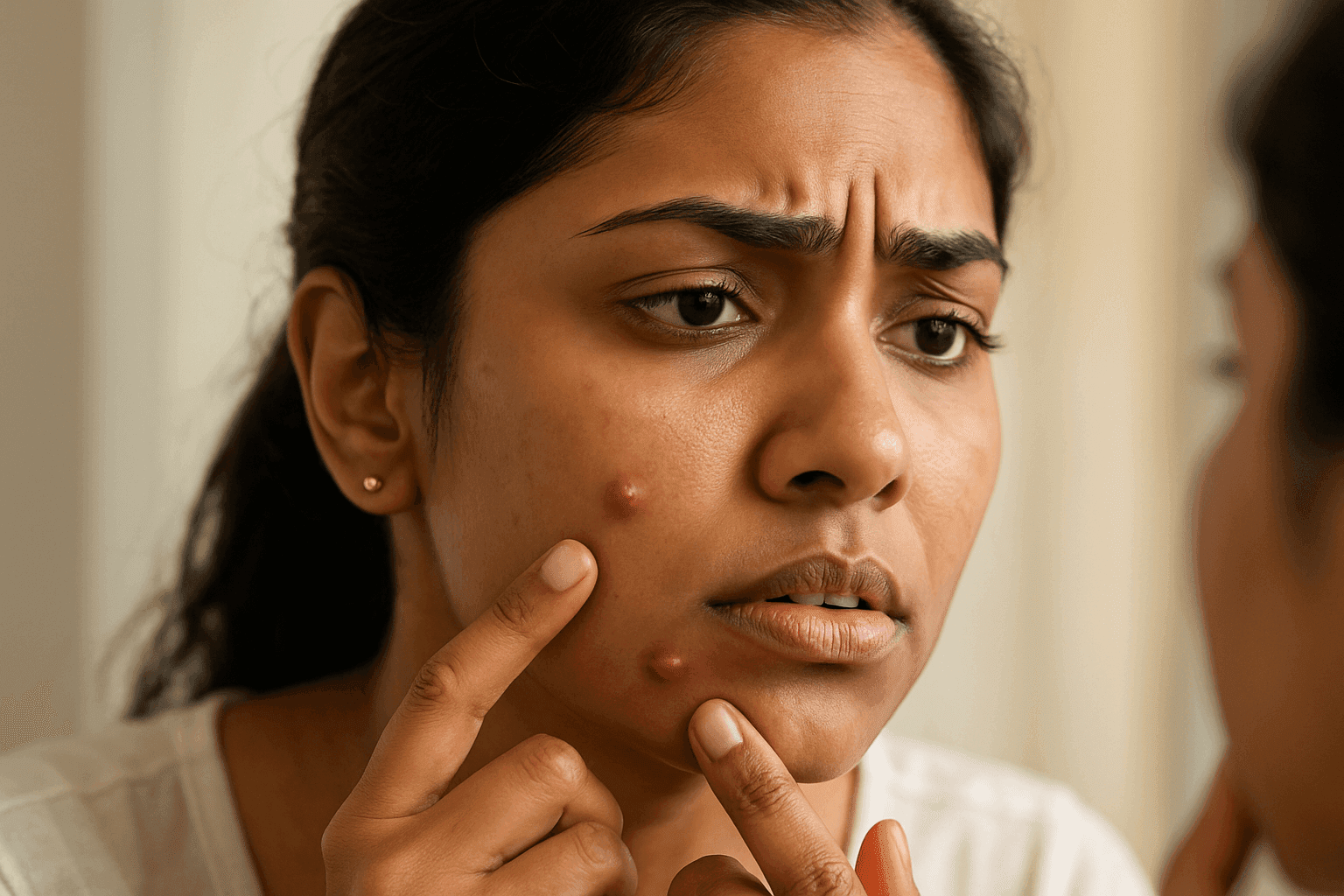
Let’s get one thing out of the way: pus is not “dirt.” It’s your body’s immune response kicking into gear. When you see a swollen, white-tipped pimple, it means your body is actively fighting off an infection beneath the skin.
These are not the tiny blackheads or whiteheads that sit quietly on your skin. These are inflamed, painful, and often tempting to squeeze. But what’s going on inside that bump is a lot more complex than just "gunk."
So… What Actually Is Pus?
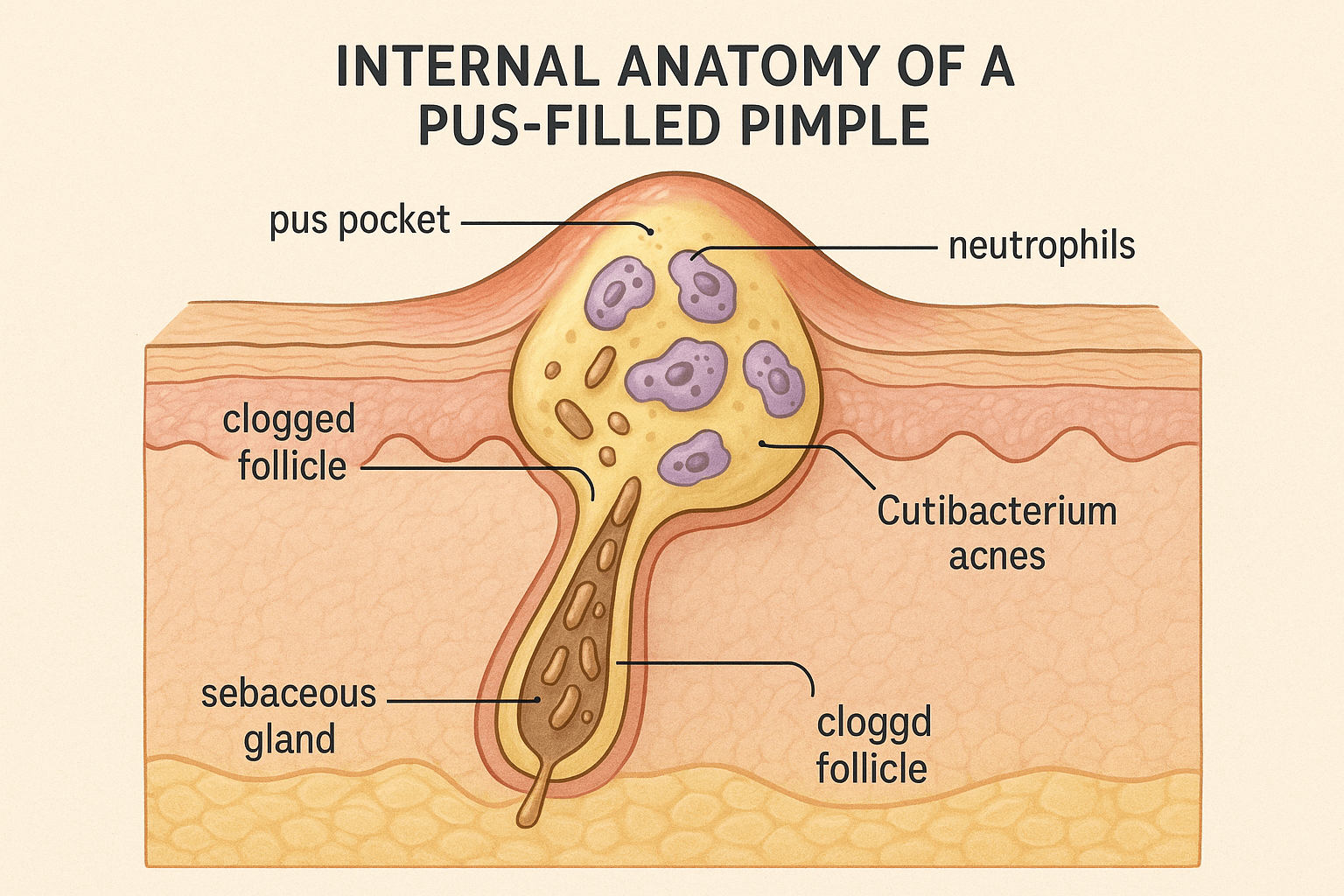
Pus is a collection of:
-
White blood cells (neutrophils) that rush to the site of infection
-
Dead skin cells
-
Bacteria (usually Cutibacterium acnes or Staphylococcus epidermidis)
-
Inflammatory fluid
In simple terms, it’s the battlefield aftermath of your immune system trying to contain and kill acne-causing bacteria inside a clogged pore.
This is why pus-filled Pimples are also called inflammatory acne - the redness, swelling, pain, and white or yellow head are all signs of an internal immune fight.
Types of Pus-Filled Pimples
Not all pimples with pus are the same. Understanding the type helps you treat them better - and know when to step back and let your skin handle it.
| Type | Description | Size | Common Locations | Pain Level |
|---|---|---|---|---|
| Papules | Red, tender bumps with no visible pus head yet | Small | Cheeks, forehead | Mild |
| Pustules | Classic "pus-filled pimple" with a white or yellow center | Medium | T-zone, back, shoulders | Moderate |
| Nodules | Deep, hard lumps under the skin; no clear head | Large | Jawline, back, chest | High |
| Cysts | Large, pus-filled pockets under the skin; often painful | Very Large | Chin, jawline, neck | Severe |
Note: Only pustules and cysts clearly contain pus. Papules may turn into pustules, while nodules often don’t have visible pus but still involve inflammation.
Why Do These Happen?
It starts with a clogged pore - usually from excess oil, dead skin cells, or comedogenic products. But when bacteria enter the mix, your body sees it as a threat.
The process goes like this:
-
Clog forms in a hair follicle
-
Bacteria multiply inside that pore
-
Immune system responds by sending white blood cells
-
Inflammation kicks in, causing redness, swelling, and pain
-
Pus forms as white blood cells attack the bacteria
But... Why Shouldn’t I Pop It?
We get it - the temptation is real. That little white bump just begs to be popped. But here's why that's usually a terrible idea:
1. You’re Pushing Bacteria Deeper
Instead of expelling the pus, most people end up forcing it further into the skin, leading to:
-
Larger breakouts
-
Nodules or cysts
-
Sub-surface scarring
2. Risk of Infection
When you pop a pimple, you're breaking the skin barrier. That open wound can invite external bacteria, making the situation worse.
3. Scarring and PIH
Popping increases the risk of:
-
PIH (Post-Inflammatory Hyperpigmentation) - dark marks
-
Textural scarring - especially if deeper layers are damaged
4. You’re Interrupting the Healing Cycle
That whitehead is your body’s way of sealing off bacteria. Popping it interrupts the natural cleanup process and prolongs healing.
How to Treat Pus-Filled Pimples the Right Way
Instead of squeezing, here’s what actually helps:
Topical Ingredients
| Ingredient | Function | Use Case |
|---|---|---|
| Benzoyl Peroxide (2.5%–5%) | Kills acne-causing bacteria | Red, pus-filled pimples |
| Salicylic Acid (BHA) | Penetrates and clears oily pores | Prevents new breakouts |
| Niacinamide | Calms inflammation and redness | Speeds recovery |
| Azelaic Acid | Kills bacteria + reduces pigmentation | Works well on sensitive skin |
| Sulfur | Dries out pus-filled lesions gently | Occasional spot treatment |
Do’s and Don’ts While Healing
✅ Do:
-
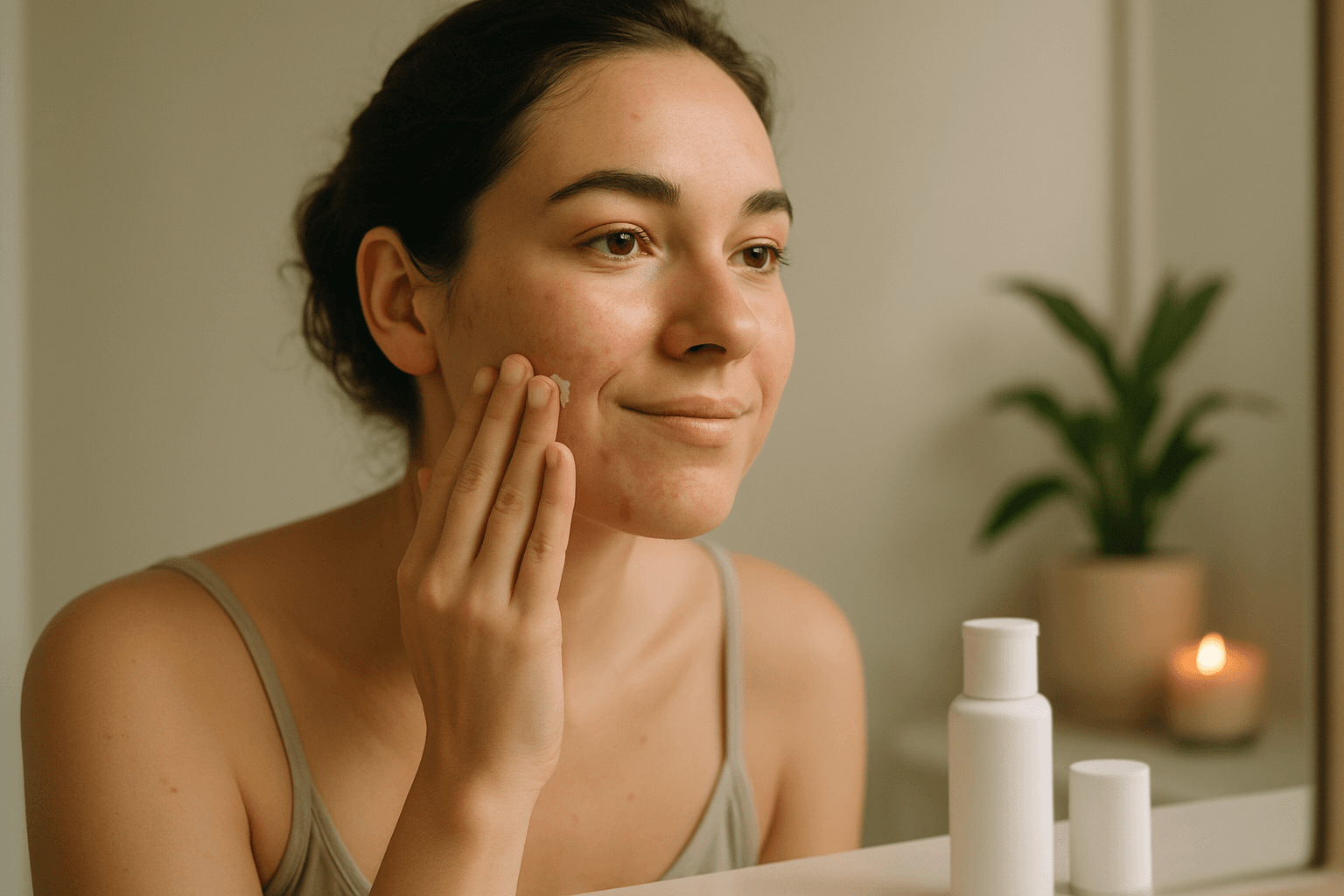
Cleanse twice daily with a mild, pH-balanced face wash
-
Use warm compresses to encourage drainage (only if the pimple is very ripe)
-
Moisturise - acne treatments can dry you out
-
Wear sunscreen daily to prevent dark marks
❌ Don’t: (with-text-points-note)
-
Touch your face frequently
-
Use harsh scrubs or exfoliants on active pus-filled breakouts
-
Skip hydration - it worsens inflammation
-
Layer multiple actives without guidance
When to See a Dermatologist
Some breakouts need more than skincare - especially if:
-
Pimples are painful, cystic, or leave scars frequently
-
Over-the-counter treatments aren’t helping after 6–8 weeks
-
You're experiencing deep nodules that never surface
Prescription options may include topical retinoids, oral antibiotics, or hormonal therapy depending on the cause.
Clear Ritual’s Take: Heal, Don’t Fight
At Clear Ritual, we believe acne isn’t something to “fight” - it’s something to understand.
Our approach to pus-filled pimples includes:
-
Barrier-first cleansing to avoid stripping the skin
-
Low-irritant actives that address inflammation gently
-
Repair-focused moisturisers to support healing
-
Consistent routines that don’t overwhelm your skin
We don’t believe in 10-step routines or “spot war” logic. We believe in skin rituals that work with your body, not against it.
Want to understand what’s causing your pimples? Take our [Skin Test] to get a customised plan.
Quick Recap
| What is it? | Why It Matters |
|---|---|
| What is pus? | White blood cells + bacteria + debris = sign of immune response |
| Why avoid popping? | It pushes bacteria deeper, scars the skin, and prolongs healing |
| Best treatments? | Benzoyl peroxide, salicylic acid, niacinamide, sulfur |
| Key mindset? | Reduce inflammation, don’t wage war |
- What causes pus to form inside a pimple?
Pus forms when your immune system sends white blood cells to fight acne-causing bacteria inside a clogged pore. The mixture of dead cells, bacteria, and inflammation creates a white or yellow-tipped bump.
- Is it ever safe to pop a pus-filled pimple?
Dermatologists generally advise against popping pimples. Squeezing can push bacteria deeper, worsen inflammation, or lead to scarring and dark marks.
- How can I make a pus-filled pimple heal faster?
Use gentle, evidence-based ingredients like benzoyl peroxide, salicylic acid, or sulfur. Apply warm compresses only if the pimple is very “ripe,” moisturise consistently, and avoid picking or touching.
- When should I see a dermatologist about pus-filled breakouts?
If your pimples are painful, cystic, leave scars, or don’t improve with over-the-counter treatments within 6–8 weeks, it’s time to see a dermatologist for prescription options.
- What’s the difference between papules, pustules, nodules, and cysts?
Papules are red bumps without a head, pustules contain visible pus, nodules are deep painful lumps, and cysts are large pus-filled pockets under the skin. Understanding the type helps guide treatment.
Editorial Standards
Clear Ritual has Strict sourcing guidelines to ensure our content is accurate and current. We rely on peer-reviewed studies, academic research institutions, and medical associations. We strive to use primary sources and refrain from using tertiary references. See a mistake? Learn More about our Editorial Standards.



