




Whiteheads vs Blackheads: Key Differences & Treatment Guide
Introduction – Understanding the Basics of Clogged Pores
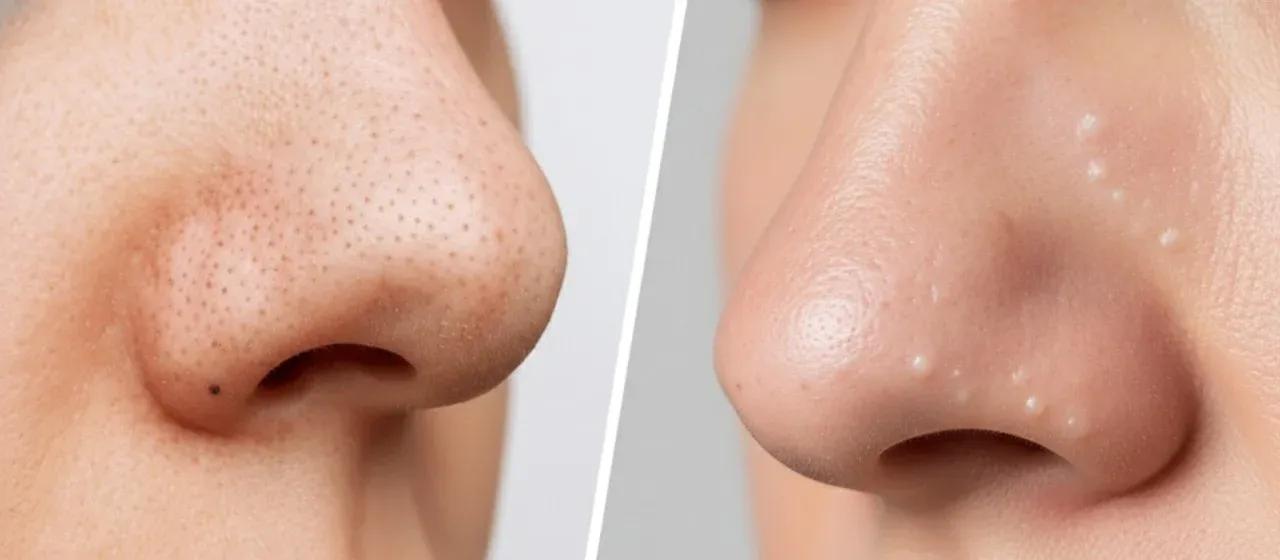
Ever noticed tiny bumps or dark dots on your face and wondered why some are white while others are black? Those little spots are comedones — the earliest form of acne caused by clogged pores.
Your skin’s pores naturally release sebum (oil) to keep it moisturized. But when excess oil mixes with dead skin cells, bacteria, and dirt, it can clog the pores, leading to two common types of non-inflammatory acne: whiteheads and blackheads.
These typically appear on the nose, chin, forehead, and cheeks — areas with active sebaceous glands. In this guide, you’ll learn:
-
What whiteheads and blackheads are
-
How they differ
-
Dermatologist-approved treatments
-
Simple habits to keep your pores clean and clear
What Are Whiteheads?
Whiteheads, or closed comedones, form when oil, dead skin cells, and bacteria get trapped under the skin’s surface. Because the pore remains closed, air can’t reach the trapped material — giving it a white or flesh-colored appearance.
Common Causes of Whiteheads:
-
Excess sebum production
-
Hormonal fluctuations (e.g., puberty, menstrual cycle)
-
Use of heavy, comedogenic skincare or makeup
-
Infrequent cleansing
-
Humid or sweaty environments
Most Prone Areas: Cheeks, forehead, chin
Image Suggestion: Diagram showing closed pore with trapped sebum (whitehead formation process).
What Are Blackheads?
Blackheads, or open comedones, occur when the pore remains open. The trapped mix of oil and dead cells is exposed to air and undergoes oxidation, turning dark or black.
Despite popular belief, the black color is not dirt — it’s oxidized oil and dead skin.
Common Causes of Blackheads:
-
Excess sebum and dead skin buildup
-
Skipping exfoliation
-
Sweat and humidity
-
Using oil-based or pore-clogging products
Most Prone Areas: Nose, forehead, chin
Image Suggestion: Diagram showing an open pore with oxidized sebum (blackhead formation).
Whiteheads vs Blackheads – A Clear Comparison
| Feature | Whiteheads | Blackheads |
|---|---|---|
| Pore Type | Closed | Open |
| Appearance | White or flesh-colored bumps | Dark dots or open spots |
| Cause | Trapped sebum under the skin | Sebum oxidized after exposure to air |
| Common Areas | Cheeks, chin | Nose, forehead |
| Risk of Infection | Higher | Lower |
| Extraction | Difficult, needs care | Easier but must be gentle |
Understanding which one you have helps in choosing the right treatment — whiteheads need pore-clearing and exfoliation, while blackheads benefit from deep cleansing and sebum control.
Causes & Contributing Factors for Both
Both whiteheads and blackheads share similar triggers:
-
Hormonal changes (puberty, stress, menstrual cycles)
-
Overproduction of sebum due to genetics or hormonal imbalance
-
Clogged pores from dead skin buildup
-
Improper skincare or comedogenic makeup
-
Environmental pollution and humidity
Dermatologist Insight:
“Pore congestion usually results from a mix of excess oil and inadequate exfoliation. Many patients unknowingly worsen it with heavy moisturizers or skipping sunscreen.”
Infographic Idea: “Top 5 Triggers of Clogged Pores.”
Effective Treatment Options for Whiteheads and Blackheads
1. Over-the-Counter (OTC) Treatments
-
Salicylic Acid (0.5–2%) – Gently exfoliates and keeps pores clear.
-
Benzoyl Peroxide (2.5–5%) – Kills acne-causing bacteria and reduces inflammation.
-
Adapalene (0.1%) – A mild retinoid that speeds up cell turnover to prevent clogged pores.
-
Niacinamide (2–5%) – Calms redness, controls sebum, and supports skin barrier.
Use once daily at night and always pair with sunscreen in the morning.
2. In-Clinic or Dermatological Treatments
For stubborn or widespread comedones:
-
Chemical Peels (AHA/BHA) – Dissolve buildup and refine texture.
-
Microdermabrasion – Gently removes dead skin and unclogs pores.
-
Comedone Extraction – Manual removal by trained dermatologists.
-
Laser Therapy – Targets deeper oil glands and reduces recurrence.
3. Home Remedies (Use With Caution)
Some natural options can complement clinical care:
-
Clay Masks (Kaolin/Bentonite): Absorb oil and purify pores.
-
Steam Therapy: Helps loosen debris but should be occasional.
-
Avoid: Harsh scrubs or squeezing — can cause inflammation and scarring.
Do’s & Don’ts Box
Do:
-
Use clean pillowcases and towels.
-
Stick to non-comedogenic skincare.
-
Follow a consistent routine.
Don’t:
-
Pick or pop comedones.
-
Over-exfoliate.
-
Sleep with makeup on.
Prevention Tips – Keep Pores Clean & Healthy
To prevent new comedones:
-
Cleanse twice daily with a gentle, pH-balanced cleanser.
-
Exfoliate 2–3 times per week with salicylic or glycolic acid.
-
Choose oil-free moisturizers and sunscreens.
-
Avoid touching your face frequently.
-
Eat a balanced diet (limit sugar, fried food, and dairy).
-
Manage stress and ensure adequate sleep.
-
Stay hydrated and change pillow covers regularly.
Graphic Suggestion: “Healthy Skin Routine Checklist.”
Common Myths About Whiteheads and Blackheads
Myth 1: Blackheads are caused by dirt. Fact: They’re due to oxidized oil, not dirt.
Myth 2: Popping them makes skin clearer. Fact: It can cause scarring and infection.
Myth 3: Only teenagers get them. Fact: Adults can develop comedones due to hormones, stress, or cosmetics.
Myth 4: Sun exposure helps dry them out. Fact: It temporarily dries the skin but worsens oil imbalance later.
When to See a Dermatologist
See a dermatologist if:
-
OTC products don’t improve your condition after 6–8 weeks.
-
You experience painful, inflamed breakouts or cysts.
-
There’s scarring or frequent recurrence.
A dermatologist may prescribe:
-
Topical retinoids (Tretinoin)
-
Antibiotics (if bacterial involvement)
-
Hormonal therapy (for hormonal acne)
FAQs
1. Can whiteheads turn into blackheads? No — whiteheads are closed pores, while blackheads are open. They don’t convert into each other.
2. Are pore strips safe for removing blackheads? They provide a quick fix but can irritate sensitive skin. Use sparingly.
3. Does diet affect whiteheads and blackheads? Yes. Diets high in sugar or dairy can worsen oil production and inflammation.
4. Can men and women use the same treatments? Yes, though hormonal factors may affect results differently.
5. Is daily exfoliation good for preventing whiteheads? No. Over-exfoliation strips natural oils and can trigger more breakouts.
Conclusion
Whiteheads and blackheads may look minor, but they signal your skin’s need for balance. By understanding the difference, maintaining a consistent skincare routine, and using evidence-based treatments, you can achieve smoother, clearer skin.
Editorial Standards
Hims & Hers has Strict sourcing guidelines to ensure our content is accurate and current. We rely on peer-reviewed studies, academic research institutions, and medical associations. We strive to use primary sources and refrain from using tertiary references. See a mistake? Learn More about our Editorial Standards.



