




5 Clear Ritual Skincare Habits to Keep Acne Away
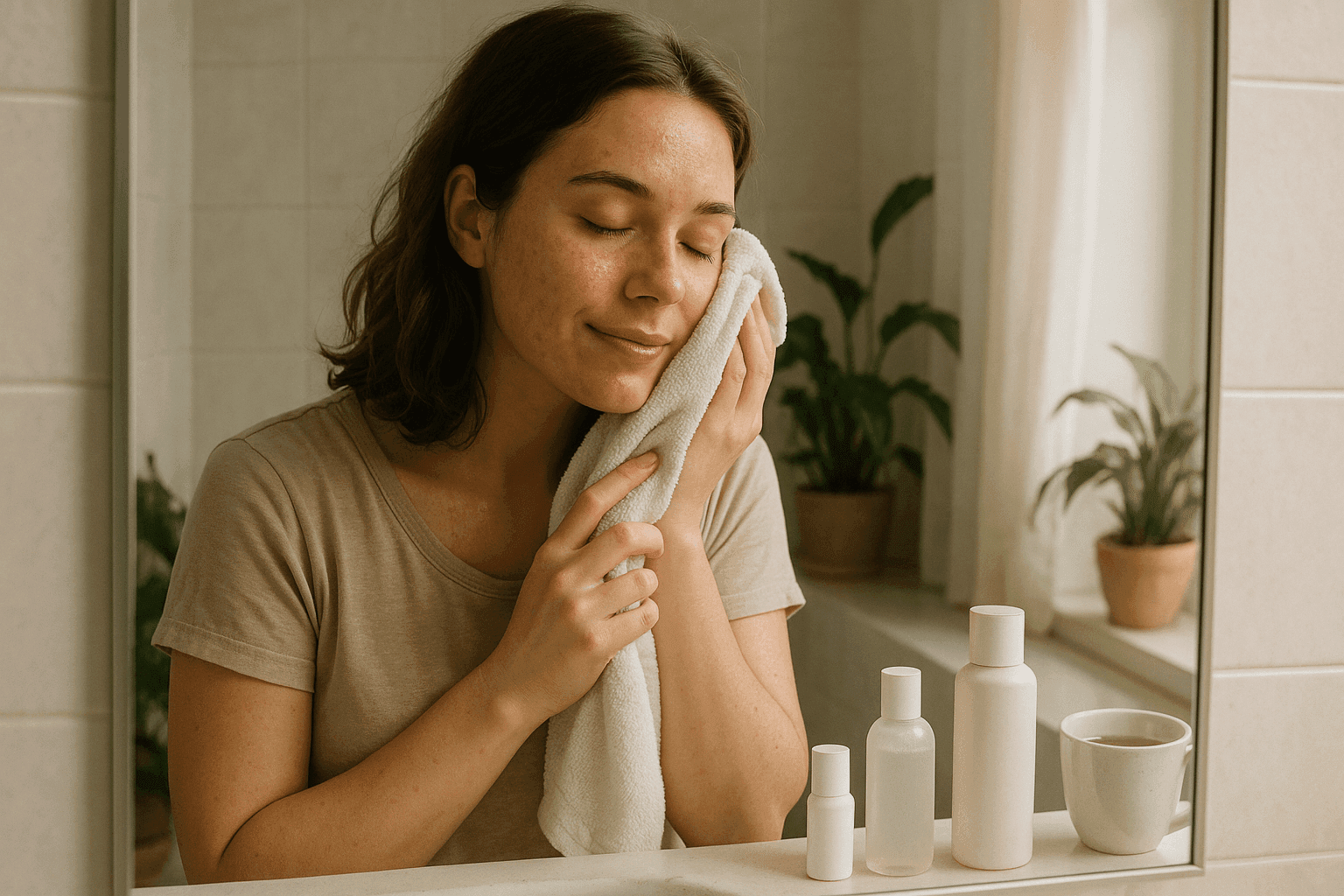
Acne Prevention Starts With What You Do Every Day
Most people treat acne as a sudden event - a pimple appears, and then they scramble to fight it. But acne doesn’t work like that. It builds silently over days or weeks due to clogged pores, excess oil, inflammation, or hormonal shifts. And what you do daily - your skincare routine, diet, sleep, stress - decides whether that buildup turns into a breakout.
The good news? You don’t need aggressive products or a shelf full of serums to stay clear. You just need 5 habits, done consistently. These aren’t trends. They’re timeless, skin-science-backed steps to keep acne at bay.
Habit 1: Wash Your Face Twice a Day - No More, No Less
Cleansing is the most underrated act in skincare. Do too little, and dirt, oil, and dead cells accumulate. Do too much, and your skin dries out, overproduces oil, and inflames. Balance is the key.
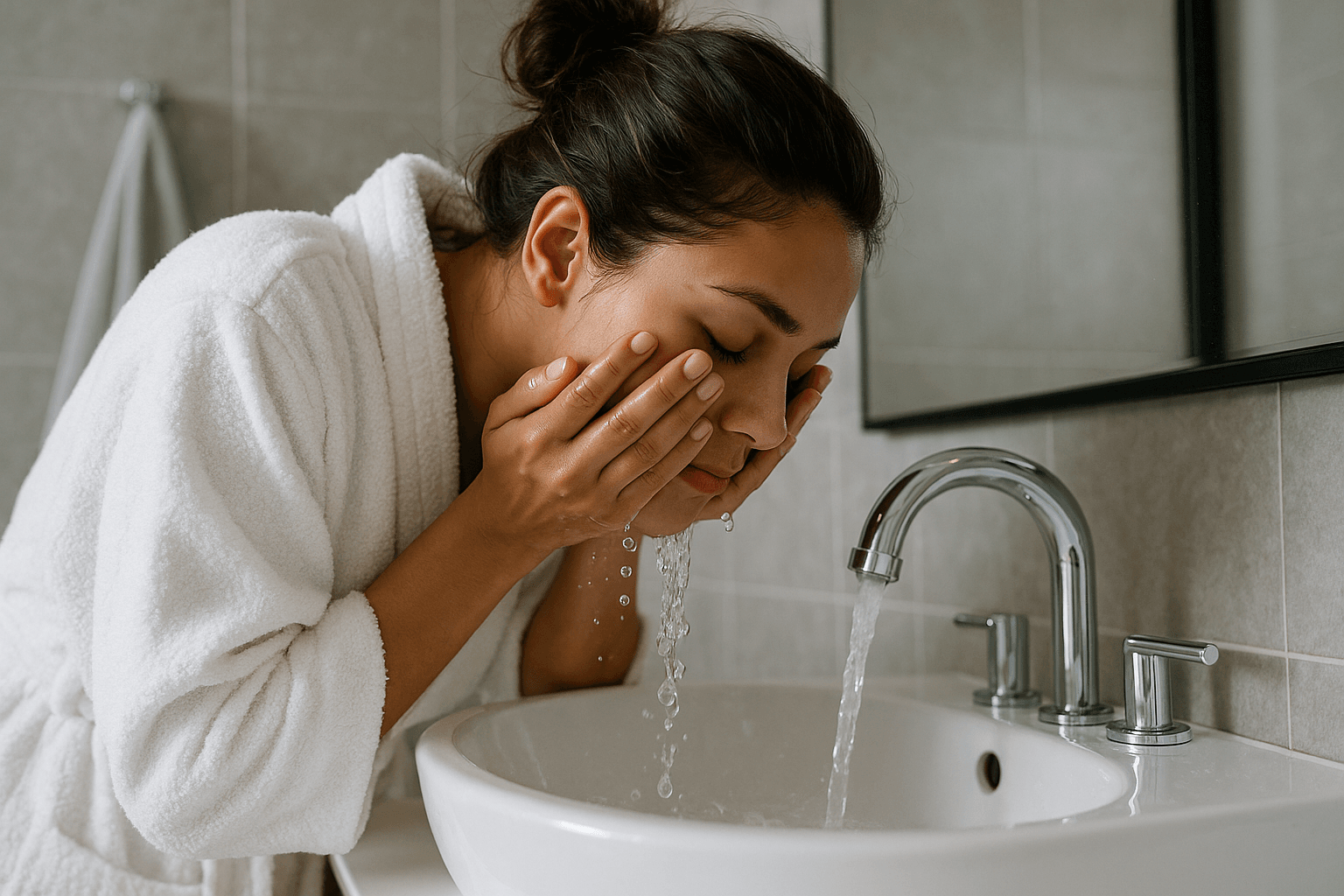
The Clear Ritual approach:
- Use a gentle, gel-based cleanser with no sulfates or scrubbing agents
- Cleanse once in the morning to remove overnight oil
- Cleanse once at night to remove sunscreen, dirt, and pollution
- Never wash more than twice a day, even if you feel greasy
Over-washing doesn’t prevent breakouts - it causes barrier disruption, which often makes them worse.
Habit 2: Build a Routine You Can Stick To
Most acne-prone skin gets worse not because of bad products - but because of inconsistent ones. People jump from one trend to the next, stack multiple activities, and give up when they don’t see results in a week.
Your skin needs rhythm, not chaos.
At a minimum, your routine should include:
- Cleanser – gentle, non-stripping
- Treatment – like niacinamide, salicylic acid, or a mild retinoid
- Moisturiser – non-comedogenic, suited to your skin type
- Sunscreen – every single morning, no exceptions
Stick to this for 6–8 weeks before judging results. Consistency builds trust - and clear skin is built on trust.
Habit 3: Hydrate - Even If You’re Oily
If there’s one myth that has caused more acne than it cured, it’s this: “Oily skin doesn’t need moisturiser.”
Here’s what really happens when you skip hydration:
- Your skin dehydrates
- The oil glands detect dryness and produce more sebum
- This extra oil clogs your pores, leading to new breakouts
A good moisturiser won’t make you greasy. It’ll actually balance oil flow and support barrier recovery - both essential for preventing flare-ups.
What to use:
- Lightweight gel-based moisturisers
- Ingredients like glycerin, hyaluronic acid, panthenol, ceramides
- Absolutely no fragrance or alcohol
Moisturising twice a day (AM + PM) is one of the easiest ways to reduce breakouts long-term.
Habit 4: Don’t Pick. Ever.
We know it’s tempting. You see a whitehead, a bump forming, and your fingers just go for it. But here's the truth: popping, squeezing, or picking a pimple makes it worse. Always.
What happens when you pick:
- You push bacteria deeper into the skin
- You increase inflammation and risk post-acne pigmentation (PIH)
- You often damage the follicle, which leads to scarring
Even if it “feels better” in the moment, picked acne almost always heals slower - and leaves a bigger mark.
Instead:
- Use spot treatments with salicylic acid or sulfur
- Let your activities do the work
- Apply ice if it’s swollen - don’t touch
Discipline > damage.
Habit 5: Use Activities with Strategy, Not Speed
Most actives that help prevent acne - like salicylic acid, retinoids, or exfoliants - can also irritate if used incorrectly.
People often think: “If a little works, more must work faster.” But that’s not how skin chemistry operates. Going too fast, too strong = barrier breakdown and flare-ups.
Better habit:
- Start new activities slowly (2–3 times a week)
- Don’t combine too many potent ingredients in one routine
- Focus on tolerance before intensity
- Watch your skin for signs of overuse: dryness, redness, tingling
Building clear skin isn’t about how strong your routine is - it’s about how sustainable it is.
Bonus Habit: Stop Looking for Overnight Results
Skin doesn’t follow Amazon Prime timelines. A pimple may appear overnight, but the process that caused it started weeks ago. Your prevention routine needs time to work on the breakouts you haven’t seen yet.
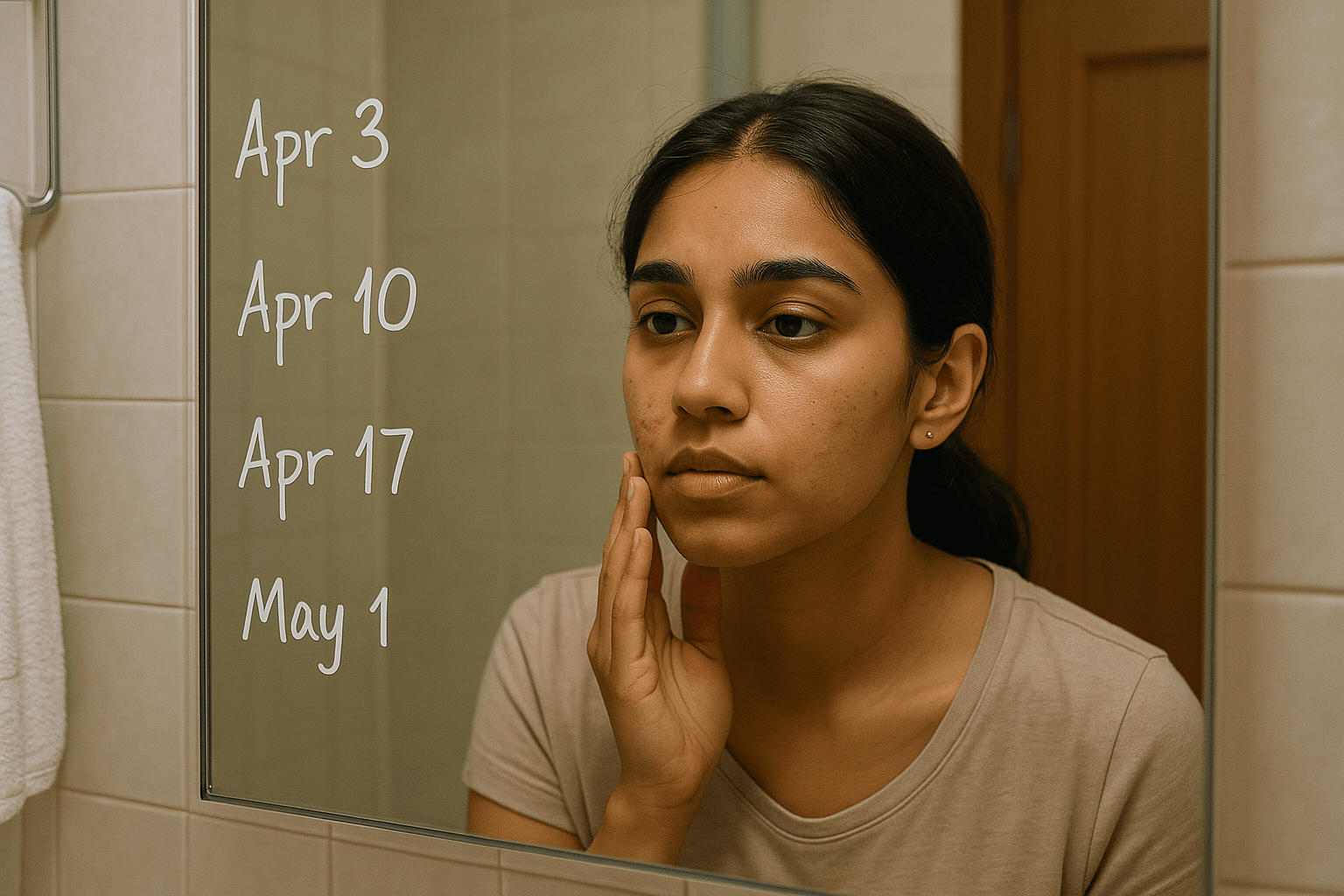
Here’s what a realistic progress curve looks like:
- Week 1–2: Your skin adjusts
- Week 3–4: Oil production stabilises
- Week 5–6: Fewer new Pimples show up
- Week 7–8: You begin to notice a smoother texture and less redness
Expecting flawless skin in a week will only lead to frustration. Stay the course - your skin will thank you for it.
How Clear Ritual Supports Acne Prevention
At Clear Ritual, we don’t believe in panic routines or quick fixes. Our skincare is designed to help you build the 5 habits above - one simple ritual at a time.
Here’s how:
- Every product is minimal, non-comedogenic, and barrier-safe
- We help you layer activities in the right order and frequency
- Our routines don’t change with trends - they’re built for long-term skin stability
If you're not sure which habit your skin is missing, [Take the Skin Test] and get a Clear Ritual plan tailored for you.
The 5 Habits That Actually Help
| Habit | Why It Matters |
|---|---|
| Wash twice daily | Prevents clogged pores without over-drying |
| Keep it minimal | Lowers irritation and improves consistency |
| Hydrate always | Prevents rebound oil and inflammation |
| Don’t pick | Reduces scarring and speeds healing |
| Use actives smartly | Prevents new breakouts without damaging barrier |
Frequently Asked Questions
1. Can daily habits really prevent acne?
Yes. Acne develops over time due to oil buildup, clogged pores, and inflammation. Consistent daily habits help interrupt this process before breakouts surface.
2. How often should I wash my face to prevent acne?
Cleansing twice a day is ideal. Washing more than that can strip the skin barrier, while washing less can allow oil and debris to build up.
3. Do I need to moisturise if I have oily or acne-prone skin?
Yes. Skipping moisturiser can dehydrate your skin, triggering excess oil production and increasing the risk of breakouts.
4. Why is picking pimples so bad for acne?
Picking pushes bacteria deeper into the skin, increases inflammation, and raises the risk of scarring and post-acne dark marks.
5. How long does it take to see results from an acne prevention routine?
Most people notice improvement within 6–8 weeks. Prevention routines work gradually by stopping future breakouts before they form.
Editorial Standards
Hims & Hers has Strict sourcing guidelines to ensure our content is accurate and current. We rely on peer-reviewed studies, academic research institutions, and medical associations. We strive to use primary sources and refrain from using tertiary references. See a mistake? Learn More about our Editorial Standards.



