




The Complete Guide to Acne Treatments: Medical, Natural, and In-Clinic Solutions
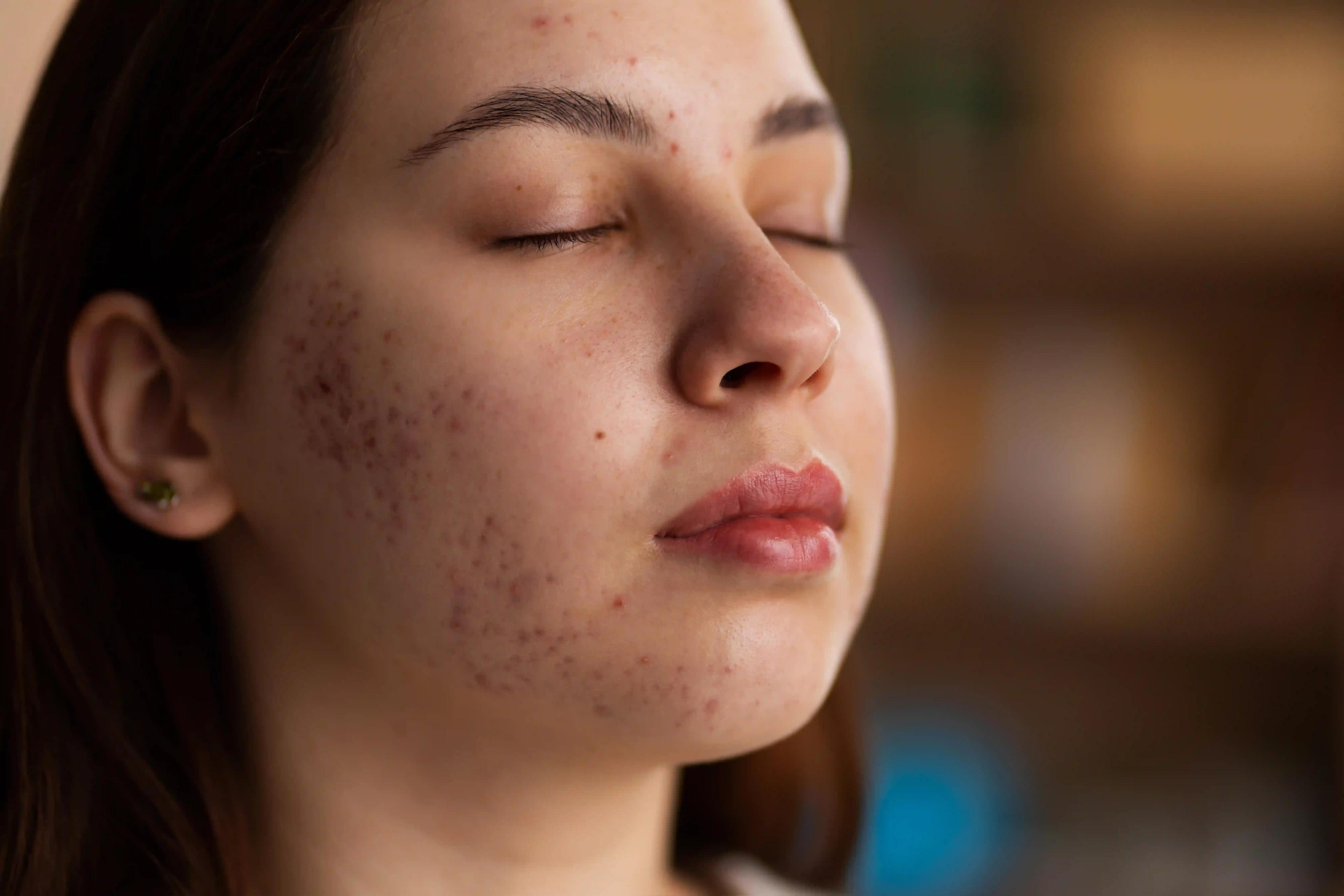
Acne is natural. About 95% of people aged between 11 and 30 go through this uninvited guest. However, just because it’s common, you can’t neglect it. The internet is filled with many blogs, tips, videos, treatments, and products to help you get rid of those scary, hurting spots. However, one size doesn’t fit all, as everyone has a different skin type, which is the key cause of acne and its severity.
Moreover, not all acne is the same; these tons of tips and treatments add to your confusion and overwhelm. Understanding your confusion, Clear Rituals has got you a detailed science-backed guide to acne treatments. Whether you are worried about fungal acne treatment, looking for a home remedy, or a topical acne treatment, we have covered everything for you.
This article will discuss medical treatments, home remedies, and in-clinic treatments for acne.
Medical Treatments for Acne
Many of you might agree that although pharmacy products are slow, they are often way more reliable and show real results than other cosmetic brands. These medications reduce oil production and swelling and treat bacterial infection in the case of acne. Clearing acne and giving that smooth skin can take months or even a year.
-
Topical Treatments
Topical treatments are most commonly the first prescription your dermatologist will start with. As experts suggest, these are the easiest to use. You have to apply them to your skin like lotion or moisturizer. Here are the key ingredients of the most commonly used topical treatments for acne:
Benzoyl peroxide: This topical medication is used to prevent and treat acne. It kills bacteria and germs that cause blackheads, whiteheads, and other Pimples on your skin. You can get benzoyl peroxide from a medical professional or through a prescription. It’s a go-to [comedonal acne treatment.
Pros:
-
Available in different forms, including gel and cream
-
Kills acne-causing bacteria, preventing new acne
-
You can get it over the counter if you have mild to moderate acne
Cons:
- It can cause side effects like itchiness, redness, or swelling
- Not suitable for pregnant women until the doctor advises
Salicylic acid: You might have already heard of salicylic acid, whether in person or on social media. This medication can be found as a key ingredient in various skin products like serum, face wash, gel, and cream. Salicylic acid reduces sebum level, often a key cause of clogged pores and acne.
Based on research on salicylic acid gel, it reduced sebum production and hydrated skin. In case of acne, it's suggested that products be used with a concentration between 5% and 10%.
Pros:
-
Unclogs pores
-
You can buy it over the counter in various forms, like face wash and serum
-
Suitable during breastfeeding and pregnancy, on a doctor’s advice
Cons:
- It may bring minor side effects like redness, dryness, and itching
Retinoids: Retinoid is another skincare product often promoted on social media as an anti-aging medication. A skin product that contains retinoid is a good option for someone with mild pigmentation irregularities, mild acne, or mild fine lines and wrinkles.
This topical cream is recommended to be used only at night, and sunscreen should always be used, as it makes the skin sensitive. Plus, it is also suggested to always start with the least intense retinoid.
Pros:
-
You can buy them over the counter in different types and forms, like retinol and retinal
-
It unclogs blocked pores
-
It slows down skin aging caused by UV exposure
Cons:
-
If used longer than needed, it can bring side effects like skin sensitivity, redness, and itchiness
-
You should avoid using retinoids during pregnancy or if you are expecting to be pregnant
-
Oral Medications
Oral medications are recommended when topical acne treatments don’t work as expected, even after sticking to the routine for weeks. Here are a few commonly advised medications. Ensure you don’t use them without consulting experts; these doses vary based on age, skin type, and acne severity.
Antibiotics: The American Academy of Dermatology agrees to use antibiotics to treat acne when its severity is moderate and severe. It's proven that antibiotics help to reduce acne severity and are mostly safe.
Pros:
-
Kills acne-causing bacteria, prevents new breakouts
-
It helps to calm down the redness and swelling of the current acne
Cons:
-
It may cause antibiotic resistance, thus, because other antibiotics might not work effectively
-
Makes the skin sensitive and may also affect the digestive system
Hormonal therapy: Hormonal acne treatment is recommended when acnes come uninvited on your skin due to a hormone imbalance, especially among women, on the cheeks and jaws around periods. A woman can have hormonal acne with or without an irregular menstrual cycle.
This is also helpful for people who experience sudden, frequent breakouts, even when their androgen (male hormone) levels are normal, and are tired of trying different treatments. Two types of medication are suggested in hormonal therapy: one is the pill, and the other is spironolactone.
Pros:
-
Targets the root cause of hormonal acne
-
Prevents new breakouts
Cons:
-
You might have to spare time for multiple appointments with a dermatologist if they recommend spironolactone, which requires monitoring of blood tests, blood pressure, and side effects
-
There’s a risk of high blood pressure, painful periods, and skin sensitivity based on the medications you take
Isotretinoin: This oral medication is a type of oral retinoid that dermatologists prescribe for rescue when one has severe acne and no other treatments are working correctly. Isotretinoin is powerful and helps to calm down severe acne, Cystic Acne, or that stubborn acne that doesn’t respond to other treatments. This oral medication reduces oil production, shrinks sebaceous glands, and prevents clogged pores.
Pros:
- Patients can get rid of acne in 4 to 6 months
- Prevents new breakouts for the long term
Cons:
-
One might experience dry skin, chapped lips, and irritated eyes
-
Not suggested for pregnant or expecting to be pregnant women as it might cause miscarriage or stillbirth
Prescription Guidelines & Precautions
Before you try or trust any of the above treatments, please take the following precautions seriously:
-
Never take any oral medications without consulting an expert
-
In topical medications, always buy only over-the-counter medications with the lowest concentration, and do a patch test
-
Always share your medical history, what medications you take daily, your smoking habit, and pregnancy plans with your dermatologist before taking a prescription
-
Ask about potential side effects and discuss your concerns before starting the course
-
Always take the medications as the expert suggests, don’t increase or reduce the dose randomly
-
Always consult an expert before trying any treatment on children under 15 years old
Natural & Home Remedies to treat acne
You can find many natural and DIY remedies when searching for ‘acne treatment at home’ online. Here are a few tips and tricks that can help you handle your breakouts and prevent inviting more:
-
Herbal and Plant-Based Treatments
When there are so many natural remedies online, how could we stop mentioning the best one? Here are our top three recommended natural acne treatments:
-
Tea tree oil: If you have mild to moderate acne, you can trust tea tree oil. Tea tree oil's antimicrobial, antioxidant, and anti-inflammatory properties make it an essential ingredient in many over-the-counter acne treatments and cosmetics. If you want an acne treatment with no or minimal side effects, you can buy tea tree gel to soothe your acne.
-
Aloe vera: One of the most common ingredients in modern cosmetics. Like tea tree oil, even aloe vera has anti-inflammatory, antibacterial, and moisturizing properties. Applying aloe vera can help you calm the skin and reduce redness. However, remember that aloe vera can help you soothe the acne, but it does not treat the underlying causes of breakouts.
-
Green tea extract: This is another home remedy that works wonders with its antioxidant and inflammatory properties. You may use it as a topical treatment, like serums and creams, or prepare a simple DIY face mist.
Note: The above content is entirely for educational purposes. Always consult an expert before trying anything on your active acne.
-
Dietary & Lifestyle Approaches
Here are a few changes you can make in your diet and lifestyle to control and prevent breakouts:
-
Eat a low-glycemic diet: The food plan index, calculated based on the effect of sugar level, is called the glycemic index. It ranks food on a scale of 0 to 100. Based on this, always try to have a low glycemic diet, typically 55 or less. This diet can include broccoli, bananas, chickpeas, yogurt, and barley. This helps to control sugar levels in your body and prevent breakouts.
-
Stay hydrated: Water plays a very crucial role in our skin’s behavior. Drinking enough water helps your body to detoxify and flush out toxins. This can directly reduce the burden on you and prevent clogging of pores.
-
Manage stress: Pay good attention to your mental health. A study says there’s a close relationship between acne and stress. As stress directly affects your hormones, further using cosmetics, sweat, etc., increases breakouts. So, practice relaxing hobbies like journaling and meditation to manage stress and avoid acne.
-
Skincare Tips at Home
Your skincare habits and choice of products highly influence your skin health. You don’t necessarily need a ten-step routine to have clear skin. Basic and smart changes can help you a lot. Here are three tips:
-
Gentle cleansing: Avoid using random harsh face cleansers for your skin. Even your soap might be the reason behind your breakouts. So, buy a gentle cleanser suitable for your skin type and wash your face twice with it daily.
-
Avoiding harsh scrubs: Choose a face scrub based on ingredients and your skin type, not based on marketing ads. Look for ingredients like salicylic acid for oily skin and hyaluronic acid for dry skin.
-
Non-comedogenic moisturizers: Skincare products that don’t clog your pores are called non-comedogenic. Especially if you have oily skin, try to buy skincare products like non-comedogenic moisturizers to avoid clogging pores and breakouts.
In-Clinic Treatments for Acne
If you are fed up with taking different medications, applying creams and remedies, in-clinic treatments might be right for you. Here are three widely trusted and adapted treatments for acne:
- Laser & Light Therapy: Blue, red, and blue laser and light treatment is a modern technique that helps to clear acne-causing concerns like bacteria and inflammation, shrink the sebaceous gland, and reduce sebum production. Visible light treatment helps treat pimples. However, it doesn’t work for blackheads, whiteheads, acne cysts, or nodules. The results of this treatment vary from person to person. Plus, it takes time and multiple sessions to show the best results.
Best for: Acne-prone skin
Benefits:
-
Different types of laser and light therapy for acne, scars, and textural issues exist
-
Directly targets acne-causing bacteria and inflammation
- Chemical Peels: In-clinic treatment where the doctor uses chemicals like salicylic, glycolic, lactic acid, etc. to peel off the upper layer of your skin and bring out the youthful underneath skin is called a chemical peel. Different chemicals bring and target different skin concerns. Chemical peels work for skin issues like mild to moderate acne, age spots, uneven skin tone, and wrinkles.
Benefits:
-
Suitable for all skin types
-
Unclogs pores and reduces blackheads/whiteheads
-
Fades old acne marks over time
Precautions:
-
It might bring side effects like redness, peeling, or temporary sensitivity
-
Not ideal for people with very sensitive skin and active infections
-
Ensure to share the medications you are taking before getting the treatment
- Microneedling & Other Procedures: Besides the above treatments, you can also consider microneedling, where experts use tiny needles to create micro injuries on your skin. These tiny injuries boost collagen in your skin, improving acne scars and texture. This treatment has downtime of one to two days with mild redness.
But if you have active acne, like a large, painful cystic pimple, you can consider cortisone injections. It reduces swelling and pain and helps you see a visible difference within 24 to 28 hours.
Acne Treatment Options at a Glance
| Treatment type | Best for | Who should get it | Downtime | Time to see results |
|---|---|---|---|---|
| Topical medication | Mild to moderate acne | Anyone starting acne treatment | None (may have mild dryness/irritation) | 4 to 8 weeks |
| Oral medications | Moderate to severe acne or hormonal acne | Prescribed by a dermatologist | None, but might need regular follow-ups | 8 to 12 weeks |
| In-clinic | Stubborn acne, scars, and pigmentation | People with moderate to severe acne or scarring | 1–7 days depending on treatment | Requires multiple sessions. Results improve over the months |
| Home remedies & natural products | Mild acne, early breakout, and prevention | People with sensitive skin | None | 6 to 12 weeks. Results are usually mild and slow. |
How to Choose the Proper Treatment for Your Acne?
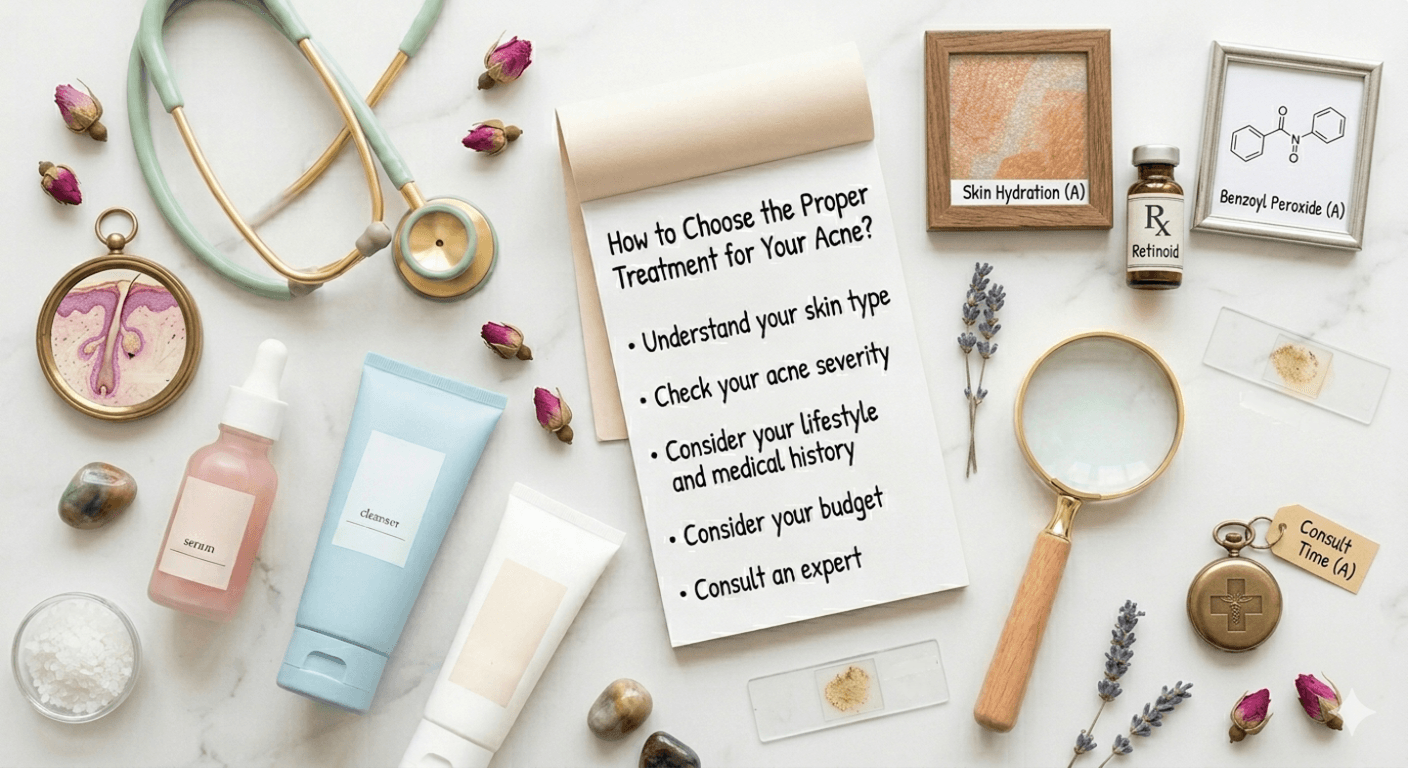
You might already be overwhelmed by seeing so many treatment options above. So, here are a few key tips to help you choose the proper treatment:
-
Understand your skin type: Not all acne treatments work the same. Whether it’s a chemical peel or basic topical medication, your skin type and sensitivity play a vital role in the results you get. So, always do a patch test to understand your skin, then choose a treatment.
-
Check your acne severity: If you have mild to moderate acne, you can treat it at home with natural remedies and a few low-concentration topical medications. However, if you have moderate to severe acne, consult an expert and shift to in-clinic or oral medications.
-
Consider your lifestyle and medical history: Do you smoke? Are you pregnant or planning to be? Or do you take any tablets regularly? Although these questions sound irrelevant, they significantly impact your skin's behavior when you try acne treatment and other medications together. Before starting acne treatment, consider discussing your medical history with experts to avoid complications.
-
Consider your budget: In-clinic treatments are often expensive and require multiple sessions. So, always consider your budget and time before starting a treatment.
-
Consult an expert: No one can give better advice than the experts themselves. Consult your dermatologist and share your observation about your skin. Don’t forget to tell what medications you've tried already and what the outcome was. Talking to a dermatologist can help clear your concerns and pick the best treatment.
How to Prevent Acne & Maintain Clear Skin?
Here are a few easy tips you can add to your lifestyle to prevent skin breakouts and have clear skin:
-
Have a basic three-step skincare routine, including a gentle face wash for your skin type, a non-comedogenic moisturizer, and a face mist or serum
-
Change your pillow case regularly and clean your phone screen. This helps you avoid your skin coming into contact with acne-causing bacteria, preventing acne
-
Avoid oily junk food and sugary snacks. Instead, eat fruits and vegetables to have healthy skin
-
Avoid touching or picking your acne, as this spreads bacteria, leading to scars and dark spots
-
If your basic skincare routine isn’t helping to control acne, consult a dermatologist and get regular check-ups to prevent the acne
Signs You Need to Seek Professional Help
You can sometimes treat acne at home. But here are a few signs that say you need to visit your nearest dermatologist:
-
If your tiny acne has turned into cystic acne, it may appear as a large, painful lump under the skin with no sign of improvement
-
Your acne is leaving scars or dark spots after every breakout
-
The uninvited acne is becoming more frequent, even after trying over-the-counter products
-
The breakouts are spreading all over the face with redness.
If you see any of the above signs, seek expert help. Early treatment can help you escape from severe scarring and acne issues.
Conclusion
Acne is frustrating and impacts your skin as well as your confidence level. Fortunately, you can get rid of them with the proper treatment and expert help. You can use topical medications like benzoyl peroxide and retinoid if you have mild acne. But if you have moderate to severe acne, it’s best to consult an expert and get oral medication or in-clinic treatment.
However, remember, the key to treating acne is consistency. Always stick to a product for at least a month to see the results. Changing your skincare routine every week won’t help you see results. To know where to begin your skincare journey, take Clear Ritual’s quick skin test and know where you stand in your skincare journey.
FAQs
Are natural remedies enough for severe acne?
No, natural remedies are best for preventing new breakouts and treating mild early acne. In the case of severe acne, it’s advised to consult an expert and get it treated as soon as possible to avoid scarring and new breakouts.
Which in-clinic procedure works best for cystic acne?
Corticosteroid injections are the best in-clinic option for cystic acne. It shrinks the significant, painful acne and works within 24 to 48 hours.
How long does it take for acne treatments to show results?
No acne treatment has a fixed time to show results. The outcome depends on the treatment, skin type, and acne severity. However, most treatments take 4 to 12 weeks to show visible results.
Editorial Standards
Hims & Hers has Strict sourcing guidelines to ensure our content is accurate and current. We rely on peer-reviewed studies, academic research institutions, and medical associations. We strive to use primary sources and refrain from using tertiary references. See a mistake? Learn More about our Editorial Standards.



