




Everything You Need to Know About the Causes & Triggers of Acne
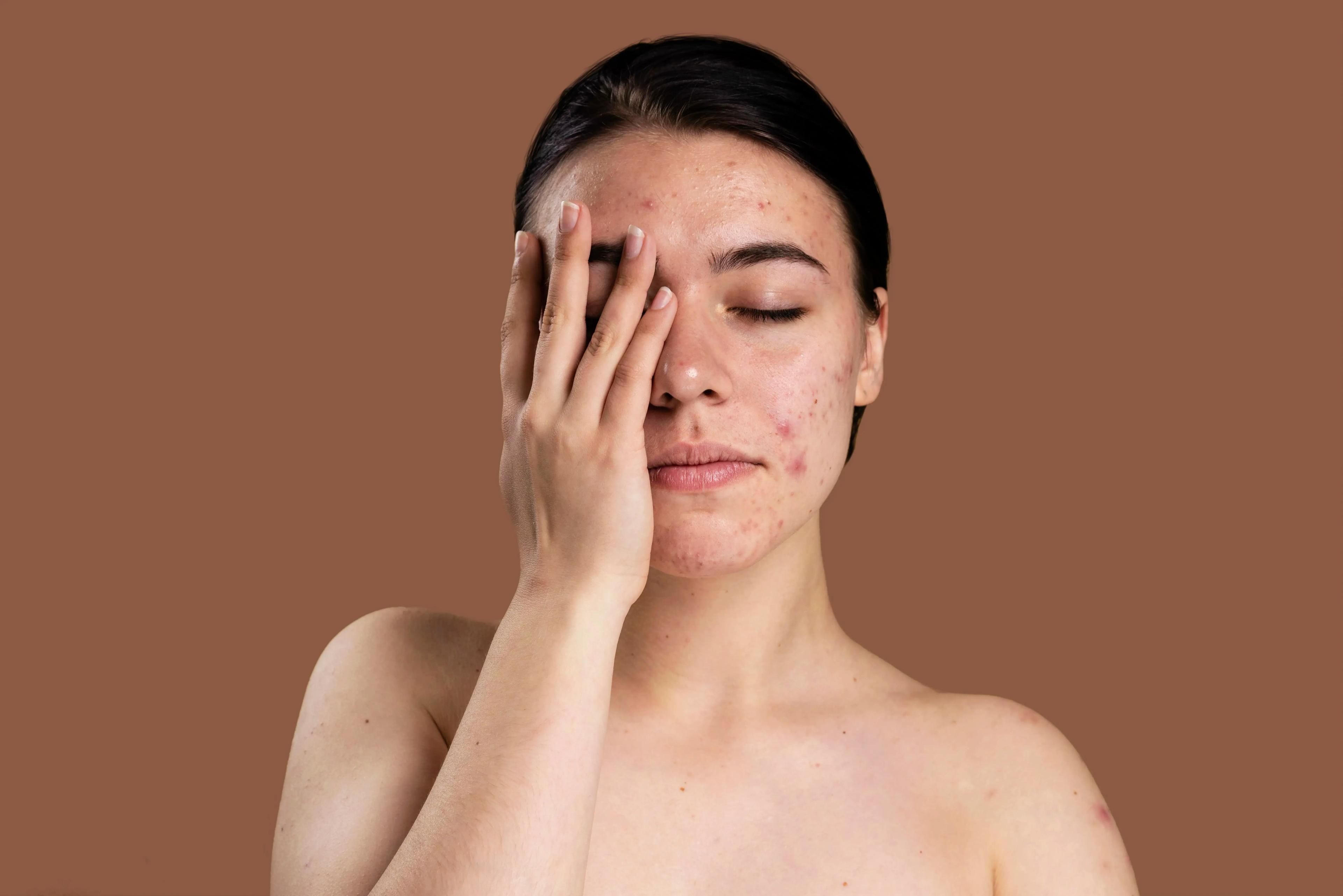
Acne is a common occurrence during teens, and researchers have predicted that it can affect from 35% to 90% adolescents. Acne is a skin issue in which the oil or sebum and dead skin cells block the hair follicles, resulting in Pimples, blackheads, whiteheads, or even cysts. Acne causes are excessive oil secretion, bacterial infection, hormone imbalances, and inflammation. Although a frequent companion during early teens, acne can affect all ages.
In this article, we will see the triggers, causes, and preventive tips to get rid of acne backed by research.
What Causes Acne?
Here are some of the main causes of acne on the face:
-
Hormonal Imbalance
Acne is strongly linked to androgen hormones, often called ‘male hormones,’ though they are present in both men and women. Testosterone is the key androgen that influences skin health. During puberty, pregnancy, the menstrual cycle, and even menopause, these hormone levels tend to fluctuate. That’s why many people notice their skin breaking out right before a period or during other hormonal shifts. Acne is also one of the common symptoms of PCOS (Polycystic Ovary Syndrome), a condition marked by elevated androgen levels.
When these hormones surge, they trigger inflammation and overstimulate the sebaceous glands, leading to excessive oil or sebum production. This excess oil changes skin cell activity and fuels bacterial growth inside the hair follicles, setting the stage for new breakouts.
-
Excess Sebum & Clogged Pores
Sebum itself is not harmful; it protects the skin from dryness and environmental stress. However, when it is produced in excess, it becomes problematic. Each hair follicle on the skin functions like a channel for both hair and oil. When a lot of sebum combines with dead skin cells that have not shed properly, the follicle becomes clogged.
Clogged follicles create closed comedones (whiteheads) or open comedones (blackheads). If bacteria are involved, the pore becomes inflamed and forms papules, pustules, or even nodules in more severe cases.
-
Bacterial Growth
The skin naturally hosts bacteria, including Cutibacterium acnes (previously called Propionibacterium acnes or P. acnes). Under normal conditions, these bacteria are harmless. But in clogged, oil-rich pores, they multiply rapidly. Their byproducts, such as fatty acids, irritate the surrounding skin and activate the immune system.
Environmental factors can worsen bacterial buildup. For example, sleeping on a dirty pillowcase or using unwashed makeup brushes traps sweat, oil, and dead skin cells, making it easier for bacteria to spread and clog pores.
-
Inflammation
When bacteria overgrow inside a clogged follicle, the body treats it like an infection. Your immune system responds by releasing white blood cells to the area to fight back. This defense mechanism increases blood flow, which is why pimples often look red, feel warm, and become swollen or painful.
In mild cases, this reaction leads to small pustules. In more severe cases, the inflammation spreads deeper into the skin, causing cysts or nodules that can linger longer and sometimes leave scars.
Common Acne Triggers
Here are a few common triggers of breakouts so that you can be a step ahead:
-
Diet and Lifestyle
Food plays a big role in how your skin behaves. Researchers have found that a low-glycemic diet, foods that don’t cause rapid blood sugar spikes, can help reduce breakouts. High-sugar foods trigger inflammation in the body and stimulate excess sebum (oil), which can clog pores. Dairy and heavily processed foods may also disrupt hormones and contribute to acne flare-ups.
Alcohol and smoking are two more factors that can worsen acne. Both promote inflammation and weaken your immune response, making it harder for your skin to heal and more likely to break out.
-
Stress and Sleep
Stress has a direct link to acne. When you’re under pressure, your adrenal glands release androgens, hormones that drive oil production. More oil means more clogged pores and more pimples.
Stress also activates the HPA axis (hypothalamic-pituitary-adrenal axis), which releases cortisol. This ‘stress hormone’ not only disrupts sleep but also makes skin more reactive and prone to breakouts.
-
Skincare and Cosmetic Products
Not every skincare or cosmetic product is acne-friendly. Some creams, lotions, or foundations contain comedogenic ingredients, meaning they block pores and trap oil. Over time, this leads to blackheads, whiteheads, and inflamed pimples. Even clean products can cause issues if tools like makeup brushes or sponges aren’t washed regularly, since they collect oil, bacteria, and dead skin cells.
-
Environmental Factors
Pollution, humidity, sweat, and constant friction can all trigger breakouts. Dust and pollution particles clog pores, while damp air and sweat create the perfect environment for bacteria to thrive. Everyday friction, from pillowcases, helmets, or even phone screens, can irritate the skin and worsen acne.
-
Medications and Health Conditions
Certain medications, such as hormone replacement therapy or steroids, can cause pimples as a side effect. Health conditions like PCOD (Polycystic Ovarian Disease) also raise androgen levels, increasing oil production and making skin more acne-prone.
Acne by Type & Location
Do you know all pimples are not the same? A papule on your forehead may be due to some haircare products, while that on your cheeks may be due to friction from your mobile phone. The location of the pimple may help you identify some hidden causes:
| Location | Most Likely Cause | Type of Acne | Response to Treatment |
|---|---|---|---|
| Forehead | Haircare products clogging pores | Regular (T-zone related) | Often improves with OTC products like salicylic acid cleansers or benzoyl peroxide gels |
| Cheeks | Friction from pillow covers or mobile phones | Regular (external trigger) | May improve with OTC products such as niacinamide serums or mild exfoliants |
| Chin & Jawline | Hormonal fluctuations, higher sebum production (common in PCOS or around periods) | Hormonal | Rarely improves with OTC; stubborn cases may need prescription options (e.g., hormonal therapy) |
| Back | Profuse sweating after workouts or hormonal changes | Often hormonal | May require prescription treatment |
| Chest | Excess oil production and clogged pores | Regular or hormonal | May respond to OTC products like salicylic acid body washes; consult a dermatologist if ongoing |
When to See a Dermatologist?
It’s normal to get a pimple once in a while, but if acne keeps returning, leaves scars, or affects your confidence, a dermatologist’s help can make all the difference. You should also seek care if you notice Cystic Acne, painful, deep-seated pimples that swell, fill with pus, and often leave marks if left untreated.
A dermatologist can diagnose the exact cause of your acne and create a treatment plan that suits your skin type, age, and severity. Professional care goes beyond quick fixes and works on long-term solutions.
Some treatments a dermatologist may recommend include:
-
Topical creams or gels such as benzoyl peroxide, adapalene, or tretinoin to reduce redness, oil, and clogged pores
-
Antibiotics like doxycycline or minocycline, if bacterial overgrowth is contributing to inflammation
-
Other oral medications, such as isotretinoin for severe cases, or hormonal treatments like birth control pills and spironolactone, to balance androgen levels
Getting the right guidance helps not only in clearing acne but also in protecting your skin from scarring and boosting your confidence.
Preventive Tips & Lifestyle Changes
Studies have found that indulging in skin care practices, following a balanced diet, and managing stress can help you avoid flare-ups. Here is a basic skin care routine to maintain skin health:
-
Cleanse: The first and foremost step is to regularly cleanse your skin with mild soap and water two times a day to get rid of dirt and excess oil.
-
Moisturize: Skin tends to get dry after cleansing; therefore, it is important to hydrate the skin with appropriate moisturizers.
-
Protect: Wear sunscreen during daytime even when it is cloudy, to prevent harmful UV ray damage.
And before going to bed, make it a ritual to remove all makeup, allowing your skin to breathe and repair overnight.
Diet and Hydration Tips
Keeping your body nourished from the inside reflects on your skin. Proper hydration and a balanced diet are two of the simplest yet most effective ways to support clear skin.
- Hydration: Aim to drink enough water throughout the day to keep your skin and body hydrated. You can also add water-rich fruits and vegetables like watermelon, cucumber, melon, and coconut to your meals and snacks; they refresh the body while supporting healthy skin.
- Balanced diet: Fill your plate with colorful fruits and vegetables, as they are packed with antioxidants that help protect the skin from inflammation and damage. Try to cut back on processed foods, high-sugar drinks, and excess alcohol, tobacco, or caffeine, since all of these can trigger hormonal shifts or spikes that worsen acne.
Stress Management
Stress is unavoidable in today’s lifestyle, but the way you manage it can make a big difference to your skin. Here are some ways to manage your stress:
-
Stay active: Walking, cycling, or yoga can help release stress and balance hormones
-
Practice mindfulness: Deep breathing and meditation calm the mind and support emotional well-being
-
Prioritize sleep: Aim for 7-8 hours of uninterrupted rest to allow the body and skin to repair
Avoid Triggers
It’s common to blame oily or fried foods for breakouts, but some everyday habits are just as important to watch. Mobile phones collect bacteria and transfer them to your face during calls, so cleaning your phone regularly can help prevent flare-ups. The fabric you sleep on also matters; cotton pillowcases can cause friction and irritation, while satin pillow covers are gentler on the skin and reduce the risk of acne.
FAQs
What is the main cause of acne?
If you keep pondering what causes acne, remember that it may occur due to multiple factors, including increased sebum or oil production, blocked pores due to the accumulation of dead skin cells, inflammation, etc. When a pore becomes clogged, it develops an environment where bacteria can multiply and cause red and painful pimples.
Can diet trigger a flare-up of acne?
Yes, diet can be responsible for a flare-up of acne, as certain food items increase inflammation inside the body and may be responsible for causing acne. A diet rich in high glycemic foods, dairy products, and processed foods is generally considered bad for people having acne as they contribute to excess oil production, clogged pores, hormonal fluctuations, and inflammation.
How do high-sugar food items like cake cause acne?
High-sugar food items like cake is a high glycemic index food that instantly spike blood sugar levels. Raised blood glucose levels cause inflammation and promote excess secretion of sebum or oil that can cause pimples.
How is stress related to acne?
Stress is a common trigger for skin breakouts as it is responsible for raised androgen levels, which in turn increase the sebum secretion.
Why do I get pimples around my period?
Acne has a strong relation with hormonal balance in the body, and the hormone levels change significantly around the menstrual cycle. Therefore, it is commonly observed that women are more prone to skin breakouts around their cycle.
What causes acne on the cheeks?
Acne on the cheeks is primarily caused due to excessive rubbing or friction against some substances, like pillow covers or mobile phones, while talking for long hours.
Conclusion
Acne happens when oil glands go into overdrive, pores get blocked, bacteria thrive, and stress throws your skin off balance. Everyday habits like sleeping on an unwashed pillowcase or forgetting to take off makeup can also fuel breakouts.
The foundation of healthy skin lies in simple, consistent care. Cleanse your face gently morning and night, remove makeup before bed, and stick to non-comedogenic products that keep pores clear. Drink enough water, fill your plate with colorful fruits and vegetables, and cut back on sugary or processed foods. Protect your skin with sunscreen every day, and give your body time to reset at night with calming practices like yoga, meditation, or deep breathing.
When acne becomes persistent, painful, or starts leaving scars, professional help is important. Clear Ritual takes this a step further by offering personalised acne care plans designed around your skin’s unique needs. With expert guidance you can trust, clearer and healthier skin becomes an achievable reality. Take our skin test and start your journey towards better skin today!
References
https://www.ncbi.nlm.nih.gov/books/NBK459173/
https://www.aad.org/public/diseases/acne/causes/diet
https://www.ncbi.nlm.nih.gov/books/NBK459173/
https://pmc.ncbi.nlm.nih.gov/articles/PMC10709101/
Editorial Standards
Clear Ritual has Strict sourcing guidelines to ensure our content is accurate and current. We rely on peer-reviewed studies, academic research institutions, and medical associations. We strive to use primary sources and refrain from using tertiary references. See a mistake? Learn More about our Editorial Standards.



