




Fungal Acne on Forehead: Why It Appears There
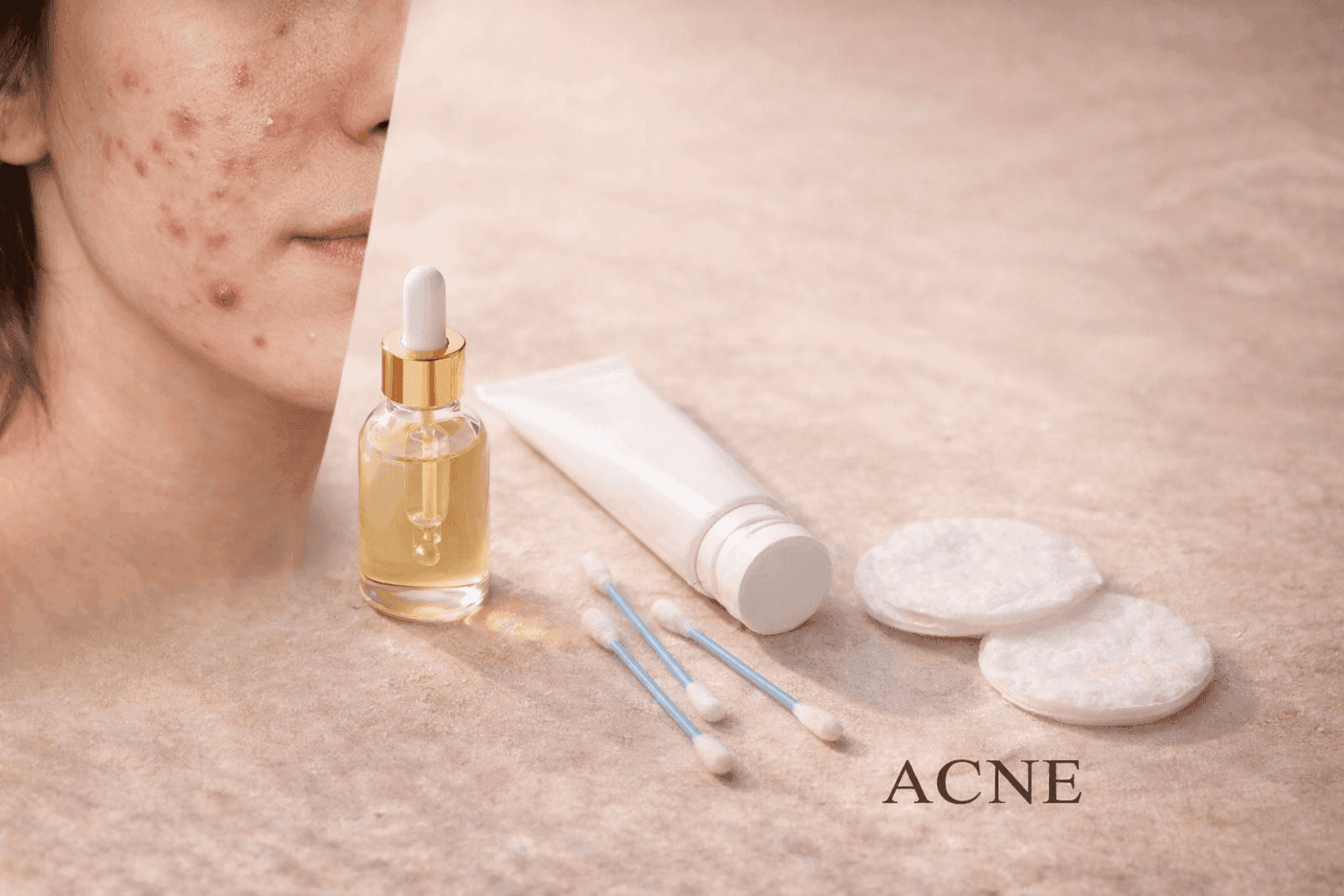
Fungal acne appears more frequently on the forehead because this area produces high amounts of sebum and traps sweat and oils under hair, hats, and headbands. The yeast Malassezia thrives in these warm, oily conditions, multiplying inside hair follicles and causing small, uniform bumps that resemble traditional acne but don't respond to standard acne treatments.
Key Takeaways:
- Fungal acne is caused by yeast overgrowth, not bacteria like regular acne
- The forehead provides an ideal environment due to oil production and occlusion
- It appears as clusters of small, itchy, uniform bumps
- Standard acne treatments often make it worse
- Heat, sweat, and occlusive products increase risk
- Professional evaluation helps distinguish it from bacterial acne
What Fungal Acne Actually Is
Fungal acne isn't technically acne at all. The medical term is pityrosporum folliculitis or Malassezia folliculitis. While traditional acne develops when bacteria called C. acnes multiply inside clogged pores, fungal acne occurs when yeast organisms from the Malassezia family overgrow inside hair follicles.
Malassezia naturally lives on everyone's skin as part of the skin microbiome. Under normal conditions, this yeast remains balanced with other microorganisms and causes no problems. When conditions shift in its favor, Malassezia multiplies rapidly, triggering inflammation inside the follicle that produces those characteristic bumps.
The confusion happens because both conditions produce small raised bumps on the skin. However, fungal acne creates a distinct pattern of small, uniform pustules that tend to cluster together, often accompanied by itching. Regular acne produces varied lesion types including blackheads, whiteheads, and larger inflamed pimples that appear more randomly distributed.
Why Your Forehead Becomes a Target Zone
The forehead represents prime real estate for Malassezia overgrowth due to several anatomical and lifestyle factors that converge in this area.
Sebaceous gland density runs particularly high across the forehead, which sits within the T-zone. These glands continuously produce sebum, an oily substance that protects and waterproofs skin. Malassezia feeds on the fatty acids and triglycerides in sebum, so areas producing more oil naturally support larger yeast populations.
Hair and styling products create occlusion across the forehead. When hair falls over your face or when you apply leave-in conditioners, oils, or styling creams, these products trap heat and moisture against the skin while depositing oils and silicones that Malassezia thrives on. Even hair touching your forehead throughout the day transfers oils and creates a warmer microenvironment.
Sweat accumulation happens readily on the forehead during exercise, heat exposure, or stress. Sweat increases skin surface humidity and slightly raises pH, both of which encourage yeast multiplication. When sweat mixes with sebum and sits on skin under hair or headwear, it creates an ideal fungal breeding ground.
Headwear and accessories like hats, headbands, visors, and even bike helmets create what dermatologists call occlusion. These items trap heat and moisture while preventing air circulation, allowing sweat and oils to accumulate rather than evaporate. The constant friction also irritates follicles, making them more susceptible to yeast invasion.
The Internal Follicle Environment
Understanding what happens inside the hair follicle explains why fungal acne behaves differently than bacterial acne.
Each follicle contains a hair shaft surrounded by a sebaceous gland that empties sebum into the follicle canal. Normally, sebum flows up and out onto the skin surface. When Malassezia populations explode, the yeast organisms colonize the follicle interior, feeding on sebum lipids and producing metabolic byproducts that irritate follicle walls.
The immune system recognizes this overgrowth as abnormal and sends inflammatory cells to the area. This immune response, rather than the yeast itself, creates the visible bumps and redness. The inflammation occurs deep within the follicle, which explains why fungal acne rarely develops the surface openings (whiteheads) or oxidized plugs (blackheads) common in bacterial acne.
The follicle becomes congested with yeast cells, sebum, and inflammatory debris, but without the bacterial enzymes that create the purulent material seen in traditional pimples. This creates those firm, uniform bumps that feel different from regular acne when you touch them.
Triggers That Amplify Forehead Fungal Acne
Certain behaviors and conditions shift the skin environment toward Malassezia overgrowth specifically in the forehead region.
Heavy cosmetic use, particularly thick foundations, primers, and sunscreens applied across the forehead, creates an occlusive barrier. Products containing oils, fatty acids, and certain esters provide direct nutrition for yeast while trapping moisture underneath. Many people apply these products more heavily to the forehead to control shine, inadvertently feeding the problem.
Antibiotic use for treating regular acne eliminates competing bacteria on the skin, removing organisms that naturally keep yeast populations in check. When bacterial numbers drop, Malassezia can multiply unchecked, often causing fungal acne to emerge during or after antibiotic treatment for bacterial acne.
Hot, humid environments accelerate sweat production and increase skin surface moisture. People living in tropical climates or experiencing humid summers often notice fungal acne worsens during these periods. The combination of heat, humidity, and increased sweating creates optimal yeast growth conditions.
Workout habits contribute when sweat sits on the forehead during extended exercise sessions or when you wear headbands and hats to the gym. Remaining in sweaty workout clothes or not cleansing immediately after exercise allows yeast to multiply in the warm, moist environment.
Immunosuppression from medications, chronic illness, or elevated stress hormones like cortisol can reduce the skin's ability to regulate microbial populations. When immune surveillance decreases, opportunistic organisms like Malassezia take advantage.
High-carbohydrate diets may influence fungal overgrowth, though the mechanism remains less direct than with bacterial acne. Some evidence suggests that elevated blood glucose and insulin levels alter sebum composition in ways that favor yeast growth, though more research is needed.
How Fungal Acne Differs From Bacterial Acne
| Feature | Fungal Acne | Bacterial Acne |
|---|---|---|
| Appearance | Uniform small bumps, clusters | Varied sizes, random distribution |
| Itching | Common, often intense | Rare or mild |
| Response to acne treatments | Worsens or no improvement | Usually improves |
| Comedones (blackheads/whiteheads) | Absent | Usually present |
Recognizing these differences prevents months of ineffective treatment. Many people apply benzoyl peroxide, salicylic acid, or take oral antibiotics for what they assume is regular acne, only to see the condition persist or worsen. Benzoyl peroxide and antibiotics target bacteria but don't address yeast, while some acne treatments contain ingredients that feed Malassezia.
The itching represents a particularly important distinguishing feature. While bacterial acne might feel tender or painful, it rarely itches. Fungal acne often produces persistent itching that worsens with heat and sweating.
What Happens When You Treat It Wrong
Using conventional acne treatments on fungal acne creates a frustrating cycle that often makes the condition worse.
Topical antibiotics eliminate surface bacteria that compete with Malassezia for resources. Without bacterial competition, yeast populations expand rapidly. People often notice their "acne" worsens or changes character during antibiotic treatment, with more uniform, itchy bumps replacing their previous breakouts.
Oil-based treatments and heavy moisturizers prescribed to combat the dryness from acne medications provide additional nutrition for yeast. Products containing fatty acids, esters, and certain oils literally feed the organisms causing the problem.
Extended use of occlusive ingredients in acne spot treatments, particularly when applied under makeup or sunscreen, traps moisture and creates the exact environment Malassezia prefers. The skin may initially seem to improve as inflammation temporarily decreases, but the underlying yeast overgrowth continues.
Physical extraction attempts on fungal acne bumps often prove futile because the lesions lack the extractable content of bacterial comedones. Squeezing and picking only damages the follicle wall, spreads inflammation, and potentially introduces secondary bacterial infection.
Early Recognition Patterns
Certain patterns suggest fungal rather than bacterial involvement, helping you identify the condition earlier.
The bumps appear suddenly and in large numbers rather than gradually developing over weeks. You might wake up noticing twenty or thirty small bumps across your forehead that weren't there a few days prior, particularly after a sweaty event, beach day, or period of wearing hats.
Distribution follows areas of occlusion or high sebum production. The bumps concentrate where hair touches skin, where headbands rest, or across the central forehead where oil glands are densest. The hairline, temples, and area just above the eyebrows often show the highest concentration.
Seasonal patterns emerge, with flares during summer humidity, after tropical vacations, or during periods of increased indoor heating that creates dry indoor air (prompting heavier moisturizer use). Some people notice fungal acne appears specifically during athletic training periods or after starting new hair products.
The lack of improvement despite good acne hygiene practices signals that something different is happening. If you're cleansing properly, avoiding pore-clogging products, and maintaining consistent skincare but still seeing these small, itchy bumps, fungal involvement becomes more likely.
First Steps Toward Management
While definitive treatment requires professional guidance, understanding the condition allows you to modify behaviors that feed the problem.
Reducing occlusion gives skin a chance to breathe and reduces the warm, moist environment yeast prefers. Pull hair back from your forehead when possible, minimize headband and hat wearing, and avoid hairstyles that keep hair constantly touching your face. When you must wear headwear, choose breathable fabrics and wash items frequently.
Immediate post-exercise cleansing prevents sweat and oils from sitting on skin. Even a simple water rinse helps if you can't do a full cleanse immediately. The goal is removing the warm, moist layer before yeast populations spike.
Product evaluation involves reading ingredient lists for Malassezia-feeding ingredients. Common culprits include lauric acid, myristic acid, palmitic acid, stearic acid, oleic acid, and many oils and fatty esters. Many websites maintain lists of fungal-acne-safe products, though individual responses vary.
Simplifying your routine temporarily reduces the number of potential feeding sources. Pare back to minimal products and avoid layering multiple skincare items on the forehead. Sometimes less is more when managing fungal overgrowth.
Avoiding heavy makeup on affected areas reduces occlusion and removes potential yeast nutrition sources. If you must wear foundation, choose lightweight, oil-free formulas and apply thin layers. Remove makeup thoroughly each evening.
When Professional Evaluation Becomes Essential
Several situations require dermatological assessment rather than self-management.
Persistent bumps that last beyond a few weeks despite modifying triggers and products may indicate you need targeted antifungal treatment or that the condition isn't fungal acne at all. Other conditions including bacterial folliculitis, rosacea, or allergic reactions can produce similar-looking bumps.
Spreading beyond the forehead to the chest, shoulders, or back suggests widespread Malassezia overgrowth that typically requires systemic treatment rather than topical approaches alone.
Increasing inflammation, pain, or signs of secondary infection like honey-colored crusting or spreading redness indicate the condition has become complicated and needs professional care.
Uncertainty about the diagnosis warrants evaluation because treating the wrong condition wastes time and potentially worsens your skin. Dermatologists can perform simple tests like KOH preparation or culture to identify yeast overgrowth definitively.
Previous treatment failures with both acne medications and antifungal approaches suggest a more complex picture that requires professional assessment to untangle.
The Skin Barrier Consideration
Chronic inflammation from untreated fungal acne gradually damages the skin barrier, creating additional problems beyond the visible bumps.
The barrier consists of specialized cells held together by lipid layers that prevent water loss and block irritants, allergens, and pathogens. Ongoing follicular inflammation disrupts these protective structures, increasing transepidermal water loss and making skin more reactive to previously tolerated products.
A compromised barrier also struggles to maintain proper pH and antimicrobial peptide production, both of which help regulate microbial populations naturally. This creates a vicious cycle where barrier damage allows more yeast overgrowth, which causes more inflammation and further barrier disruption.
Repairing the barrier becomes part of long-term management once the acute fungal overgrowth is controlled. This involves gentle cleansing that doesn't strip natural protective oils, appropriate moisturization that supports barrier lipids without feeding yeast, and protecting skin from environmental stressors that impair barrier recovery.
Understanding Internal Triggers: Clear Ritual's Perspective
Fungal acne on the forehead often reflects a complex interaction between external triggers like occlusion and sweating, and internal factors including hormonal fluctuations, immune function, stress response, and individual sebum composition. While modifying hair care routines, reducing headwear, and choosing appropriate skincare products can manage symptoms, these approaches may not address why your skin became susceptible to Malassezia overgrowth in the first place.
At Clear Ritual, we combine the best of three worlds - Ayurveda, modern dermatology, and advanced skin science - to understand individual triggers through a structured skin test. This comprehensive approach considers how your unique hormonal patterns, stress levels, dietary habits, and skin microbiome balance contribute to creating conditions where yeast populations can spiral out of control. Understanding these personalized triggers helps create long-term skin stability rather than just managing surface symptoms.
Frequently Asked Questions
Can fungal acne spread from one person to another?
No, fungal acne is not contagious. Malassezia yeast lives naturally on everyone's skin. Fungal acne develops when your individual skin environment allows this yeast to overgrow, not from contact with someone else's skin. However, sharing hats or headbands could theoretically transfer oils and sweat that create favorable conditions.
Why does my forehead fungal acne get worse at night?
Nighttime worsening often relates to lying on pillowcases that haven't been washed frequently, which transfers oils and yeast back to your skin. Additionally, night creams and sleeping masks tend to be more occlusive than daytime products. Your skin also increases cellular repair and oil production during sleep, potentially creating more favorable yeast conditions.
Does fungal acne always itch?
Not always, but itching is significantly more common with fungal acne than bacterial acne. The itching intensity varies from person to person and often increases with heat, sweating, or when the area is occluded. Some people describe it as a crawling sensation rather than classic itching.
Can I get fungal acne if I have naturally dry skin?
Yes, though it's less common. Fungal acne can develop on drier skin types, particularly when heavy moisturizers or oils are applied to combat dryness. The yeast feeds on these products rather than natural sebum. Additionally, forehead sebum production remains relatively high even in people with generally dry skin.
How long does fungal acne take to clear once properly treated?
With appropriate antifungal treatment, most people see significant improvement within two to four weeks. Complete clearance typically takes six to eight weeks. However, the underlying conditions that allowed overgrowth must be addressed, or recurrence is likely once treatment stops.
Will fungal acne leave scars on my forehead?
Fungal acne rarely scars because the inflammation stays relatively superficial compared to deep Cystic Acne. However, post-inflammatory hyperpigmentation (dark marks) can develop, especially in darker skin tones or if you've been picking at the bumps. These marks gradually fade over several months.
Can diet changes cure fungal acne?
Diet changes alone rarely cure fungal acne, though reducing high-glycemic foods may help by potentially altering sebum composition. The primary drivers remain external factors like occlusion and product use combined with individual susceptibility. Dietary modifications work best as part of a comprehensive approach addressing all triggers.
Why did I suddenly develop fungal acne when I never had it before?
Sudden onset typically follows a change in conditions: starting new hair products, increased hat wearing, beginning antibiotics for other acne, moving to a more humid climate, increased exercise without prompt cleansing, or starting heavier skincare products. Sometimes multiple small changes accumulate to tip the balance toward yeast overgrowth.
Editorial Standards
Clear Ritual has Strict sourcing guidelines to ensure our content is accurate and current. We rely on peer-reviewed studies, academic research institutions, and medical associations. We strive to use primary sources and refrain from using tertiary references. See a mistake? Learn More about our Editorial Standards.



