




Symptoms of Acne Prone Skin
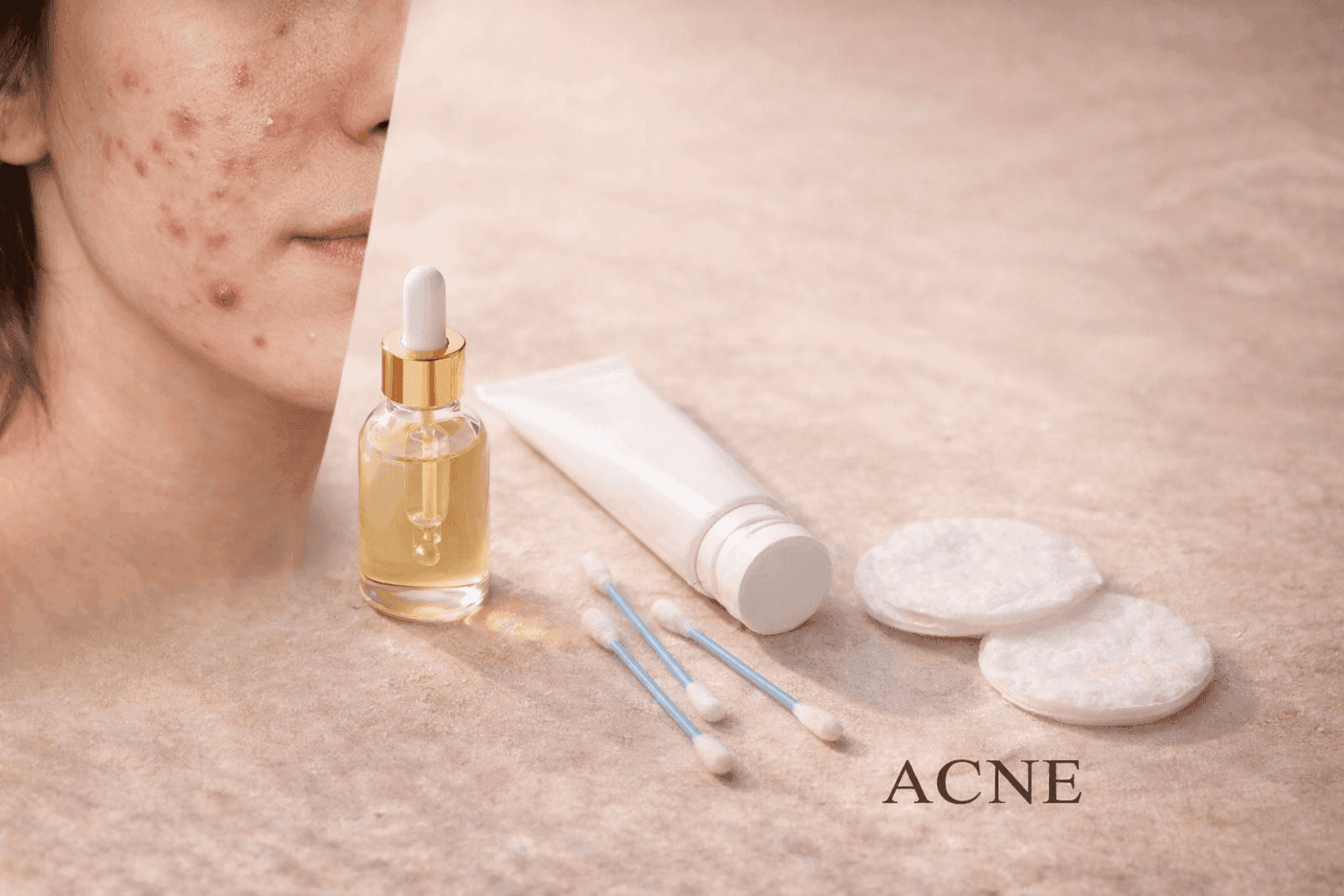
Acne prone skin produces excess oil, experiences frequent pore blockages, and shows a pattern of recurring breakouts - not just occasional Pimples. This happens when sebaceous glands overreact to hormones, dead skin cells accumulate faster than they shed, and inflammation becomes a repeating cycle rather than an isolated event.
Key Takeaways:
- Acne prone skin consistently produces more sebum than the skin can manage effectively
- Pore congestion happens when dead skin cells mix with oil and create plugs
- Inflammation triggers range from bacteria overgrowth to hormonal fluctuations
- Early symptoms include persistent oiliness, rough texture, and comedones
- Understanding your specific triggers helps break the recurrence pattern
What Makes Skin Acne Prone
Acne prone skin operates differently at a physiological level. The sebaceous glands respond more aggressively to androgens, particularly during hormonal shifts. This creates an environment where oil production exceeds what the pore opening can handle. When dead keratinocytes - the protein-rich skin cells that normally shed invisibly - stick together instead of sloughing off, they mix with sebum and form microscopic plugs.
The skin's natural turnover process becomes disrupted. Instead of a smooth cycle where cells move from the basal layer to the surface and detach, cells accumulate within the follicle. This creates the perfect breeding ground for Cutibacterium acnes bacteria, which thrive in oxygen-poor, oil-rich environments. As these bacteria multiply, they trigger an immune response that brings inflammation, swelling, and the visible lesions we recognize as acne.
Early Warning Signs
The first indicators of acne prone skin often appear before obvious breakouts develop. Your skin may feel persistently oily, especially across the T-zone, even after cleansing. This isn't just surface oil - it reflects active sebaceous gland behavior beneath the skin. You might notice your face feels slick within an hour or two of washing, or that blotting papers fill quickly throughout the day.
Texture changes signal developing issues. Running your fingers across your forehead, nose, or chin reveals tiny bumps that aren't quite pimples yet. These represent microcomedones - early-stage blockages forming inside pores. The skin may feel slightly rough or uneven, like fine sandpaper, particularly in areas where oil glands concentrate.
Pore visibility increases as follicles stretch to accommodate excess sebum and cellular debris. What looked like smooth skin begins showing more pronounced openings, especially around the nose and cheeks. These aren't actually pores "opening" but rather becoming more apparent as they fill with material.
Visible Acne Symptoms
Comedonal Acne
blackheads and whiteheads represent non-inflammatory acne lesions. Blackheads form when pores remain open at the surface while plugged below - the dark appearance comes from oxidized melanin and sebum, not dirt. Whiteheads develop when the pore closes over the blockage, creating small, flesh-colored bumps. Both types indicate that the keratinization process inside follicles has gone wrong.
These comedones cluster where sebaceous glands are most active: the forehead, nose, chin, and sometimes the jawline. They persist because the underlying trigger - whether hormonal stimulation, inadequate exfoliation, or barrier disruption - continues driving the same problematic process.
Inflammatory Lesions
When bacteria proliferate within blocked pores, the immune system responds with inflammation. Papules appear as small, red, tender bumps without a visible head. These represent early inflammatory responses where white blood cells have rushed to the follicle but haven't formed pus yet.
Pustules develop when the immune response intensifies, creating visible white or yellow centers filled with dead white blood cells, bacteria, and cellular debris. The surrounding skin becomes red and swollen as inflammatory mediators like cytokines flood the area.
Nodules and cysts represent deeper, more severe inflammation. These painful lesions form when the follicle wall ruptures below the skin surface, spilling contents into the surrounding dermis. The body walls off this material, creating firm lumps that linger for weeks and often leave marks behind.
Physical Sensation Patterns
Acne prone skin doesn't just look different - it feels different. The skin may feel tender before lesions become visible, as inflammation builds beneath the surface. You might notice specific areas feeling warm or sensitive to touch, signaling that a papule or pustule is forming.
Some people experience itching, particularly as comedones develop or when the skin barrier becomes compromised. This isn't just discomfort - it indicates that the skin's protective function has weakened, allowing irritants to penetrate more easily and trigger nerve responses.
Tightness after cleansing often accompanies acne prone skin, especially when people over-wash trying to control oil. This paradoxical sensation happens when harsh cleansing strips lipids from the skin surface, triggering both barrier disruption and reactive sebum production. The skin feels simultaneously dry on the surface and oily underneath.
Pattern Recognition Across Locations
| Face Zone | Common Symptoms | Typical Triggers |
|---|---|---|
| Forehead | Closed comedones, small papules | Hair products, stress hormones, inadequate cleansing |
| Nose | Blackheads, visible pores | High sebaceous gland density, incomplete oil removal |
| Cheeks | Inflammatory papules, pustules | Friction from phones or pillows, dairy sensitivity |
| Chin and Jawline | Cystic lesions, nodules | Hormonal fluctuations, particularly androgens |
Where acne appears provides clues about contributing factors. Forehead breakouts often correlate with hairline products migrating onto skin or inadequate cleansing that leaves sweat and oil behind after exercise. The occlusive nature of styling products creates an environment where follicles become blocked more easily.
Cheek acne frequently connects to external friction - repeated pressure from phones held against the face, or sleeping on the same side night after night. These mechanical triggers combine with any existing tendency toward oil production and inflammation. Some people notice correlations between cheek breakouts and dairy consumption, though this varies individually.
Jawline and chin lesions typically reflect hormonal influences, as androgen receptors concentrate in this area's sebaceous glands. Women often notice these breakouts intensifying before menstrual periods or during times of hormonal transition. The deep, painful nature of Cystic Acne in this zone reflects how hormones drive both oil production and inflammation simultaneously.
Accompanying Skin Changes
Acne prone skin rarely shows only active breakouts. Post-inflammatory marks persist long after lesions heal, ranging from red or purple spots to brown hyperpigmentation. These marks occur because inflammation triggers melanocyte activity and damages small blood vessels. The deeper the original inflammation, the longer these marks linger.
Texture irregularities develop over time as repeated inflammation damages the dermal structure. You might notice slight indentations where cysts formed, or raised areas where the healing process produced excess collagen. The skin's surface becomes less uniform, reflecting the cumulative impact of inflammatory cycles.
Skin reactivity increases as the barrier function weakens. Products that previously caused no issues may suddenly trigger stinging or redness. This happens because compromised barrier integrity allows ingredients to penetrate more deeply while simultaneously making the skin more vulnerable to irritation.
Trigger Amplification
Acne prone skin doesn't exist in isolation - environmental and lifestyle factors amplify the underlying tendency. Sleep deprivation elevates cortisol levels, which stimulates sebaceous glands and promotes inflammation throughout the body, including skin. Even one night of poor sleep can trigger a cascade that manifests as increased oiliness or new lesions within days.
High glycemic foods spike insulin and insulin-like growth factor, both of which enhance androgen activity. This doesn't mean sugar directly causes acne, but rather that it amplifies the hormonal signals that drive oil production in susceptible skin. The effect compounds when high-sugar diets become habitual rather than occasional.
Over-washing and aggressive exfoliation disrupt the acid mantle and lipid barrier, even though they're often attempted as solutions. When the skin barrier breaks down, transepidermal water loss increases, triggering a compensatory increase in sebum production. Meanwhile, the weakened barrier allows bacteria to proliferate more easily and makes the skin more reactive to its own oil and normal skin flora.
Cyclical Nature and Persistence
One defining characteristic of acne prone skin is recurrence. Unlike occasional breakouts that resolve and stay resolved, acne prone skin shows repeating patterns. You might clear one area only to develop new lesions nearby, or notice that the same spots break out repeatedly. This happens because the underlying factors - hormonal sensitivity, altered keratinization, bacterial colonization - remain active even when visible symptoms temporarily improve.
The inflammatory response itself becomes problematic over time. Repeated inflammation creates a state of chronic low-grade immune activation, where the skin remains in a heightened reactive state. This explains why acne prone skin often shows redness even between active breakouts and why new lesions develop more easily than they would in non-prone skin.
When Symptoms Indicate Professional Help
Certain symptoms signal that self-management isn't sufficient. Cystic acne requires intervention because the deep inflammation damages dermal structures and leads to permanent scarring. If you're developing painful nodules or cysts, particularly ones that persist for weeks, professional treatment can prevent long-term skin damage.
Widespread or worsening acne despite consistent basic care suggests that the triggers exceed what routine skincare can address. This might indicate hormonal imbalances, medication side effects, or other systemic factors that require medical evaluation.
Rapid onset acne, especially in adults who previously had clear skin, sometimes signals underlying health changes. Sudden hormonal shifts, new medications, or systemic conditions can manifest as unexpected acne development.
Significant emotional impact justifies seeking help regardless of acne severity. When breakouts affect your confidence, social engagement, or mental wellbeing, treatment becomes important for quality of life, not just physical symptoms.
Understanding Symptom Variations
Not everyone with acne prone skin experiences symptoms identically. Some people develop primarily comedonal acne with minimal inflammation, while others quickly progress to painful cysts with few blackheads or whiteheads. These variations reflect differences in how individual skin responds to the same basic process of follicle blockage.
Seasonal fluctuations affect many people, with symptoms worsening during humid summers when sweat mixes with sebum, or during dry winters when barrier disruption triggers reactive oil production. Temperature and humidity changes alter how skin functions, affecting both sebum consistency and the rate of cellular turnover.
Age influences symptom presentation. Teenage acne often appears across the forehead and cheeks with mixed comedones and inflammatory lesions, driven primarily by pubertal hormone surges. Adult acne concentrates more around the jawline and chin, with deeper lesions reflecting ongoing hormonal influences combined with cumulative barrier damage and stress impacts.
The Skin Barrier Connection
The relationship between acne prone skin and barrier function creates a challenging cycle. When breakouts occur, people often increase cleansing frequency or use harsh treatments, which strip the barrier of protective lipids. This triggers several problematic responses: the skin loses water faster, becomes more sensitive to irritants, allows easier bacterial penetration, and responds by producing more sebum to compensate for lost surface lipids.
A compromised barrier also affects the skin's natural antimicrobial defenses. When the acid mantle is disrupted and the lipid structure breaks down, the skin becomes less able to regulate bacterial populations naturally. This creates conditions where acne-associated bacteria thrive while beneficial microbiome members struggle.
Understanding Internal Triggers: Clear Ritual's Perspective
While addressing surface symptoms provides temporary relief, acne prone skin typically involves multiple internal factors working together - androgens stimulating oil glands, inflammatory pathways remaining activated, stress hormones disrupting normal skin cycles, and nutritional influences affecting cellular behavior. Topical products manage visible symptoms but may not identify why your specific skin behaves this way.
At Clear Ritual, we combine principles from Ayurveda, modern dermatology, and advanced skin science to understand individual trigger patterns through a structured skin assessment. This approach recognizes that two people with similar-looking acne may have completely different underlying drivers. Identifying your specific combination of hormonal patterns, inflammatory triggers, and lifestyle factors helps create strategies that address root causes rather than just managing recurring symptoms.
Frequently Asked Questions
How do I know if my skin is actually acne prone or just experiencing temporary breakouts?
Acne prone skin shows consistent patterns over months rather than isolated incidents. If you develop breakouts regularly in the same areas, notice persistent oiliness that returns quickly after cleansing, or see recurring comedones even with good skincare habits, your skin likely has an underlying tendency. Temporary breakouts typically resolve completely and don't return in predictable patterns.
Can acne prone skin improve permanently or is it a lifelong condition?
The tendency toward overactive sebaceous glands and reactive follicles often improves with age as hormone levels stabilize, typically after the mid-twenties. However, management strategies remain important since the underlying susceptibility persists even when symptoms quiet. Many people find their skin becomes significantly easier to manage over time, especially when they identify and avoid their specific triggers.
Why does my acne prone skin get worse when I try new treatments?
Aggressive treatments often disrupt the skin barrier, triggering inflammation and reactive oil production that worsen symptoms temporarily. Additionally, some active ingredients cause a "purging" phase where existing microcomedones accelerate to the surface. This differs from true irritation. Distinguishing between necessary adjustment periods and harmful reactions requires understanding your skin's specific responses.
Is oily skin always acne prone, and does dry skin ever develop acne?
Oily skin faces higher risk because excess sebum contributes to pore blockages, but oil alone doesn't cause acne - it requires the combination of altered keratinization, bacterial activity, and inflammation. Dry skin can absolutely develop acne, particularly when barrier disruption triggers both dehydration and compensatory oil production in specific areas. Some people experience combination patterns with dry cheeks but acne-prone T-zones.
How quickly should I expect symptoms to improve with proper care?
Skin cell turnover takes approximately 28 days, meaning visible changes from any approach require at least this long to manifest. Inflammatory lesions may calm within a week, but comedones take longer to clear, and deeper cysts might persist for weeks even with appropriate care. Realistic expectations involve gradual improvement over two to three months rather than overnight changes.
Can stress alone cause acne prone skin symptoms to flare?
Stress elevates cortisol, which directly stimulates sebaceous glands and promotes inflammatory pathways throughout the body. While stress alone doesn't create acne prone skin, it significantly amplifies existing tendencies. People often notice breakouts appearing several days after stressful events, reflecting the lag between hormonal changes and visible skin responses.
Why do some areas of my face break out repeatedly while others stay clear?
Sebaceous gland density varies across the face, with higher concentrations in the T-zone. Additionally, androgen receptors cluster more densely in jawline areas, making these zones more responsive to hormonal fluctuations. Repeated breakouts in the same spots also occur because follicles that have experienced inflammation become more susceptible to future blockages and immune responses.
Do blackheads mean my skin is dirty or that I'm not cleansing properly?
Blackheads form when sebum and dead cells oxidize in open pores - the dark color comes from melanin and oxidized lipids, not dirt. Proper cleansing helps prevent accumulation, but blackheads persist primarily because of how quickly your skin produces oil and how cells behave inside follicles. Even perfectly clean skin develops blackheads when the underlying keratinization process remains problematic.
Editorial Standards
Clear Ritual has Strict sourcing guidelines to ensure our content is accurate and current. We rely on peer-reviewed studies, academic research institutions, and medical associations. We strive to use primary sources and refrain from using tertiary references. See a mistake? Learn More about our Editorial Standards.



