




Can Medications Cause Acne Understanding Drug-Induced Breakouts
Introduction: When Acne Isn’t Just About Hormones or Skincare
Most people associate acne with hormones, diet, or poor skincare routines. But sometimes, medications prescribed for other health issues can unexpectedly trigger acne. This condition, known as drug-induced acne, occurs when a medication alters skin balance, oil production, or immune function.
Understanding which medications cause acne, how to identify drug-related breakouts, and what to do about them is crucial for managing both your health and your skin.
What Is Drug-Induced Acne?
Drug-induced acne is a type of acneiform eruption (acne-like condition) triggered by certain medications. Unlike typical acne, which often has multiple causes (hormones, diet, stress), drug-induced acne usually appears suddenly after starting a new prescription.
Why It Differs from Traditional Acne
Traditional acne develops gradually and varies with lifestyle or hormonal changes. Drug-induced acne, on the other hand, often looks uniform (similar-sized bumps) and may appear on unusual areas of the body, such as the chest, back, or arms.
How Medications Can Trigger Breakouts
Hormonal Imbalances Caused by Medications
Some drugs alter hormone levels—raising androgens or disrupting estrogen balance which increases oil production and leads to acne.
Changes in Oil Production and Skin Barrier
Certain medications stimulate sebaceous glands, while others weaken the skin barrier, making pores more prone to clogging.
Immune System and Inflammatory Responses
Drugs that affect the immune system can also increase inflammation, a key factor in acne flare-ups.
Common Medications Linked to Acne
Corticosteroids and Steroid-Induced Acne
Steroids (used for asthma, arthritis, or inflammation) are a well-known cause of acne. Steroid-induced acne often appears as red, inflamed Pimples on the chest and back.
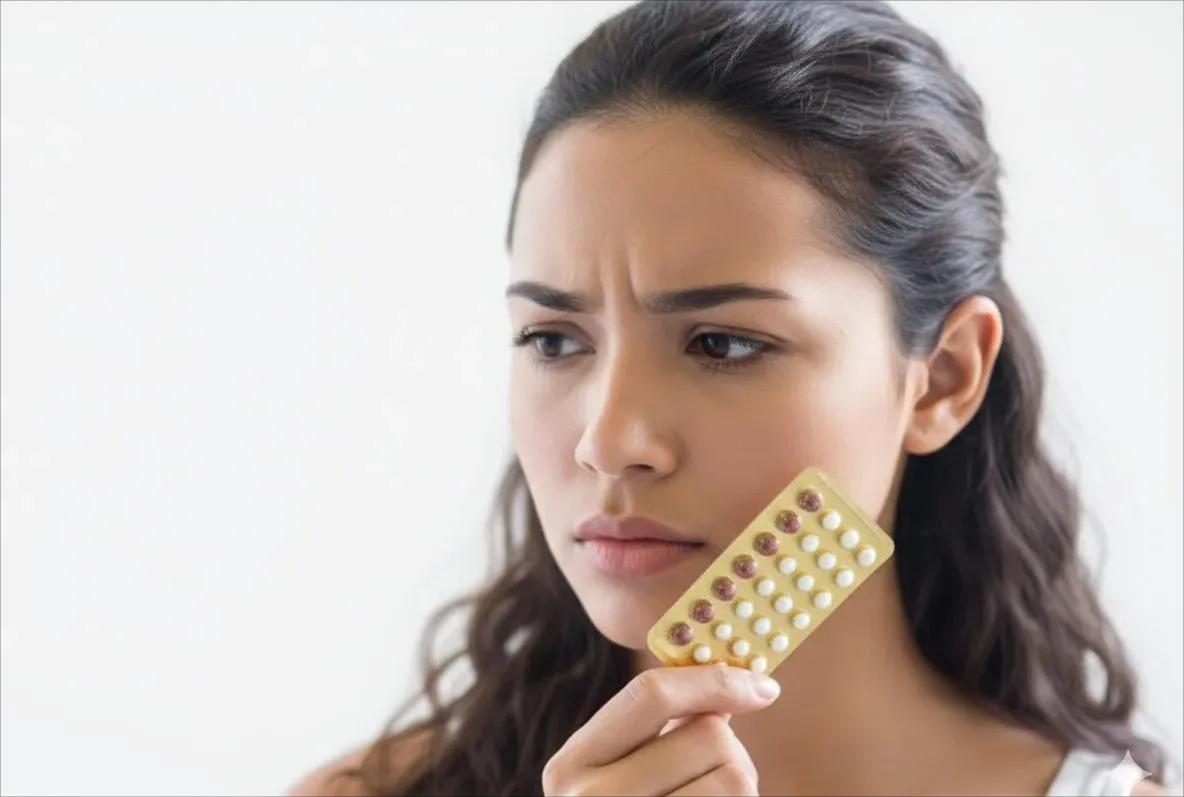
Hormonal Treatments and Birth Control Pills
Some birth control pills improve acne, while others worsen it depending on their hormonal composition. Testosterone-based medications or anabolic steroids can also trigger breakouts.
Antidepressants and Anti-Anxiety Medications
While rare, some mood-stabilizing medications may influence hormones or stress responses, indirectly causing acne.
Anti-Epileptic and Neurological Drugs
Medications like phenytoin and lithium have been linked to persistent acne-like eruptions.
Antibiotics and Their Impact on Skin Flora
Ironically, long-term antibiotic use may disrupt gut and skin microbiomes, leading to new breakouts once treatment stops.
Other Drugs (TB, HIV, Cancer Treatments)
Certain strong medications used for tuberculosis, HIV therapy, or chemotherapy can cause drug-induced acne as a side effect.
What Drug-Induced Acne Looks Like
Key Signs and Symptoms
-
Sudden onset after starting a new medication
-
Uniform lesions (all pimples look similar)
-
Red, inflamed bumps or pustules
Areas of the Body Most Affected
Unlike hormonal acne, drug-induced acne often affects the chest, shoulders, back, and arms, though the face can be involved too.
How to Tell If Your Acne Is Medication-Related
Tracking New Breakouts After Starting Medication
If acne appears within days or weeks of starting a new prescription, it may be drug-related.
Consulting a Dermatologist or Physician
Never stop a prescribed medication without medical advice. Instead, consult your doctor to evaluate whether an alternative is possible.
Managing Drug-Induced Acne
Adjusting or Switching Medications (With Doctor Approval)
If the medication is essential, your doctor may adjust the dose or switch you to a less acne-triggering option.
Skincare Routines That Help
-
Gentle, non-comedogenic cleansers
-
Oil-free moisturizers
-
Sunscreen suitable for acne-prone skin
Medical Treatments: Topicals and Oral Options
Dermatologists may recommend retinoids, benzoyl peroxide, or oral antibiotics to control breakouts. In stubborn cases, isotretinoin may be considered.
Myths and Misconceptions About Medication-Related Acne
“Stopping the Drug Will Instantly Clear Acne”
Not true. Acne may persist for weeks or months after discontinuing a medication, depending on how long the drug remains in the body.
“All Medications Cause Acne”
False. Only certain medications have acne as a side effect. Many prescriptions have no impact on skin health.
Visit our articles for more related topics and detailed skincare guides.
FAQs on Medications and Acne
1. Which medications are most commonly linked to acne?
Steroids, lithium, and some anti-seizure drugs are among the top culprits.
2. Will my acne go away if I stop the medication?
It often improves, but sometimes acne lingers due to long-term hormonal or immune effects.
3. Can topical treatments control drug-induced acne?
Yes, topical retinoids, salicylic acid, and benzoyl peroxide often help.
4. Should I stop taking my medication if it causes acne?
Never stop without consulting your doctor. Alternatives may be available.
5. How quickly does drug-induced acne appear?
Breakouts usually start within a few days to weeks after beginning the medication.
6. Can diet or skincare prevent drug-induced acne?
They can help manage symptoms but may not fully prevent breakouts if the medication is the main cause.
Conclusion: Balancing Health and Skin Care
Yes, some medications can cause acne. Known as drug-induced acne, this condition is usually temporary and manageable with the right approach. Identifying the medication trigger, adjusting treatment (under medical supervision), and following an acne-friendly skincare routine can greatly reduce its impact.
The key is balance prioritizing your overall health while managing your skin with the support of a dermatologist.
For expert guidance, visit the American Academy of Dermatology.
Editorial Standards
Hims & Hers has Strict sourcing guidelines to ensure our content is accurate and current. We rely on peer-reviewed studies, academic research institutions, and medical associations. We strive to use primary sources and refrain from using tertiary references. See a mistake? Learn More about our Editorial Standards.



