




Causes of Acne Prone Skin
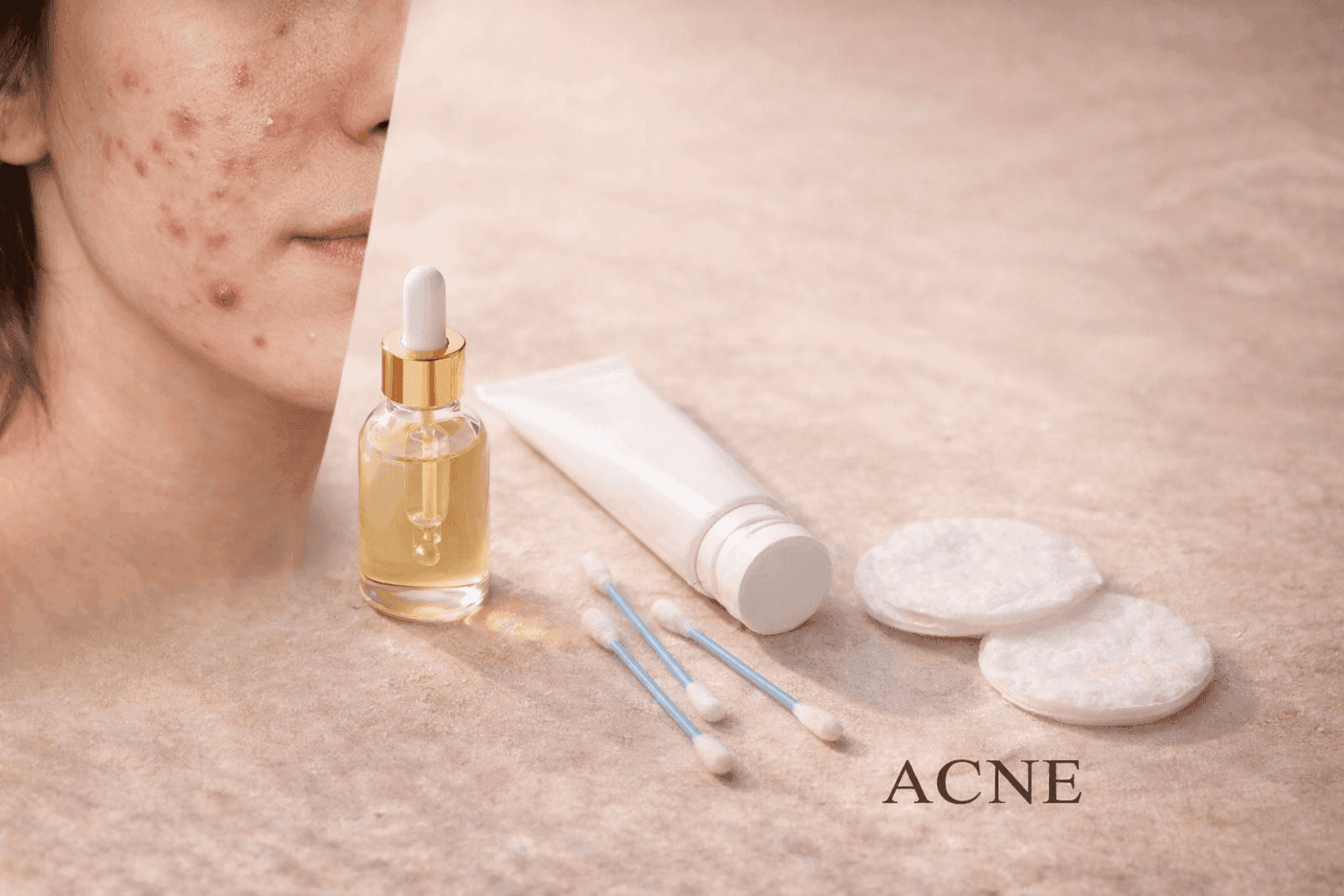
Acne prone skin develops when oil glands become overactive, dead skin cells accumulate inside pores, and inflammation gets triggered. This happens due to a combination of hormonal shifts, genetic factors, lifestyle habits, and external irritants that disrupt your skin's natural balance.
Key Takeaways:
- Acne occurs when excess sebum, dead cells, and bacteria clog hair follicles
- Hormones, stress, diet, and skincare habits can all trigger or worsen breakouts
- Understanding your specific triggers helps manage long-term skin health
- Skin barrier damage from over-cleansing often makes acne worse
- Internal factors like hormones and inflammation play major roles
What Actually Happens Inside Acne Prone Skin
Your skin contains thousands of tiny hair follicles, each connected to sebaceous glands that produce oil called sebum. In healthy skin, this oil flows smoothly to the surface, keeping skin protected and hydrated. When you have acne prone skin, this process breaks down.
The follicle opening becomes blocked by a combination of excess sebum and dead skin cells that haven't shed properly. This creates an oxygen-poor environment where specific bacteria, particularly Cutibacterium acnes, can multiply rapidly. Your immune system responds to this bacterial overgrowth by sending inflammatory signals, which causes the redness, swelling, and sometimes pain associated with Pimples.
The severity depends on how deep the inflammation goes. Surface-level blockages create blackheads and whiteheads, while deeper inflammation leads to papules, pustules, nodules, or cysts.
Primary Internal Causes
Hormonal Fluctuations
Androgens, particularly testosterone and its derivative DHT, directly stimulate your sebaceous glands to produce more oil. This explains why acne commonly appears or worsens during puberty, menstrual cycles, pregnancy, and perimenopause.
When androgen levels rise, your oil glands enlarge and become more active. The sebum composition may also change, becoming thicker and more likely to trap dead cells inside pores. Women with polycystic ovary syndrome often experience persistent acne because of elevated androgen levels throughout their cycle.
Cortisol, your primary stress hormone, also affects skin. Chronic stress keeps cortisol levels elevated, which increases inflammation throughout your body and triggers oil production. You might notice breakouts appearing during exam periods, work deadlines, or emotionally challenging times.
Genetic Predisposition
Your DNA influences how your sebaceous glands respond to hormones, how quickly your skin cells shed, and how aggressively your immune system reacts to bacteria. If both parents had acne, you have a significantly higher chance of developing it.
Genetics also determine your baseline inflammation levels and how efficiently your skin barrier repairs itself after damage. Some people naturally produce more inflammatory compounds in response to the same triggers that barely affect others.
Inflammation Pathways
Acne is fundamentally an inflammatory condition, not just a cosmetic issue. Even before you see a visible pimple, inflammatory processes have already started inside the follicle.
Your skin cells produce signaling molecules called cytokines when they detect bacteria or damage. These cytokines attract immune cells to the area, causing swelling and redness. In acne prone skin, this inflammatory response often becomes excessive or prolonged, which explains why some pimples take weeks to fully resolve.
Certain inflammatory markers remain elevated in acne prone skin even when no active breakouts are visible, keeping your skin in a constant state of low-grade inflammation.
External Triggers That Worsen Acne
Skincare Product Interactions
Heavy moisturizers, makeup, and sunscreens containing comedogenic ingredients can physically block pores. Ingredients like coconut oil, cocoa butter, and certain silicones create an occlusive layer that traps sebum and dead cells underneath.
Conversely, stripping your skin with harsh cleansers or using too many exfoliating acids disrupts the lipid barrier. When your skin barrier becomes compromised, transepidermal water loss increases, triggering compensatory oil production. Your skin essentially tries to protect itself by making more sebum, which feeds into the acne cycle.
Overuse of active ingredients creates micro-inflammation and irritation that your skin interprets as damage, ramping up defensive responses that include increased cell turnover and oil production.
Environmental Factors
Pollution particles, particularly fine particulate matter, settle on skin and generate free radicals. These oxidative stress molecules damage cell membranes and trigger inflammatory pathways. Pollution also oxidizes sebum on your skin surface, making it more irritating and comedogenic.
High humidity environments increase sweating, which can dilute and spread bacteria across your skin surface. Sweat also contains salts and metabolic waste products that irritate pores when they evaporate and become concentrated.
UV exposure initially seems to improve acne because it has mild antibacterial effects and creates a tan that masks redness. However, sun damage thickens the outer layer of skin over time, making it harder for sebum to exit pores smoothly. UV radiation also generates inflammation and free radicals that worsen acne in the long term.
Mechanical Irritation
Repeated friction from face masks, phone screens, headbands, or chin straps creates what dermatologists call acne mechanica. The constant pressure and rubbing damage the follicle wall, making it easier for contents to leak into surrounding tissue and trigger inflammation.
Touching your face transfers bacteria and oils from your hands while physically pushing surface debris into pores. Picking or squeezing pimples ruptures the follicle wall beneath the surface, spreading bacteria and inflammatory contents into surrounding tissue, which often creates larger, deeper lesions.
Lifestyle and Dietary Influences
Nutrition Patterns
High glycemic foods like white bread, sugary snacks, and processed cereals cause rapid blood sugar spikes. Your body releases insulin to manage this glucose, and insulin stimulates both oil production and androgen activity. Over time, frequent insulin spikes can contribute to insulin resistance, which further elevates androgens.
Dairy products, particularly skim milk, contain hormones and bioactive molecules that may influence your own hormone levels. Dairy also contains proteins that trigger insulin-like growth factor production, which stimulates sebaceous glands.
Not everyone responds to these dietary triggers equally. Some people see dramatic improvement when eliminating dairy or sugar, while others notice no change at all.
Sleep Quality
During deep sleep, your body repairs skin tissue and regulates hormone production. Sleep deprivation disrupts this process and elevates cortisol levels. Studies show that poor sleep quality correlates with increased inflammatory markers and worse acne severity.
Inadequate sleep also impairs your skin barrier function, making it more vulnerable to bacterial invasion and moisture loss. The circadian rhythm disruption affects how your sebaceous glands regulate oil production throughout the day.
Hydration Status
Dehydration concentrates sebum, making it thicker and more likely to clog pores. When skin cells lack adequate water, they don't shed properly, contributing to follicle blockages. Chronic dehydration also impairs your skin's ability to maintain its protective barrier.
Microbiome Imbalance
Your skin surface hosts billions of microorganisms that normally exist in balanced communities. Acne prone skin often shows reduced microbial diversity, with Cutibacterium acnes becoming disproportionately dominant.
Aggressive cleansing, antibacterial products, and harsh treatments can wipe out beneficial bacteria that normally compete with acne-causing strains. This creates an opportunity for problematic bacteria to establish themselves more firmly.
Your gut microbiome also influences skin health through the gut-skin axis. Imbalances in intestinal bacteria affect systemic inflammation levels, immune function, and even how your body processes and eliminates hormones.
Recognizing Your Specific Pattern
| Acne Pattern | Common Trigger Areas | Potential Connection |
|---|---|---|
| Jawline and chin | Hormonal | Androgen sensitivity, menstrual cycle |
| Forehead and nose | Oil production | Sebaceous gland density, hair products |
| Cheeks | External factors | Phone contact, pillowcase, skincare |
| Back and chest | Sweat and friction | Athletic wear, backpack straps, body products |
Understanding where your breakouts concentrate provides clues about underlying causes. Hormonal acne typically appears along the lower face and jawline, following the distribution of hormone-sensitive oil glands in those areas.
Forehead breakouts often relate to hair care products that migrate onto facial skin or inadequate cleansing of the hairline. Cheek acne may indicate contact irritants, while body acne frequently results from occlusive clothing or products that trap sweat against skin.
Early Warning Signs
Before full pimples develop, acne prone skin often shows subtle changes. You might notice skin feeling rougher or developing a grainy texture as dead cells begin accumulating. Small flesh-colored bumps indicate clogged pores that haven't become inflamed yet.
Increased oiliness, especially if it appears suddenly or in new areas, suggests your sebaceous glands are becoming more active. Skin that feels tight or dry despite appearing oily might indicate barrier damage that triggers compensatory oil production.
Persistent redness or areas that feel warm to the touch signal underlying inflammation, even without visible pimples. These signs suggest your skin's inflammatory pathways are activated and likely to produce breakouts soon.
What Helps Create Stability
Gentle, consistent cleansing removes excess oil and surface debris without stripping protective lipids. The goal is cleaning, not sterilizing. Your skin needs some oil and beneficial bacteria to function properly.
Maintaining skin barrier integrity helps regulate oil production and prevents bacteria from penetrating deeper layers. This means avoiding over-exfoliation and using appropriate moisturizers even on oily skin.
Managing stress through consistent sleep schedules, regular movement, and stress-reduction practices helps regulate cortisol and other hormones that influence oil glands and inflammation.
Identifying and minimizing your specific dietary triggers can reduce systemic inflammation and hormone fluctuations, though this requires careful observation since individual responses vary significantly.
When to Seek Professional Guidance
If breakouts persist despite consistent gentle care for three months, professional evaluation becomes important. Deep, painful nodules or cysts that don't come to a head can cause permanent scarring and indicate severe inflammation that needs targeted treatment.
Sudden onset of severe acne, especially if accompanied by other symptoms like irregular periods or unusual hair growth, may indicate hormonal conditions requiring medical assessment.
Acne that significantly affects your emotional wellbeing or daily activities deserves professional support regardless of severity. Effective treatments exist, and you don't need to struggle with persistent breakouts alone.
Any signs of infection, including spreading warmth, increasing pain, or fever, require prompt medical attention.
Understanding Internal Triggers: Clear Ritual's Perspective
While topical treatments, dietary changes, and home remedies can help manage acne symptoms, they often provide temporary relief without addressing the complete picture. Acne prone skin develops from multiple interconnected factors including hormonal patterns, inflammation levels, barrier function, stress response, nutritional status, and genetic predisposition. At Clear Ritual, we combine the best of three worlds - Ayurveda, modern dermatology, and advanced skin science - to understand individual triggers through a structured skin test. This approach recognizes that two people with similar-looking breakouts may have completely different underlying causes. Understanding your specific combination of triggers, rather than following generic advice, supports more stable long-term skin health and helps identify which interventions will actually work for your unique situation.
Frequently Asked Questions
Can stress alone cause acne if I've never had it before?
Stress doesn't create acne prone skin by itself, but it can trigger breakouts in people who have the genetic and physiological predisposition. Elevated cortisol increases oil production and inflammation, which may reveal underlying acne tendency that wasn't previously active.
Why does my skin get worse when I start taking better care of it?
Initial worsening often happens because active ingredients increase cell turnover, bringing existing blockages to the surface faster. This purging phase typically lasts two to four weeks. However, true irritation from incompatible products causes new inflammation and worsens over time rather than improving.
Does drinking more water actually help acne prone skin?
Adequate hydration supports overall skin function and helps maintain barrier integrity, but water alone won't clear acne. Dehydration can worsen breakouts by thickening sebum and impairing cell shedding, so proper hydration creates better conditions for skin stability without being a standalone solution.
Is acne different in your twenties and thirties compared to teenage acne?
Adult acne often has stronger hormonal components, appears more along the jawline and chin, and may be more persistent but less severe than teenage acne. Adult skin also tends to be drier, making many traditional acne treatments too harsh and requiring gentler approaches.
Can changing my pillowcase really make a difference?
Clean pillowcases reduce bacterial transfer and prevent redepositing oils, skincare products, and hair products onto your face during sleep. While this alone won't cure acne, it removes one contributing factor and supports overall skin hygiene as part of a comprehensive approach.
Why do some pimples hurt but never come to a head?
Deep inflammatory nodules develop when the follicle ruptures below the skin surface, causing inflammation in surrounding tissue without creating a visible surface opening. These lack the fluid-filled center of pustules because the inflammatory response is deeper within skin layers.
Does sweating make acne worse or help clean out pores?
Sweating itself doesn't clean pores. While exercise benefits skin through improved circulation and stress reduction, sweat sitting on skin can irritate pores and spread bacteria. The key is cleansing relatively soon after sweating and wearing moisture-wicking fabrics during exercise.
How long does it typically take to see improvement with lifestyle changes?
Skin cells turn over approximately every 28 days, so you need at least one full cycle before seeing changes. Most people notice initial improvements within six to eight weeks of consistent changes, with continued progress over three to four months as deeper patterns shift.
Editorial Standards
Clear Ritual has Strict sourcing guidelines to ensure our content is accurate and current. We rely on peer-reviewed studies, academic research institutions, and medical associations. We strive to use primary sources and refrain from using tertiary references. See a mistake? Learn More about our Editorial Standards.



