




Understanding Body Acne: Causes, Triggers and Treatments
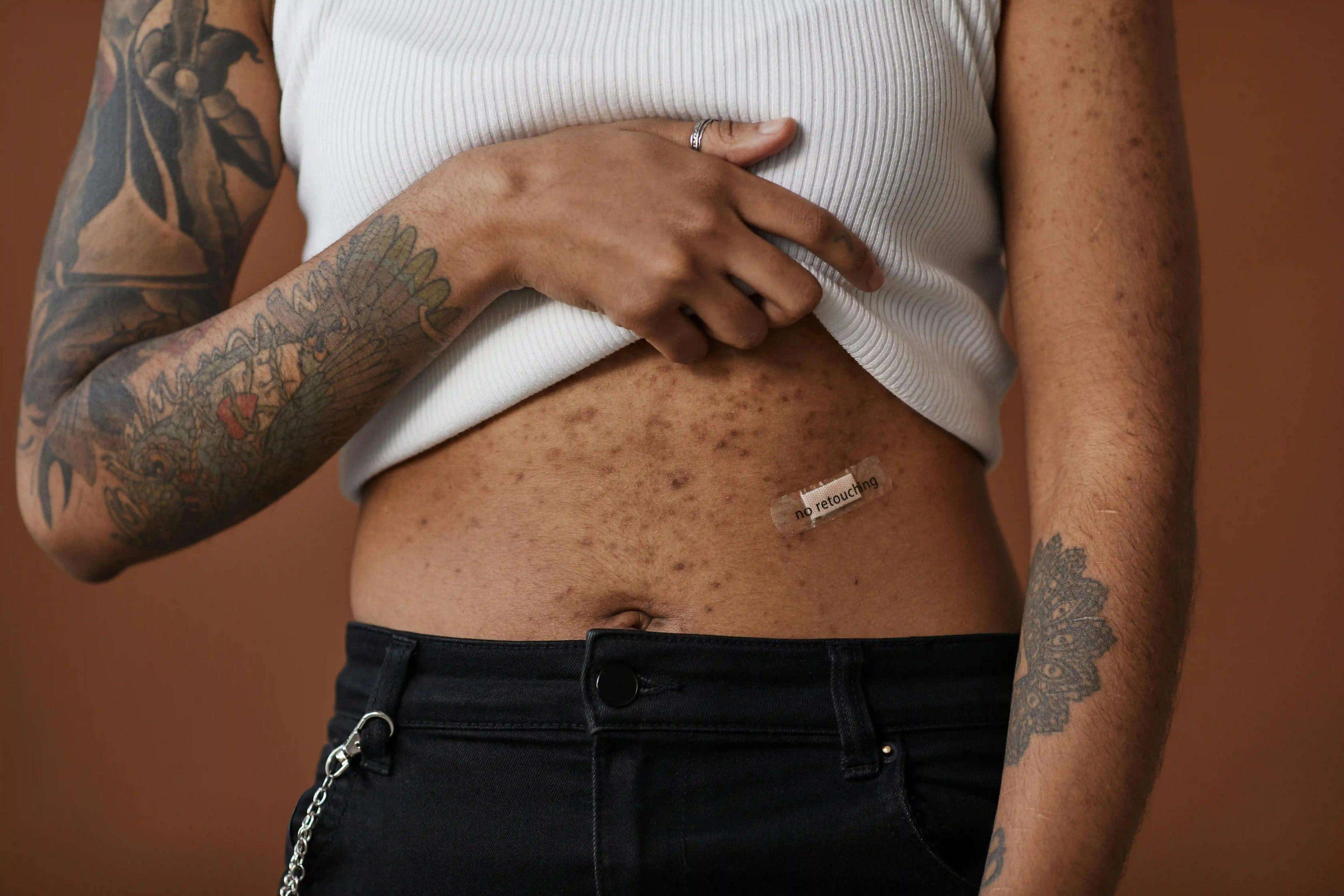
One of the most common yet least discussed issues of the skin is body acne, which is also referred to as "bacne" when located on the back. Besides the back, chest, shoulders, and arms are also prone to breakouts. They are indeed as annoying as facial acne, but they are nowhere near as discussed.
The main culprits for body acne are an overabundance of oil, bacteria, dead skin cells and sweat. There are additional oil glands on the skin on the back and chest, making them more prone to inflamed deep acne as compared to the face.
Body acne occurs when oil, dead skin cells, and bacteria clog pores on the back, chest, shoulders, and arms. These clogged pores can appear as whiteheads, blackheads, or inflamed Pimples. Sweat, tight clothing, hormonal changes, stress, and genetics can further worsen breakouts.
Body acne can impact your comfort, self-esteem and lifestyle and it is nowhere near a cosmetic problem for some. However, the good news is that there are treatment options available and these can be implemented quite effortlessly. By understanding the triggers, causes and treatment, you will not have to deal with acne for the rest of your life.
Relying on trial-and-error acne treatments isn't effective. To resolve body acne treatments quicker, knowing why body acne develops helps counter it more effectively.
What Causes Body Acne?
Most cases of body acne are not the result of one specific issue, but rather the product of numerous biological, genetic and environmental factors. Here's what's happening beneath the skin that causes body acne:
Excess Sebum and Clogged Pores
The upper body parts, mainly the shoulders and back, are the most shallowly clothed spots on the body. Thus, during the day, they tend to sweat the most. The most active and largest oil-producing glands also tend to reside in the back and shoulders; their excessive secretion of oil can cause pores to get clogged, thus giving rise to acne.
Hormonal Factors
Hormones play an important role when it comes to balancing the oil glands and any fluctuation can lead to the appearance of acne and pimples.
The oil glands on the skin produce sebum and excess oil that may clog the pores and result in the formation of acne. These oil glands are mainly controlled by hormones such as androgens. These hormones tend to spike in puberty, menstruation, stress and pregnancy, thus triggering the greater-than-usual secretion of oil.
Another hormone that regulates the oil glands is cortisol, commonly known as the stress hormone. This also enhances the inflammation and oiliness, resulting in acne. Besides, there are women who suffer from chest and back acne due to hormonal imbalance in the case of PCOS, that changes the level of hormones.
Bacterial Overgrowth
Bacterial overgrowth is another major cause of body acne. This is because of the overgrowth of the bacteria Cutibacterium acnes (formerly Propionibacterium acnes), which naturally live on the skin. Sometimes, they can get trapped in pores, resulting in the formation of acne, or this can lead to an inflammation reaction in the body and cause cysts.
Genetics and Skin Type
Having a parent with a history of acne can put you at a greater risk of having it too. Some people have more sensitive oil glands, resulting in more oil production. Also, skin that is oily and thicker on the back and shoulders results in unclogged of pores.
Body skin is also thicker and has a slightly different pH compared to facial skin, which can make body acne more persistent and harder to treat.
Common Triggers That Worsen Body Acne
Even if you are predisposed to acne, certain habits and environmental factors can make it worse.
Clothing and friction
Tight-fitting sports bras, synthetic exercise clothing, or heavy bags that are classed as backpacks can rub on the skin, irritate it and cause more sweating, which can lead to a skin condition referred to as acne mechanica. So, wearing porous, breathable fabric and not staying in sweaty clothes for long can help.
Sweat
Exercise is a good thing and it's good for the body as well, so it's not the exercise that is the enemy of acne. It's the sweat that is the problem. If the skin is not cleansed post-exercise and the sweat, oil and bacteria form on the skin, the pores are blocked. Not having a shower after exercise or wearing exercise clothing for a long time is a guarantee for breakouts.
Skincare and hair products
Acne can be exacerbated by heavy lotions, sunscreen and conditioners that clog pores. Soem of your hair products can run down and coat the shoulders and back with oil while bathing, which feeds bacteria. This lead to the formation of acne. So, for those who are susceptible to breakouts and acne, it is better to use non-comedogenic and oil-free products.
Diet and lifestyle factors
Diet and lifestyle factors are also responsible for the formation of body acne. This is because:
-
High-glycemic index foods, like white bread, sugary foods and soda, are linked to higher rates of acne.
-
Dairy, especially skim milk, is another food that causes breakouts for some people.
-
Both alcohol and chronic stress are inflammatory and can worsen the severity of acne.
High stress levels, certain dietary habits, and poor hygiene routines can contribute to worsening body acne by increasing inflammation and oil production.
How Body Acne Differs by Area
Even though the underlying mechanisms are the same, acne can behave differently depending on the area in which it appears.
| Area | Causes / Triggers | Key Characteristics | Care |
|---|---|---|---|
| Back (Bacne) | Clothing friction and large oil glands | Deep and more painful breakouts | Consistent cleansing, breathable clothing, targeted acne treatments |
| Chest | Warmth, sweating, hormones | Frequent flare-ups | Use light moisturizers, regular cleansing, avoid oil-heavy products |
| Shoulders | Backpacks, bra straps, tight gym attire | Breakouts often aggravated by constant rubbing | Minimize friction, wear looser clothing, combine with gentle topical acne treatments |
| Arms | Sometimes, folliculitis rather than acne | Resembles acne, but due to follicle irritation | Gentle exfoliation, antimicrobial washes, proper diagnosis to distinguish from acne |
How to Get Rid of Body Acne?
Body acne can be irritating. It comes with a lot of challenges; however, there are a number of effective body acne treatments:
Skin Care Routine
A gentle body cleanser that contains salicylic acid or benzoyl peroxide can be used for treating these acne, as they control the oil production and prevent pores from clogging. Daily washing helps prevent pore blockage, advanced apoptosis of the bacteria. Excoriatory methods for pricking the acne safely may be used one to two times during a given seven-day period.
Targeted topical treatment
Tretinoin or topical adapalene, the origin of topical retinoids, can be used for persistent cases of acne. Tretinoin gives deep pore penetration and unclogs the pores to prevent the formation of acne. Besides this, there are many people who have used tea tree oil for acne treatment as it possesses incredible antibacterial properties.
Oral treatments
The inflammation and bacterial overgrowth are commonly treated by dermatologists with the use of antibiotics. These antibiotics control bacterial growth and treat the acne caused by overgrowth.
Also, for women, the hormonal therapies such as birth control pills and spironolactone therapy can control hormonal surges and oil overproduction. This also treats body acne effectively.
Lifestyle changes
Preventing acne on the body can be achieved by showering soon after exercise, frequent washing of exercise clothing and resisting the urge to pop or squeeze pimples. Small changes, such as changing to a lighter sunscreen or allowing your hair to completely dry before it is let down, tend to the skin on the back can yield great benefits over the long term.
How to Prevent Body Acne?
-
Reduce the friction and sweating, consider wearing more relaxed clothing.
-
Allocate a specific and detailed skin care regimen for your skin type and stick to it.
-
Avoid the use of exfoliants as they can inflame the skin.
-
Practice a balanced diet and hydration.
Engage in physical activities, meditation and relaxing hobbies to assist in stress management.
Switching to loose-fitting, breathable fabrics such as cotton or moisture-wicking athletic materials can help reduce heat, friction, and sweat buildup that trigger body acne.
When to See a Dermatologist?
If the home remedies you have tried have been unsuccessful, seek help from a dermatologist in the following cases:
-
If you have severe, cystic, or painful acne.
-
If you have any form of scarring and or notice dark spots.
-
If you have tried over-the-counter medicines for over a period of 8-12 weeks.
-
If you have an underlying issue, such as a hormonal disorder.
Conclusion
Body acne is relatively easy to treat and control. Reducing and preventing breakouts can be accomplished by understanding the causes and recognizing your triggers. However, following a steady treatment plan that is customized from platforms like Clear Rituals that utilizes a skin test to understand the root cause and treat it accordingly can help you treat them better.
Healing takes 6-12 weeks and is a gradual process. Patience is essential, as is seeking help from a dermatologist if you've done everything else.
FAQs
Is body acne different from facial acne?
Yes. Body acne is different from facial acne, as the body parts besides the face have thicker skin and deeper pores. This is why body acne needs stronger products for treatment and prevention.
Can tight workout clothes cause acne?
Yes, it can be due to chafing friction coupled with sweat and trapped heat. This is referred to as acne mechanica and that’s why it is recommended to wear breathable clothes and not too tight clothes.
How long does it take for body acne to clear?
Clearing body acne may depend upon the type of acne and your skin type as well. Mild body acne can clear in 4 to 6 weeks, while moderate to severe acne can take 3 months or more.
How to prevent body acne from occurring?
To prevent body acne, you should wear breathable clothes, take bath post workout or sweating, eat healthy, maintain a good lifestlyle and also use products that suits your skin type the most.
Editorial Standards
Clear Ritual has Strict sourcing guidelines to ensure our content is accurate and current. We rely on peer-reviewed studies, academic research institutions, and medical associations. We strive to use primary sources and refrain from using tertiary references. See a mistake? Learn More about our Editorial Standards.



