




Oily Skin and Comedonal Acne
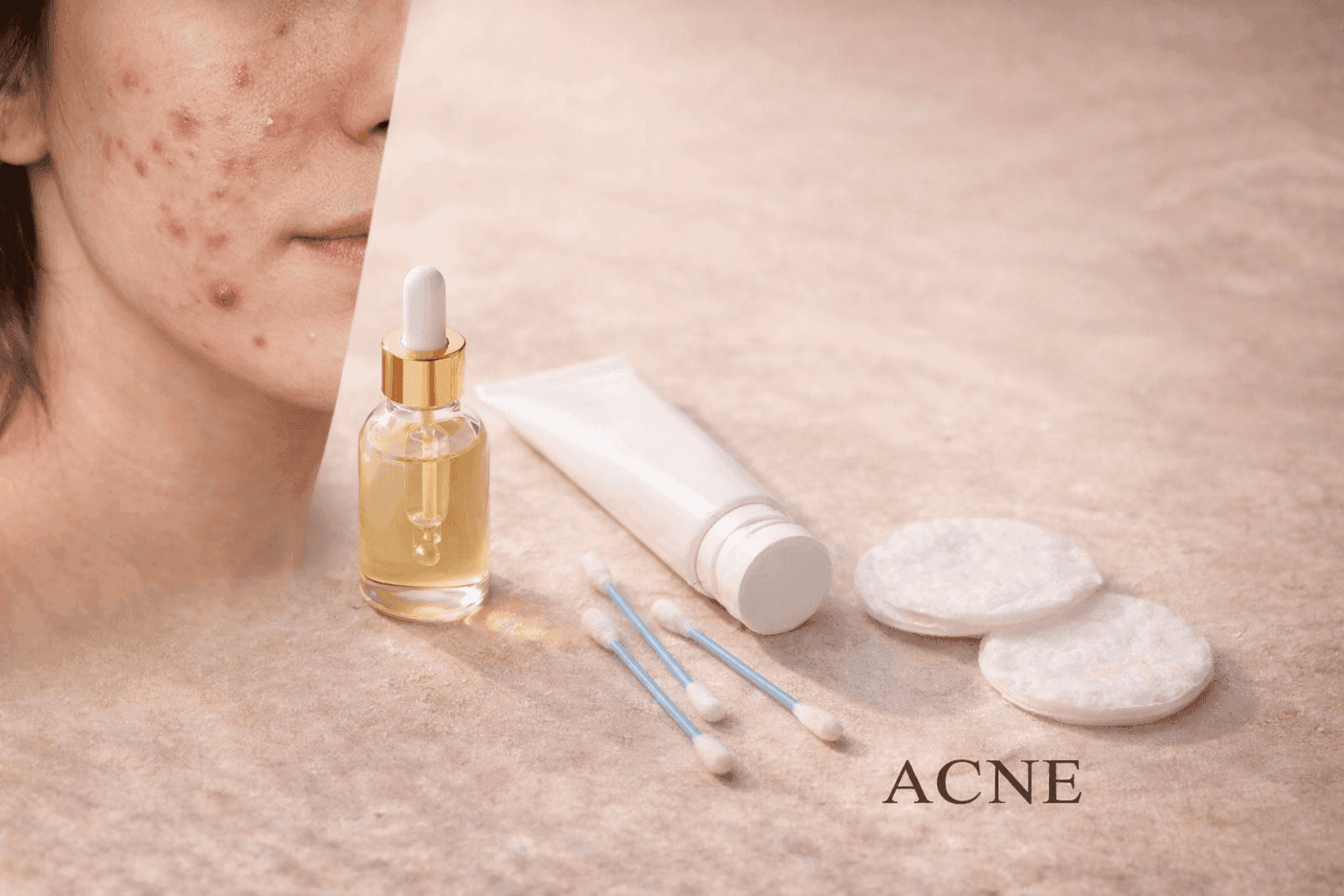
Oily skin and comedonal acne appear together because excess sebum production creates the perfect environment for comedones - clogged pores filled with oil, dead skin cells, and debris. When oil glands overproduce sebum, pores become overwhelmed, leading to non-inflammatory bumps that feel rough and look like small flesh-colored or white bumps across the skin.
Key Takeaways:
- Comedonal acne forms when excess oil mixes with dead skin cells and clogs pores
- Oily skin doesn't always cause acne, but it increases comedone formation risk
- Overwashing oily skin can paradoxically trigger more oil production
- Most comedones are non-inflammatory but can progress to inflamed acne
- Both internal factors (hormones, stress) and external habits (product choice, cleansing) influence this pattern
What Exactly Are Comedones
Comedones are the earliest visible sign of acne formation. They appear as small bumps that occur when a hair follicle becomes plugged with sebum and dead skin cells. Unlike inflamed Pimples, comedones don't contain bacteria or show redness initially.
There are two main types. Closed comedones, often called whiteheads, remain under the skin surface and appear as small white or flesh-colored bumps. Open comedones, known as blackheads, have an opening at the skin surface where the trapped material oxidizes and turns dark brown or black - not from dirt, but from a chemical reaction with air.
The texture of skin with comedonal acne feels rough and bumpy, especially across the forehead, nose, chin, and cheeks. Many people describe it as sandpaper-like skin that doesn't look severely inflamed but never feels smooth.
Why Oily Skin Creates Comedones
Sebaceous glands produce sebum, an oily substance that normally protects and moisturizes skin. In oily skin types, these glands work overtime, flooding pores with more oil than necessary. This excess creates a sticky environment inside the follicle.
Skin cells naturally shed and renew constantly. In normal conditions, these dead cells rise to the surface and flake away unnoticed. When excess sebum is present, dead cells stick together instead of shedding properly. They mix with the oil and form a plug that blocks the pore opening.
The follicle continues producing both oil and cells, but with nowhere to go, the material accumulates. This creates pressure and stretches the pore, forming the visible bump we recognize as a comedone. The longer this plug remains, the larger and more visible it becomes.
The Cycle That Keeps Comedones Coming Back
Understanding why comedones persist requires looking at the renewal cycle of skin. The journey from a healthy pore to a clogged one doesn't happen overnight - it's a gradual process influenced by daily habits and internal factors.
When oil production stays consistently high, each pore faces constant pressure. Even after a comedone is extracted or naturally expelled, the same pore can refill within weeks if oil levels remain elevated. This creates the frustrating pattern where skin briefly improves, then returns to the same bumpy texture.
Hormonal fluctuations play a significant role here. Androgens, hormones present in all genders, directly stimulate sebaceous glands. During puberty, menstrual cycles, pregnancy, or periods of stress, androgen levels shift and oil production surges. This explains why comedonal acne often worsens at predictable times.
Cortisol, the stress hormone, adds another layer. Chronic stress keeps cortisol elevated, which influences both oil production and skin cell turnover. Sleep deprivation compounds this effect - during deep sleep, skin repairs and balances itself. Without adequate rest, the renewal process becomes irregular, and dead cells accumulate faster than they shed.
External Factors That Worsen the Comedone Trap
While internal triggers set the stage, daily habits and environmental exposures determine whether comedones multiply or stay manageable.
Heavy cosmetic products create occlusion, meaning they physically block pore openings. Thick foundations, silicone-heavy primers, and oil-based moisturizers designed for dry skin can suffocate oily skin. Even non-comedogenic labeled products may trigger issues in particularly reactive skin. The key isn't avoiding all products but choosing formulations that match oil levels.
Cleansing habits present a paradox. Insufficient cleansing leaves oil, sweat, and environmental debris on the skin, contributing to pore congestion. However, over-cleansing strips the skin barrier of its protective lipid layer. When this happens, the skin perceives dehydration and responds by producing even more oil - a rebound effect that worsens the original problem.
Hot water and harsh scrubbing damage the skin barrier similarly. What feels like deep cleaning actually irritates the skin surface, triggering inflammation and increased oil flow as a protective response.
Pollution particles settle on skin throughout the day, mixing with sebum to form a sticky film. In urban environments, this combination of oil and airborne debris creates a particularly stubborn type of pore congestion. UV exposure thickens the outer skin layer and alters oil composition, making it stickier and more likely to trap debris.
Friction from face masks, headbands, helmets, or even resting your face in your hands transfers bacteria and oil while creating pressure that pushes material deeper into pores. This mechanical factor explains why comedones often cluster in areas of repeated contact.
How Diet and Hydration Influence Oil Production
The connection between what you consume and skin oil levels operates through several pathways. High glycemic foods - refined sugars, white bread, processed snacks - cause rapid blood sugar spikes. These spikes trigger insulin release, which in turn stimulates androgen production and sebaceous gland activity. The result appears on your skin as increased oiliness within hours.
Dairy products, particularly skim milk, have shown associations with acne in multiple studies. The proposed mechanism involves naturally occurring hormones in milk and compounds that influence insulin-like growth factor, both of which can amplify sebum production. Not everyone reacts to dairy, but for those who do, the effect on oil levels can be substantial.
Dehydration creates a confusing scenario. When skin cells lack water, they become irregularly shaped and don't shed smoothly. This irregular shedding increases the likelihood of pore blockages. Meanwhile, the skin may actually increase oil production attempting to compensate for water loss, creating simultaneously dehydrated and oily skin - a common but frustrating combination.
Omega-3 fatty acids from fish, flaxseed, and walnuts help regulate inflammation and may influence sebum composition, making it less sticky and easier to drain from pores naturally.
The Skin Barrier's Role in Managing Oily Skin
The skin barrier, primarily composed of ceramides, cholesterol, and fatty acids, serves as both protector and regulator. In healthy skin, this barrier prevents water loss while keeping irritants out. It also helps regulate how much oil reaches the surface.
When the barrier becomes compromised - through harsh products, environmental damage, or excessive exfoliation - its regulatory function fails. Transepidermal water loss increases, triggering emergency oil production. The skin essentially panics and floods the surface with sebum to prevent further moisture escape.
This damaged barrier also becomes more permeable to bacteria and irritants, setting the stage for comedones to transform into inflammatory acne. The protective acid mantle, which normally keeps pore-dwelling bacteria balanced, shifts toward alkalinity, allowing certain bacterial strains to multiply.
Repairing this barrier requires gentle, consistent care rather than aggressive treatment. The barrier needs building blocks - lipids, humectants, and time without disruption - to restore its structure.
What Happens When Comedones Progress
Not all comedones stay calm. The trapped sebum inside a closed comedone creates an oxygen-poor environment where Cutibacterium acnes bacteria thrive. These bacteria feed on sebum components and multiply rapidly in blocked follicles.
As bacterial populations grow, they release inflammatory compounds. The immune system detects these signals and sends white blood cells to the area. This transforms a simple comedone into an inflamed papule - a red, tender bump. If the inflammation penetrates deeper, pustules and even cysts can form.
The progression from comedone to inflamed lesion varies by individual. Some people maintain comedonal acne for years without significant inflammation. Others quickly develop painful Cystic Acne from relatively few comedones. This variation relates to individual immune response patterns and the specific bacterial strains present in their skin microbiome.
First Steps That Actually Address the Root Issue
Managing oily skin and comedonal acne requires working with your skin's biology rather than fighting it. Gentle consistency outperforms aggressive intermittent treatment every time.
Cleansing should remove excess oil and debris without stripping the barrier. Lukewarm water, used with a gentle cleanser containing salicylic acid or glycolic acid, helps dissolve the bonds holding dead cells and sebum together. Cleansing twice daily works for most people, but those with extremely oily skin might benefit from a midday rinse with just water.
Chemical exfoliation proves more effective than physical scrubs for comedone-prone skin. Salicylic acid, being oil-soluble, penetrates into pores to dissolve plugs from within. Glycolic acid works on the surface to improve cell turnover. Starting with lower concentrations several times weekly prevents barrier damage while still providing benefits.
| Ingredient Type | How It Helps | Best For |
|---|---|---|
| Salicylic Acid | Penetrates oil to dissolve pore plugs | Blackheads, oily skin |
| Glycolic Acid | Speeds surface cell turnover | Rough texture, dull skin |
| Niacinamide | Regulates oil production, soothes | Sensitive oily skin |
| Clay Masks | Absorbs excess surface oil | Periodic deep cleaning |
Moisturizing oily skin sounds counterintuitive but proves essential. When skin receives adequate hydration from lightweight, water-based moisturizers, it reduces compensatory oil production. Gel formulations containing hyaluronic acid provide hydration without adding oil.
Clay masks used once or twice weekly absorb excess surface sebum without the daily stripping that damages the barrier. Bentonite and kaolin clays work particularly well for drawing oil from pores temporarily.
Sun protection matters because UV damage thickens skin and alters sebum composition. Lightweight, mineral-based, or gel sunscreens prevent this without adding heavy oils.
Lifestyle Adjustments That Support Clearer Skin
Sleep quality directly influences hormone balance and skin repair. Aiming for seven to nine hours of consistent sleep allows cortisol to normalize and gives skin time to complete its renewal processes. Even one night of poor sleep can increase oil production the following day.
Stress management techniques - whether meditation, exercise, or creative activities - help regulate cortisol levels. Chronic stress creates a hormonal environment that perpetually stimulates oil glands, making other efforts less effective.
Pillowcases accumulate oil, bacteria, and product residue. Changing them every two to three days reduces reintroduction of these materials to facial skin during sleep.
Diet modifications don't work universally, but many people notice improvement when reducing high glycemic foods and dairy. Keeping a simple food and skin journal for several weeks can reveal personal trigger patterns.
Regular exercise increases circulation and promotes healthy sweating, which helps clear pores naturally. Showering or cleansing promptly after exercise prevents sweat and bacteria from settling into pores.
When Comedonal Acne Needs Professional Assessment
Some patterns indicate that self-care measures alone won't resolve the issue. Sudden onset of severe comedonal acne in adults, especially when accompanied by other symptoms like irregular periods or unusual hair growth, may signal hormonal imbalances requiring medical evaluation.
Comedonal acne that persists despite consistent, appropriate skincare for three to four months suggests the need for stronger intervention. Dermatologists can prescribe retinoids, which fundamentally alter how skin cells behave, preventing the sticky clumping that creates comedones.
When comedones frequently progress to inflamed, painful lesions, this indicates an aggressive inflammatory response that benefits from professional treatment to prevent scarring.
Widespread comedones covering large areas of the face, chest, and back often require systemic approaches rather than topical treatments alone.
Common Mistakes That Perpetuate the Problem
Picking and squeezing comedones damages surrounding tissue, pushes material deeper, and often leads to inflammation and scarring. The temporary satisfaction of extraction creates long-term complications as the trauma triggers increased oil production and inflammation.
Using multiple active ingredients simultaneously - combining retinoids, acids, and benzoyl peroxide daily - overwhelms skin and destroys the barrier. This approach creates irritation that mimics acne while making actual acne worse.
Skipping moisturizer because skin feels oily disrupts the hydration-oil balance, prompting more oil production. The goal is balanced skin, not stripped skin.
Expecting overnight results leads to product hopping, never giving any approach enough time to work. Skin cell turnover takes approximately 28 days, meaning visible improvements require consistent use for at least one full cycle.
Understanding Internal Triggers: Clear Ritual's Perspective
Oily skin and comedonal acne rarely stem from a single cause. The visible bumps and excess oil reflect a complex interaction between hormone levels, sebaceous gland sensitivity, genetic skin cell behavior, inflammatory responses, stress hormones, sleep quality, nutritional patterns, and skin barrier integrity. Surface treatments and home remedies can manage symptoms and improve texture temporarily, but without identifying which combination of internal and external triggers drives your specific pattern, results often plateau or fluctuate unpredictably. Clear Ritual combines insights from Ayurveda, modern dermatology, and advanced skin science to understand individual trigger patterns through a comprehensive skin assessment. This approach recognizes that effective long-term management requires understanding the why behind your skin's behavior, not just addressing what you see in the mirror.
Frequently Asked Questions
Can oily skin ever become normal or does it stay oily forever?
Oily skin typically decreases with age as hormone levels naturally decline and sebaceous glands become less active. Most people notice reduced oil production starting in their thirties and forties. However, genetics, climate, and skincare habits continue to influence oil levels throughout life. With proper barrier care and lifestyle factors, you can significantly reduce excess oiliness even if your skin type remains somewhat oil-prone.
Why do I have oily skin but also dry patches?
This combination, called combination skin or dehydrated oily skin, occurs when the skin barrier is compromised. Your sebaceous glands overproduce oil while your skin simultaneously loses water through the damaged barrier. The oil sits on the surface but doesn't actually hydrate skin cells. Certain areas, especially around the cheeks, show flaking and tightness while the T-zone remains slick. Focusing on barrier repair rather than oil removal typically resolves this paradox.
Do blackheads turn into pimples if you don't remove them?
Blackheads can potentially become inflamed if bacteria multiply within the clogged pore and trigger an immune response, but this progression isn't inevitable. Many blackheads remain stable for months or years without inflammation. The risk increases if you squeeze or pick at them, introducing additional bacteria and causing trauma that triggers inflammatory responses. Proper chemical exfoliation helps clear blackheads gradually without the inflammation risk that manual extraction creates.
Is it bad to use moisturizer on oily acne-prone skin?
No, moisturizer is essential even for very oily skin. Skipping moisturizer signals dehydration to your skin, which responds by producing more oil. The key is choosing the right type - lightweight, water-based gel formulas or oil-free lotions containing humectants like hyaluronic acid provide necessary hydration without adding oil or clogging pores. Well-hydrated skin actually produces less compensatory oil and maintains a healthier barrier that resists comedone formation.
How long does it take to see improvement in comedonal acne?
Visible reduction in existing comedones typically takes four to six weeks with consistent appropriate treatment, matching the skin's natural cell turnover cycle. Complete clearing often requires three to four months as deeper comedones work their way to the surface and are prevented from reforming. New comedones should stop forming within six to eight weeks if your approach addresses the underlying triggers. Patience and consistency matter more than product strength or complexity.
Can diet alone clear comedonal acne?
Diet modifications alone rarely completely resolve comedonal acne because oil production and pore behavior involve multiple factors beyond nutrition. However, dietary changes can significantly reduce severity for some people, particularly those whose triggers include high glycemic foods or dairy sensitivity. Diet works best as one component of a comprehensive approach that includes appropriate topical care, barrier protection, stress management, and adequate sleep.
Why does my skin get oilier when I use oil-control products?
Most oil-control products contain alcohol or harsh detergents that strip the skin barrier. This stripping triggers a rebound effect where sebaceous glands increase production attempting to restore protective oils. Additionally, when the barrier is damaged, transepidermal water loss increases, signaling the skin to produce emergency sebum. This creates a cycle where the skin becomes progressively oilier the more aggressively you try to control oil. Gentle, barrier-respecting approaches that work with your skin's biology produce better long-term oil regulation.
Do comedones leave scars or marks after they clear?
Comedones themselves typically don't scar because they're non-inflammatory. However, if you pick or squeeze them, or if they progress to inflamed lesions, scarring risk increases significantly. Post-inflammatory hyperpigmentation - dark marks that linger after a lesion heals - can occur even from inflamed comedones, especially in darker skin tones. These marks fade over several months but can be persistent. The best prevention is avoiding manipulation and treating comedones with gentle chemical exfoliation rather than physical extraction.
Editorial Standards
Clear Ritual has Strict sourcing guidelines to ensure our content is accurate and current. We rely on peer-reviewed studies, academic research institutions, and medical associations. We strive to use primary sources and refrain from using tertiary references. See a mistake? Learn More about our Editorial Standards.



