




Skincare Routine for Cystic Acne-Prone Skin
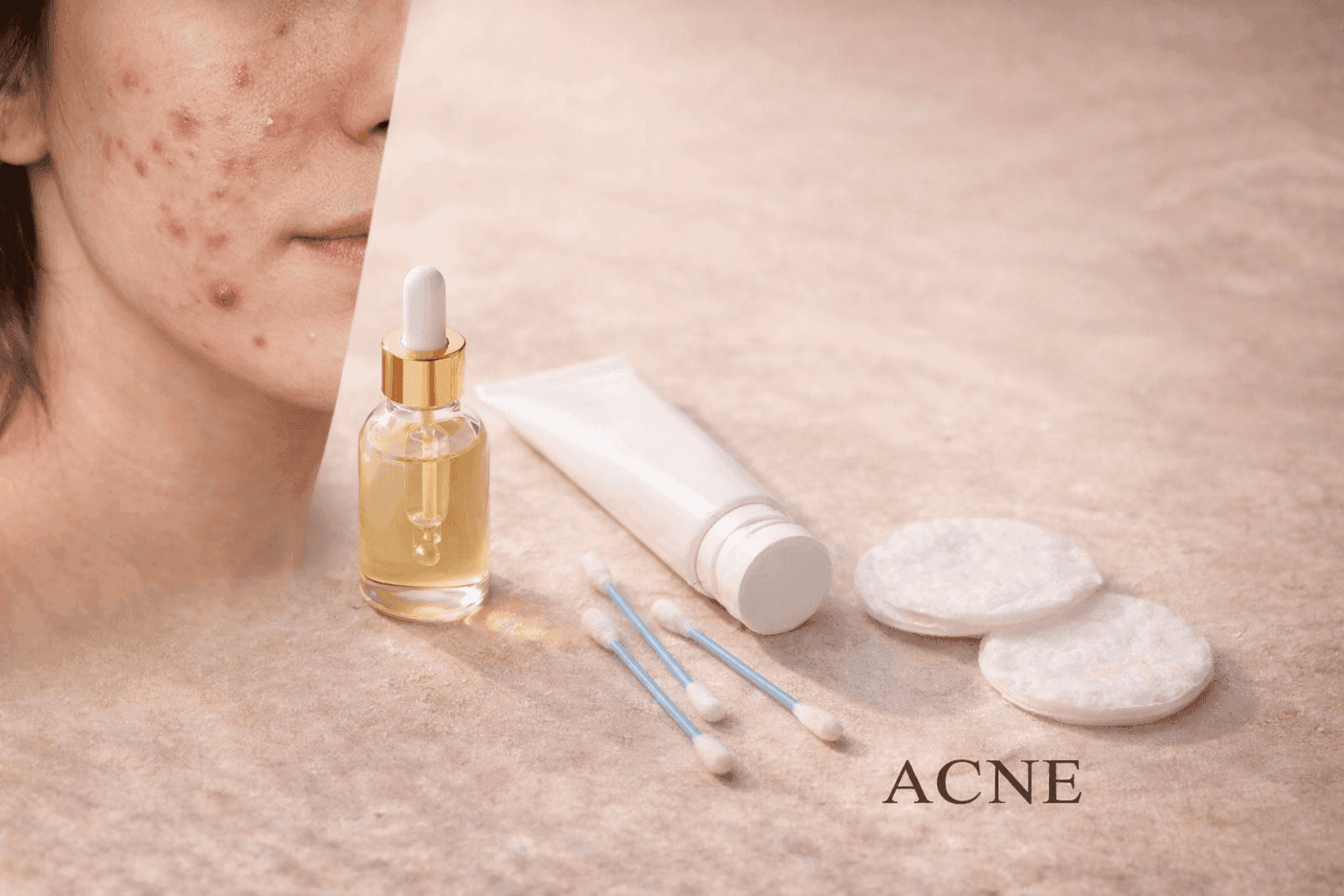
Cystic Acne forms deep within the skin when oil, bacteria, and dead cells clog pores, triggering intense inflammation that creates painful, swollen bumps beneath the surface. Unlike surface breakouts, these lesions develop in the deeper dermal layers, which is why they feel tender and take longer to heal.
Key Takeaways:
- Cystic acne develops deep in the skin from trapped oil, bacteria, and inflammation
- Harsh products can worsen the condition by damaging the skin barrier
- A gentle, consistent routine focuses on calming inflammation and supporting skin repair
- Professional guidance is essential for severe or persistent cystic acne
- Internal triggers like hormones and stress often drive cystic breakouts
What Makes Cystic Acne Different
Cystic acne represents the most severe form of acne, characterized by large, inflamed nodules that form deep within the skin tissue. These lesions develop when a pore becomes completely blocked, creating an enclosed environment where bacteria multiply rapidly. The immune system responds aggressively to this deep infection, flooding the area with white blood cells and inflammatory compounds. This intense response creates the painful swelling and redness that distinguishes cystic acne from ordinary Pimples.
The depth of these breakouts means they cannot be extracted like surface whiteheads. Attempting to squeeze or manipulate cystic acne pushes infected material deeper into surrounding tissue, spreading inflammation and increasing the risk of permanent scarring. The healing process takes significantly longer because the skin must repair damage in multiple layers, from the deep dermis upward to the surface.
How Skin Barrier Function Affects Cystic Acne
The skin barrier serves as your first line of defense against external irritants and helps regulate oil production. When this protective layer becomes compromised through over-cleansing, harsh scrubs, or stripping products, the skin loses moisture rapidly through a process called transepidermal water loss. The sebaceous glands respond to this dehydration signal by producing more oil, creating an environment where pores clog more easily.
A damaged barrier also allows bacteria and irritants to penetrate more deeply. For someone with cystic acne-prone skin, this means more frequent and severe breakouts. The inflammation response becomes exaggerated because the skin lacks the protective mechanisms that would normally contain minor bacterial presence. Products containing high concentrations of alcohol, strong surfactants, or abrasive particles strip away the lipid layer that holds skin cells together, perpetuating this cycle.
Understanding the Oil-Inflammation Connection
Sebum itself does not cause acne. This natural oil actually protects and moisturizes the skin when the sebaceous glands produce appropriate amounts. Problems arise when excess sebum mixes with dead skin cells that have not shed properly, creating a thick plug inside the pore. This mixture provides an ideal environment for Cutibacterium acnes bacteria to thrive in the oxygen-deprived space.
As bacteria multiply, they produce inflammatory compounds that trigger the immune response. The surrounding tissue becomes inflamed, and the pore wall may rupture under pressure, spilling bacteria and cellular debris into the deeper skin layers. This rupture event transforms a regular blocked pore into a cystic lesion. The deeper the rupture occurs, the larger and more painful the resulting cyst becomes.
Hormonal fluctuations significantly influence sebum production. Androgens stimulate the sebaceous glands to produce more oil, which explains why cystic acne often flares during menstrual cycles, periods of high stress, or hormonal transitions. Elevated cortisol from chronic stress also increases oil production while simultaneously suppressing immune function, creating conditions where cystic breakouts develop more readily.
Building a Foundation: Cleansing Without Stripping
The cleansing step determines how the rest of your routine performs. For cystic acne-prone skin, the goal is removing excess oil, makeup, and surface debris without disrupting the protective barrier. Foaming cleansers that leave skin feeling tight or squeaky have stripped away too much, triggering compensatory oil production that worsens congestion.
Look for gel or cream cleansers with a pH between 4.5 and 5.5, which matches the skin's natural acidity. This pH range supports beneficial bacteria on the skin surface while discouraging the growth of acne-causing strains. Ingredients like glycerin or ceramides help maintain moisture during cleansing, preventing the dehydration that signals glands to produce more sebum.
Cleanse twice daily using lukewarm water. Hot water dilates blood vessels and increases inflammation, while cold water does not adequately dissolve oil. Massage the cleanser gently across the skin for 30 to 60 seconds, avoiding any scrubbing motion over active cysts. Pat dry with a clean towel rather than rubbing, which can irritate inflamed areas.
Double cleansing in the evening helps when you wear sunscreen or makeup. Start with an oil-based cleanser to dissolve these products, then follow with your regular gentle cleanser. Despite concerns about adding oil to acne-prone skin, the right cleansing oils actually help dissolve the hardened sebum plugs that contribute to cystic breakouts, and they rinse away completely without leaving residue.
Active Ingredients That Address Cystic Acne Mechanisms
Certain ingredients work with skin biology to reduce the factors that create cystic lesions. Understanding how they function helps you use them effectively without causing irritation that worsens inflammation.
Salicylic acid penetrates into the pore lining because it is oil-soluble. Once inside, it breaks down the bonds holding dead skin cells together, helping them shed before they can combine with sebum to form plugs. This beta-hydroxy acid also has anti-inflammatory properties that calm the redness and swelling around cystic lesions. Concentrations between 0.5 and 2 percent work for most people when used once daily, typically in the evening.
Niacinamide regulates sebum production without stripping the skin. This form of vitamin B3 also strengthens the skin barrier by increasing ceramide production, reduces inflammation by inhibiting inflammatory mediators, and helps fade the dark marks that cystic acne often leaves behind. Concentrations between 4 and 5 percent provide benefits without the flushing some people experience at higher doses.
Azelaic acid addresses multiple acne factors simultaneously. It normalizes the keratinization process so dead cells shed properly, kills acne-causing bacteria on contact, reduces inflammation, and inhibits melanin production to prevent post-inflammatory hyperpigmentation. This ingredient works particularly well for people who experience both cystic acne and dark spots.
Benzoyl peroxide kills bacteria by releasing oxygen into the pore, creating an environment where anaerobic Cutibacterium acnes cannot survive. While effective, it can be intensely drying and may bleach fabrics. Start with lower concentrations (2.5 percent) applied as a short-contact treatment, washing it off after 5 to 10 minutes rather than leaving it on overnight. This approach reduces irritation while still delivering antibacterial benefits.
Sample Routine Structure
| Time | Step | Purpose | Notes |
|---|---|---|---|
| Morning | Gentle cleanser | Remove overnight oil buildup | Use lukewarm water |
| Morning | Niacinamide serum | Control oil, strengthen barrier | Apply to damp skin |
| Morning | Lightweight moisturizer | Maintain hydration | Non-comedogenic formula |
| Morning | Mineral sunscreen | Prevent inflammation, dark spots | Zinc oxide or titanium dioxide |
| Evening | Double cleanse | Remove sunscreen, debris | Oil cleanser first if needed |
| Evening | Salicylic acid or azelaic acid | Unclog pores, reduce inflammation | Alternate if using both |
| Evening | Barrier repair moisturizer | Support overnight healing | Thicker than morning formula |
What to Avoid in Products and Habits
Certain ingredients and behaviors consistently worsen cystic acne by increasing oil production, promoting bacterial growth, or triggering inflammation. Comedogenic oils like coconut oil, cocoa butter, and wheat germ oil are too heavy and occlusive for acne-prone skin. They sit on the surface and trap debris inside pores rather than allowing proper shedding.
Fragrances, whether synthetic or natural essential oils, provide no skin benefit and frequently cause irritation. Inflamed skin becomes more reactive, and added irritation from fragrances can tip a clogged pore into becoming a cystic lesion. Denatured alcohol high on ingredient lists strips the skin, triggering the barrier damage and compensatory oil production cycle.
Physical exfoliation through scrubs, brushes, or rough washcloths damages inflamed skin. The mechanical friction spreads bacteria across the face and can rupture developing cysts beneath the surface. Chemical exfoliation with acids provides more controlled and effective exfoliation without physical trauma.
Touching the face transfers bacteria, oils, and dirt from hands to pores. Each touch also stimulates nerve endings around inflamed cysts, increasing discomfort. Resting your face on your hands during the day exposes skin to whatever your hands have contacted. Similarly, pressing phones against your cheek creates friction, warmth, and bacteria transfer that promotes breakouts along the jawline.
Picking or attempting to drain cystic acne forces infected material deeper and creates wounds that heal with scarring. The temporary satisfaction of manipulating a cyst leads to prolonged healing time and permanent marks. If a cyst comes to a head on its own, allow it to drain naturally, then gently cleanse the area without applying pressure.
Supporting Skin Health Beyond Topical Products
While skincare routines address the external skin environment, cystic acne development involves multiple internal factors that topical products cannot fully control. Sleep quality directly affects skin repair mechanisms. During deep sleep, growth hormone levels peak, driving the cellular repair processes that heal inflamed tissue. Chronic sleep deprivation elevates cortisol, which increases inflammation and oil production while slowing healing.
Hydration status influences how well skin cells function and how effectively the body removes metabolic waste products. Dehydrated skin produces more oil to compensate for water loss, and cellular processes slow down when cells lack adequate fluid. Aim for consistent water intake throughout the day rather than large amounts at once.
High glycemic foods cause rapid blood sugar spikes that trigger insulin release. Elevated insulin increases androgen production, which stimulates sebaceous glands to produce more oil. Research has found consistent associations between high-sugar, high-refined-carbohydrate diets and acne severity. Choosing complex carbohydrates with fiber helps maintain steadier blood sugar levels.
Some people notice that dairy products worsen their cystic acne. Milk contains hormones and bioactive molecules that may influence human hormone levels and inflammation. If you suspect dairy affects your skin, try eliminating it completely for four to six weeks to see if breakouts improve, then reintroduce it to confirm the connection.
Chronic stress maintains elevated cortisol levels that promote inflammation throughout the body, including the skin. Stress also disrupts sleep, triggers less healthy food choices, and can lead to increased face touching. Finding stress management approaches that work for you - whether movement, meditation, creative activities, or time in nature - supports skin health as much as any product.
When Professional Guidance Becomes Necessary
Cystic acne often requires professional treatment because the inflammation occurs too deep for over-the-counter products to fully address. If you have painful nodules that last more than two weeks, if new cysts develop faster than existing ones heal, or if you are developing scars or dark spots, consultation with a dermatologist provides access to more effective interventions.
Prescription treatments may include topical retinoids that normalize cell turnover at a deeper level than over-the-counter alternatives, oral antibiotics that reduce bacterial populations and systemic inflammation, hormonal therapies that regulate the androgens driving excess oil production, or isotretinoin for severe cases that have not responded to other approaches.
Professional extraction of cysts, cortisone injections to rapidly reduce inflammation, and various light or laser therapies offer options that home care cannot replicate. Early professional intervention prevents scarring more effectively than attempting to manage severe cystic acne solely with over-the-counter products.
Realistic Expectations for Improvement
Skin cells turn over approximately every 28 days, which means visible improvement from any new routine takes at least four to six weeks. Cystic acne healing requires even longer because the inflammation exists in deeper layers. Initial changes include reduced pain and swelling in existing cysts, fewer new cysts developing, and faster healing times as the routine supports skin barrier function.
Some people experience a purging phase when starting acids or retinoids. These ingredients accelerate cell turnover, bringing clogs to the surface faster than they would have emerged on their own. Purging typically begins within the first two weeks and resolves by six to eight weeks. If breakouts worsen progressively beyond this timeframe, the product is likely causing irritation rather than purging.
Consistency matters more than complexity. A simple routine performed twice daily every day produces better results than an elaborate routine followed sporadically. The skin responds to sustained support rather than occasional intensive treatment.
Understanding Internal Triggers: Clear Ritual's Perspective
Cystic acne develops from multiple interconnected factors including hormonal fluctuations, inflammatory responses, sebaceous gland activity, bacterial balance, genetic predisposition, and environmental influences. While careful skincare routines and lifestyle modifications help manage symptoms and support skin health, they may not fully resolve the condition if underlying triggers remain unaddressed. At Clear Ritual, we combine the best of three worlds - Ayurveda, modern dermatology, and advanced skin science - to understand individual triggers through a structured skin test. This approach recognizes that what drives cystic acne in one person may differ significantly from another's triggers. Understanding your specific pattern of internal and external factors helps create a more targeted approach to achieving long-term skin stability rather than temporary symptom relief.
Frequently Asked Questions
Can I use moisturizer if I have cystic acne and oily skin?
Yes, moisturizer is essential even for oily, acne-prone skin. When skin becomes dehydrated, sebaceous glands produce more oil to compensate, which can worsen cystic acne. Choose lightweight, non-comedogenic formulas with ingredients like hyaluronic acid, niacinamide, or ceramides that hydrate without adding heavy oils.
How long does it take for a cystic acne lesion to heal?
Individual cystic lesions typically take two to four weeks to heal completely, though deeper cysts may require six weeks or longer. The inflammation must resolve in deep tissue layers before surface healing becomes visible. Consistent gentle care and avoiding manipulation support faster healing.
Should I stop wearing makeup if I have cystic acne?
You do not need to eliminate makeup entirely, but choose non-comedogenic products and ensure thorough removal each evening. Mineral makeup with zinc oxide or titanium dioxide can actually provide anti-inflammatory benefits. Heavy, oil-based foundations or long-wearing formulas that resist removal may contribute to clogged pores.
Why does my cystic acne get worse before my period?
Hormonal fluctuations during the menstrual cycle affect sebum production. Progesterone levels rise after ovulation, stimulating oil glands, while estrogen drops just before menstruation. This combination increases the likelihood of pores becoming clogged with excess sebum, leading to cystic breakouts along the jawline and chin.
Can stress alone cause cystic acne?
Stress does not directly cause cystic acne but significantly worsens the condition in people already prone to breakouts. Elevated cortisol increases oil production, promotes inflammation, slows healing, and can disrupt sleep and eating patterns. Managing stress helps reduce flare frequency and severity.
Is it safe to use salicylic acid and benzoyl peroxide together?
You can use both ingredients, but not typically at the same time, as combining them increases irritation risk without improving effectiveness. A common approach uses salicylic acid in the evening and benzoyl peroxide as a short-contact morning treatment, or alternates them on different evenings based on skin tolerance.
Will popping a cystic pimple make it heal faster?
No, attempting to pop or drain a cystic lesion forces infected material deeper into tissue, spreads bacteria, increases inflammation, prolongs healing time, and significantly raises the risk of permanent scarring. Cystic acne develops too deep beneath the surface for manual extraction to be effective or safe.
Do I need different products in summer versus winter for cystic acne?
Seasonal adjustments help maintain skin balance. Winter often requires slightly richer moisturizers to compensate for low humidity and indoor heating that dehydrate skin. Summer may need lighter formulas and more frequent sunscreen reapplication due to increased sweating. The core routine of gentle cleansing and appropriate actives remains consistent year-round.
Editorial Standards
Clear Ritual has Strict sourcing guidelines to ensure our content is accurate and current. We rely on peer-reviewed studies, academic research institutions, and medical associations. We strive to use primary sources and refrain from using tertiary references. See a mistake? Learn More about our Editorial Standards.



