




Stress and Its Role in Cystic Acne Flare-Ups
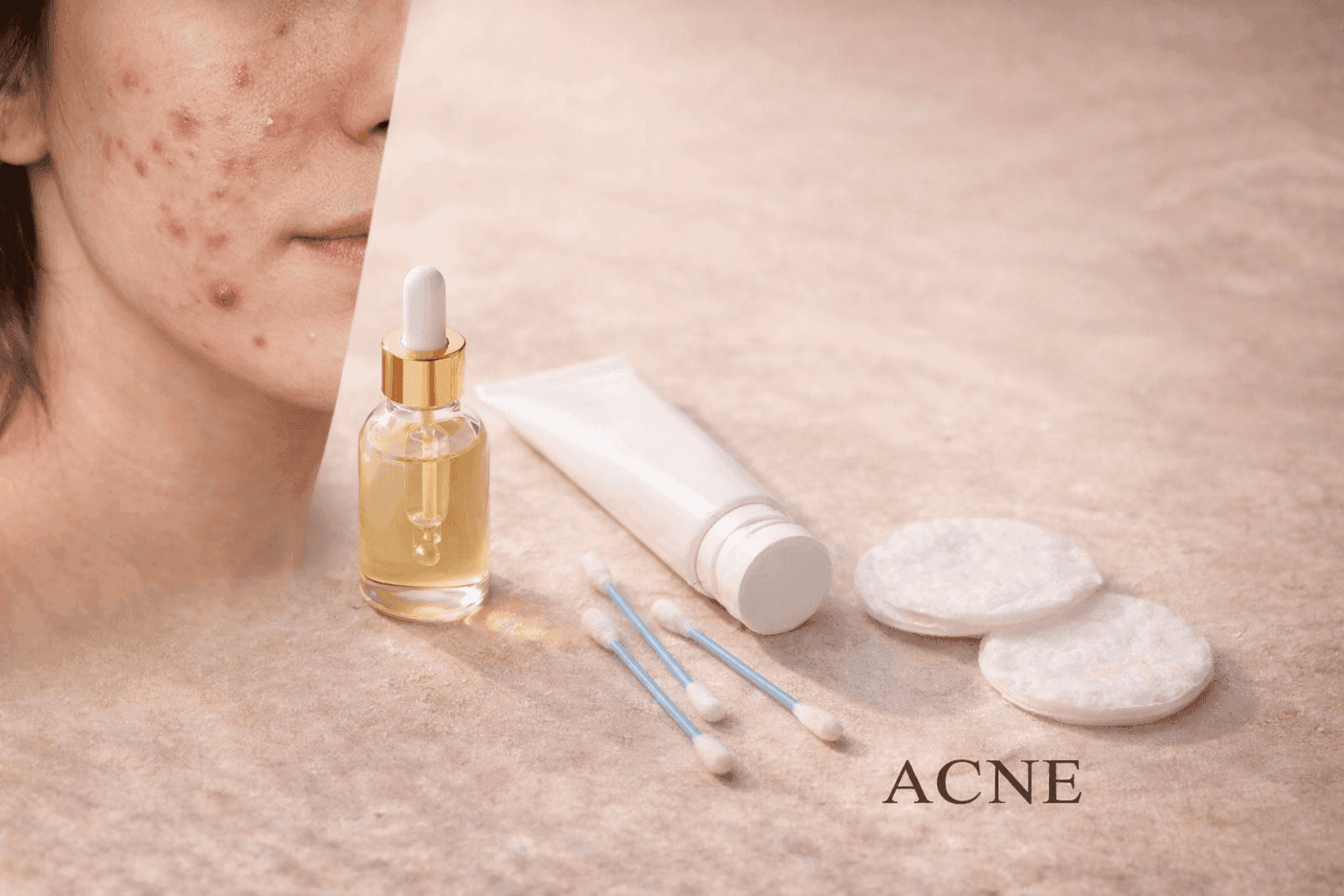
When you're under stress, your body releases cortisol and androgens that trigger oil glands to produce excess sebum. This creates an environment where bacteria multiply, inflammation intensifies, and Cystic Acne develops deep under the skin, often appearing days after the stressful event.
Key Takeaways:
- Stress hormones directly increase sebum production and skin inflammation
- Cortisol weakens the skin barrier, making it more vulnerable to bacterial overgrowth
- Cystic acne appears 3–7 days after stress peaks due to delayed inflammatory responses
- Managing stress requires both lifestyle changes and understanding your individual triggers
What Makes Cystic Acne Different
Cystic acne forms deep within the skin, unlike surface-level whiteheads or blackheads. These painful, inflamed nodules develop when oil, dead skin cells, and bacteria become trapped beneath multiple skin layers. The body recognizes this as a threat and sends inflammatory cells to the area, creating swollen, tender bumps that can last weeks.
The cysts sit so deep that topical treatments struggle to reach them. This depth also explains why cystic acne often leaves scars - the inflammation damages the surrounding tissue structure, affecting collagen and elastin fibers that give skin its smooth appearance.
How Stress Triggers Oil Production
Your sebaceous glands contain receptors that respond directly to stress hormones. When cortisol levels rise during periods of anxiety, deadline pressure, or emotional strain, these receptors signal the glands to increase sebum production. More oil means more fuel for the bacteria that contribute to acne formation.
Androgens, another group of stress-activated hormones, amplify this effect. They enlarge the sebaceous glands themselves, making each one capable of producing even more oil. This explains why breakouts often worsen during exam periods, job transitions, relationship conflicts, or sleep-deprived weeks.
The timing matters too. Stress-related breakouts typically appear three to seven days after the stressful event peaks. Your skin doesn't react immediately - instead, the hormonal cascade takes days to fully manifest as visible inflammation.
The Inflammation Connection
Stress doesn't just increase oil - it fundamentally alters your immune response. Cortisol initially suppresses inflammation as part of your body's survival mechanism. But when stress becomes chronic, this system dysregulates. Your skin's inflammatory pathways become hypersensitive, overreacting to the presence of acne-causing bacteria like Cutibacterium acnes.
This bacterial strain lives naturally on everyone's skin. Under normal conditions, your immune system keeps it balanced. During stress, however, the weakened barrier function and excess sebum create an ideal environment for these bacteria to multiply rapidly. Your immune system then launches an aggressive inflammatory response, leading to the painful swelling characteristic of cystic acne.
Stress also increases the production of neuropeptides - chemical messengers that communicate between your nervous system and skin cells. Substance P, one of these molecules, directly triggers mast cells to release histamine and other inflammatory compounds that worsen acne severity.
Barrier Function Under Stress
Your skin barrier consists of lipids, ceramides, and proteins arranged in a protective layer. This barrier prevents water loss and blocks irritants, pollutants, and pathogens from penetrating deeper layers. Chronic stress degrades this structure.
Elevated cortisol reduces the production of natural moisturizing factors and disrupts lipid synthesis. The barrier becomes porous, allowing transepidermal water loss to increase. Dehydrated skin often compensates by producing more oil, creating the paradox of oily yet dehydrated skin that many acne-prone people experience.
A compromised barrier also means environmental aggressors like pollution particles and bacteria penetrate more easily. Your skin becomes simultaneously more vulnerable to infection and less capable of healing existing inflammation.
Sleep Deprivation Amplifies Everything
Stress frequently disrupts sleep quality and duration. Poor sleep independently raises cortisol levels, creating a compounding effect. During deep sleep, your body repairs skin damage, synthesizes collagen, and regulates immune function. Missing these repair cycles means inflammation lingers longer and healing slows significantly.
Sleep deprivation also affects insulin sensitivity, which influences how your body processes sugar. Poor glucose regulation can trigger additional inflammatory pathways that worsen acne. Studies show that people who sleep fewer than six hours consistently have higher inflammatory markers throughout their body, including their skin.
Stress Behaviors That Worsen Acne
Beyond hormones, stress changes behavior in ways that directly impact skin health. Many people touch their face more frequently when anxious, transferring bacteria from hands to pores. Face-picking and squeezing become nervous habits that introduce infection deeper into tissue.
Dietary choices shift during stressful periods. Reaching for high-glycemic foods like cookies, chips, or energy drinks causes blood sugar spikes that trigger insulin release. Insulin stimulates both androgen production and sebaceous gland activity, adding another layer to the stress-acne cycle.
Stress may also lead to inconsistent skincare routines. Skipping cleansing allows makeup, sunscreen, and environmental debris to accumulate in pores. Alternatively, over-washing in an attempt to control breakouts strips protective oils, prompting the skin to produce even more sebum as compensation.
The Gut-Skin-Stress Triangle
Your digestive system and skin communicate through what researchers call the gut-skin axis. Stress alters gut microbiome composition, reducing beneficial bacteria that help regulate inflammation throughout your body. This imbalance, called dysbiosis, allows inflammatory compounds from the gut to enter circulation and affect skin health.
Stress hormones slow digestion and increase intestinal permeability - sometimes called leaky gut. When larger food particles and bacterial components cross the intestinal barrier, your immune system treats them as threats, triggering systemic inflammation that manifests in multiple organs, including skin.
Many people also experience digestive symptoms during stress, which further disrupts nutrient absorption. Deficiencies in zinc, omega-3 fatty acids, and B vitamins can compromise skin healing and immune function, making cystic acne more persistent.
Cortisol Rhythm Disruption
Your body naturally produces cortisol in a daily rhythm - highest in the morning to help you wake, gradually declining toward evening. Chronic stress flattens this curve, keeping cortisol elevated throughout the day and night. This persistent elevation prevents your skin from entering its natural repair phase.
Without the normal nighttime cortisol dip, inflammation remains active, healing slows, and skin barrier repair diminishes. Over time, this contributes to acne that persists despite topical treatments, because the underlying hormonal environment never allows full resolution.
Gender Differences in Stress-Related Acne
Women often experience more pronounced stress-related breakouts due to hormonal fluctuations throughout their menstrual cycle. The luteal phase, occurring after ovulation, naturally increases progesterone and androgen activity. When stress adds cortisol to this mix, the combined hormonal surge can trigger severe cystic breakouts, particularly along the jawline and chin.
Men typically have higher baseline androgen levels, which means their stress response may produce more severe initial oil production. However, women's hormonal complexity means their acne often shows more cyclical patterns tied to both stress events and hormonal phases.
When Breakouts Signal Chronic Stress
Occasional stress-related Pimples differ from chronic cystic acne patterns. If you notice deep, painful nodules appearing consistently during or after stressful weeks, your skin is signaling that your stress response has become problematic. Other signs include breakouts that take longer than two weeks to heal, increasing frequency of cysts, or acne spreading to areas previously unaffected.
Physical symptoms beyond skin changes also matter. Persistent fatigue, digestive issues, muscle tension, frequent illness, or mood changes alongside worsening acne suggest your body's stress management systems need support. These patterns warrant professional evaluation from both dermatology and potentially mental health perspectives.
Foundation Approaches for Managing Stress-Related Acne
Addressing stress-related cystic acne requires working on multiple levels simultaneously. No single intervention resolves the issue because the triggers operate through interconnected pathways.
Establishing consistent sleep patterns helps normalize cortisol rhythms. Aim for the same sleep and wake times daily, creating conditions for your skin's natural repair cycles to function properly. Cool, dark rooms and limiting screen exposure before bed support deeper sleep phases where healing occurs.
Regular physical movement helps metabolize stress hormones. Exercise doesn't need to be intense - even twenty-minute daily walks reduce cortisol levels and improve circulation that delivers nutrients to skin cells. However, excessive high-intensity training without adequate recovery can actually increase cortisol, so balance matters.
Mindfulness practices like deep breathing, meditation, or progressive muscle relaxation directly counteract the stress response. Even five minutes of intentional breathing activates your parasympathetic nervous system, signaling your body to reduce cortisol production.
Nutrition stability prevents blood sugar spikes that compound hormonal acne triggers. Including protein and fiber with each meal slows glucose absorption, reducing insulin spikes. Omega-3 fatty acids from fish, flaxseed, or walnuts provide building blocks for anti-inflammatory compounds your skin uses during healing.
Gentle, consistent skincare prevents additional barrier damage during vulnerable periods. Harsh scrubbing or aggressive products add physical stress to already inflamed skin. Non-comedogenic moisturizers support barrier repair without clogging pores, while avoiding over-cleansing preserves protective oils.
Red Flags That Require Professional Support
Some situations require dermatologist evaluation beyond home management. Seek professional guidance if you experience cystic acne that leaves deep scars, doesn't improve after three months of lifestyle changes, causes significant pain, or affects your emotional wellbeing.
Sudden adult-onset cystic acne, particularly in women, sometimes indicates hormonal conditions like polycystic ovary syndrome that need medical assessment. Similarly, cysts accompanied by irregular periods, excessive hair growth, or unexplained weight changes warrant endocrine evaluation.
Mental health support becomes essential when stress feels unmanageable or accompanies symptoms of anxiety or depression. These conditions physiologically affect skin health through the mechanisms described earlier, and addressing them often improves acne alongside overall quality of life.
Understanding Individual Response Patterns
Not everyone responds to stress with cystic acne. Your unique combination of genetics, hormone sensitivity, skin microbiome composition, and barrier function determines whether stress manifests as breakouts, eczema flares, rashes, or no visible skin changes at all.
Some people have sebaceous glands with more androgen receptors, making them particularly sensitive to stress hormones. Others have naturally lower ceramide production, meaning their barrier weakens more quickly under cortisol exposure. Understanding your specific vulnerability pattern helps target interventions more effectively.
Tracking patterns in a simple journal reveals connections you might otherwise miss. Note when breakouts appear, recent stressors, sleep quality, dietary changes, and menstrual cycle phase if applicable. Over several months, patterns emerge that clarify your personal triggers.
Understanding Internal Triggers: Clear Ritual's Perspective
Cystic acne develops from multiple interconnected factors - hormone fluctuations, sebaceous gland activity, inflammation responses, barrier integrity, stress levels, sleep patterns, gut health, and genetic predisposition. While stress management, skincare adjustments, and dietary changes provide important support, they often address symptoms rather than identifying your unique combination of root triggers. At Clear Ritual, we combine the best of three worlds - Ayurveda, modern dermatology, and advanced skin science - to understand individual triggers through a structured skin assessment. This approach recognizes that two people with similar-looking cystic acne may have entirely different underlying causes requiring different support strategies. Understanding your specific trigger patterns creates a foundation for more targeted, sustainable skin stability rather than temporary symptom management.
Frequently Asked Questions
Can stress alone cause cystic acne if I've never had it before?
Stress can trigger cystic acne in people without previous acne history, particularly during major life changes or prolonged difficult periods. The hormonal surge from chronic stress may activate dormant sebaceous gland activity or reveal an underlying sensitivity that milder stressors never exposed. However, sudden adult-onset cystic acne warrants medical evaluation to rule out hormonal conditions.
How long after a stressful event do stress-related breakouts typically appear?
Stress-related cystic acne usually appears three to seven days after cortisol levels peak. This delay occurs because the hormonal cascade takes time to increase oil production, allow bacterial multiplication, and trigger the deep inflammatory response characteristic of cysts. This timing difference helps distinguish stress-related breakouts from those triggered by other factors like dietary changes or product reactions.
Does reducing stress make existing cystic acne heal faster?
Managing stress supports healing by lowering inflammatory compounds and normalizing cortisol rhythms that allow skin repair processes to function properly. However, existing cysts may still take two to four weeks to fully resolve because the inflammation sits deep in tissue layers. Stress reduction prevents new cysts from forming rather than instantly clearing current ones.
Why does my cystic acne get worse right before important events?
Anticipatory stress raises cortisol days before the actual event, triggering oil production increases that manifest as breakouts just when you want clear skin. The anxiety about potential breakouts can itself become an additional stressor, creating a self-fulfilling cycle. This pattern is extremely common and relates to how your brain processes upcoming challenges as current threats.
Can stress cause cystic acne only on certain parts of my face?
Stress-related hormonal changes often trigger cystic acne along the jawline, chin, and lower cheeks because these areas have higher concentrations of hormone-sensitive sebaceous glands. This distribution differs from stress-independent acne, which may appear more evenly across the face. Location patterns help identify whether hormonal factors, including stress hormones, play a primary role.
Do stress management techniques work if my acne is also hormonal?
Stress management helps hormonal acne because stress hormones directly interact with reproductive hormones like androgens and estrogen. Chronic stress can worsen hormonal imbalances or make existing sensitivities more pronounced. While managing stress alone may not completely resolve hormonally-driven acne, it removes a significant amplifying factor and often improves treatment outcomes when combined with other approaches.
How can I tell if my breakouts are from stress or something else?
Tracking breakout timing relative to stressful events, sleep quality changes, and other life factors reveals patterns over several months. Stress-related cystic acne typically appears during or shortly after identifiable stressful periods and improves when stress resolves. If breakouts occur randomly regardless of stress levels, or follow your menstrual cycle precisely, other triggers likely play larger roles.
Will my stress-related cystic acne eventually stop on its own?
If the stress resolves and doesn't recur, hormonal levels typically normalize within weeks to months, and breakouts gradually diminish. However, chronic stress creates persistent hormonal dysregulation that won't resolve without actively addressing the stress sources and their physiological effects. Additionally, repeated cystic acne episodes can cause lasting changes to skin structure and scarring that persist even after the triggers resolve.
Editorial Standards
Clear Ritual has Strict sourcing guidelines to ensure our content is accurate and current. We rely on peer-reviewed studies, academic research institutions, and medical associations. We strive to use primary sources and refrain from using tertiary references. See a mistake? Learn More about our Editorial Standards.



