




How Long Does a Pimple Take to Heal?
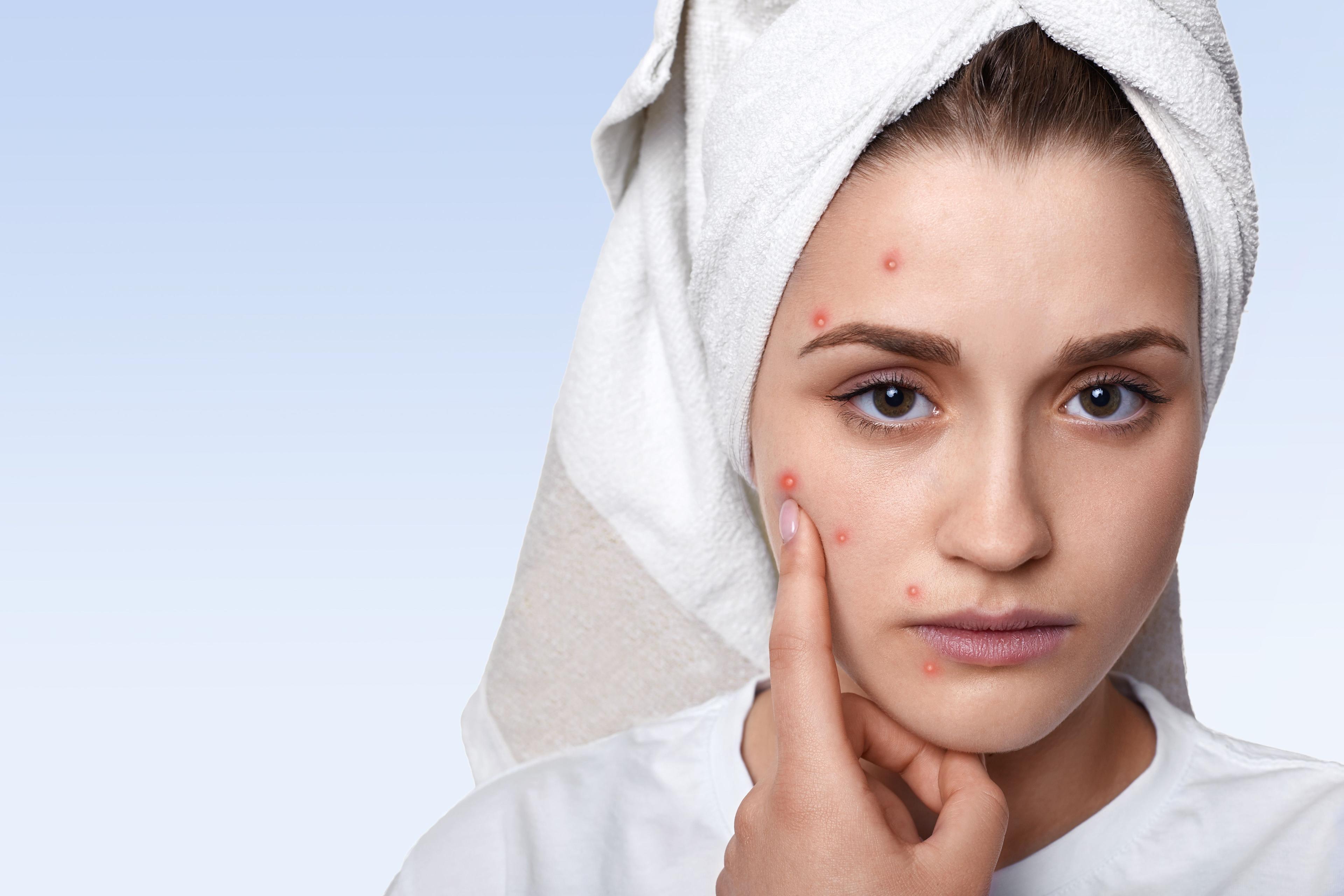
Most pimples take three to seven days to heal on their own, but deeper inflammatory pimples or cysts can take two to six weeks. Healing time depends on the type of pimple, how deep the inflammation sits, whether it was picked or squeezed, and how your skin barrier responds to the breakout.
Key Takeaways:
- Surface whiteheads typically heal within three to five days
- Inflamed papules and pustules take five to ten days
- Deep cystic acne can persist for several weeks
- Picking or squeezing extends healing time significantly
- Proper skin barrier support helps reduce inflammation faster
What Happens Inside Your Skin When a Pimple Forms
A pimple starts long before you see it on your skin surface. It begins when a hair follicle becomes clogged with excess sebum, dead skin cells, and bacteria. This blockage creates an oxygen-deprived environment where Cutibacterium acnes bacteria multiply rapidly. Your immune system detects this bacterial overgrowth and sends white blood cells to the site, triggering inflammation. This inflammatory response causes the redness, swelling, and tenderness you feel.
The healing timeline depends entirely on how deep this inflammatory process reaches into your skin. A surface-level comedone heals quickly because the blockage sits near the epidermis. But when inflammation reaches the dermis where collagen and blood vessels reside, your body needs more time to clear infection, rebuild tissue, and restore the skin barrier.
Different Types of Pimples and Their Healing Times
Comedones (Blackheads and Whiteheads)
These non-inflammatory lesions form when pores become blocked but inflammation remains minimal. blackheads stay open to air and oxidize, turning dark. Whiteheads remain closed under the skin surface. Both typically resolve within three to seven days without intervention. However, if you try to extract them improperly, you can push bacteria deeper and convert them into inflammatory pimples.
Papules and Pustules
Papules are small, red, tender bumps without a visible white center. They represent early inflammatory acne where your immune system has begun fighting bacteria. These usually take five to seven days to heal. Pustules are papules that have developed a white or yellow pus-filled center. The pus contains dead white blood cells and bacteria. Pustules generally heal within five to ten days if left alone.
Squeezing a pustule before it naturally drains forces bacteria and inflammatory material sideways and downward into surrounding tissue. This spreads infection, increases inflammation, and can extend healing time to two weeks or longer.
Nodules and Cysts
These deep, painful lesions form when inflammation extends far into the dermis. Nodules feel like hard bumps under the skin without a visible head. Cysts are fluid-filled lesions that can feel softer. Both represent severe inflammatory responses and typically take two to six weeks to heal. Sometimes they leave behind post-inflammatory hyperpigmentation or shallow scars that persist for months.
Cystic acne often indicates hormonal involvement, particularly elevated androgens that increase sebum production. Stress hormones like cortisol also worsen inflammation and slow healing by suppressing certain immune functions while overactivating others.
Factors That Extend Pimple Healing Time
Physical Manipulation
Picking, squeezing, or constantly touching a pimple introduces new bacteria from your hands, ruptures the follicle wall beneath the surface, and spreads inflammation to adjacent tissue. This can turn a five-day pimple into a two-week wound that may scar. The urge to extract feels satisfying but almost always backfires by deepening inflammation and delaying healing.
Compromised Skin Barrier
Your skin barrier consists of lipids, ceramides, and proteins that seal moisture in and keep irritants out. When this barrier becomes compromised through over-cleansing, harsh exfoliants, or stripping acne treatments, transepidermal water loss increases. Dehydrated skin struggles to complete the healing process efficiently because cell turnover and collagen synthesis require adequate hydration. Ironically, aggressive acne treatment can prolong healing time.
Lifestyle Factors
Sleep deprivation reduces growth hormone secretion, which your body needs for tissue repair. Poor sleep also elevates cortisol, which increases sebum production and inflammation. High-glycemic diets cause insulin spikes that trigger androgen release, worsening oil production. Chronic stress keeps your body in a pro-inflammatory state, slowing down healing processes and potentially triggering new breakouts while old ones struggle to resolve.
Environmental Stressors
Pollution particles settle on skin and oxidize sebum, making it more comedogenic. UV exposure worsens post-inflammatory hyperpigmentation and generates free radicals that damage healing tissue. Mask-wearing creates occlusion and friction, trapping sweat and bacteria against the skin. These factors don't necessarily cause pimples but can extend healing time once inflammation has begun.
How Your Skin Naturally Heals a Pimple
The healing process unfolds in predictable phases. First, your immune system walls off the infection through inflammation. White blood cells destroy bacteria and damaged tissue. Next, your body begins the proliferation phase where new skin cells multiply and migrate to close the wound. Finally, the remodeling phase strengthens the new tissue with collagen and fades redness.
For surface pimples, this process completes quickly because the damage remains superficial. For deep inflammatory acne, the dermis must rebuild collagen networks and restore blood vessel integrity. This takes considerably longer. Post-inflammatory erythema, the red or purple mark left after a pimple heals, represents dilated blood vessels and hemoglobin breakdown. This can persist for weeks or months even after the infection clears.
What Helps Support Faster Healing
Gentle Cleansing
Cleansing twice daily removes excess oil, bacteria, and environmental debris without stripping the skin barrier. Use lukewarm water rather than hot water, which increases inflammation. Harsh scrubbing or multiple cleansing steps can worsen barrier function and extend healing time. The goal is cleanliness without disruption.
Maintaining Barrier Integrity
A healthy lipid barrier supports faster healing by maintaining hydration and preventing secondary infection. When your barrier remains intact, cellular processes function optimally. Over-exfoliation or overuse of drying ingredients compromises this protective layer. Even when treating acne, maintaining barrier health remains essential.
Managing Inflammation
Cold compresses can temporarily reduce swelling by constricting blood vessels. Adequate hydration supports lymphatic drainage and helps clear inflammatory mediators. Anti-inflammatory ingredients in skincare like [niacinamide] (https://clearritual.com/ingredients/niacinamide) may help reduce the intensity of the immune response without suppressing healing entirely.
Avoiding Irritants
During active breakouts, minimize makeup use especially thick, occlusive formulas that trap bacteria. If you must wear cosmetics, choose non-comedogenic products and remove them thoroughly. Avoid touching your face throughout the day, as this transfers bacteria and oils from your hands to vulnerable skin.
Common Mistakes That Prolong Healing
Many people over-treat active pimples with multiple strong ingredients simultaneously. Layering benzoyl peroxide, salicylic acid, retinoids, and alcohol-based toners creates excessive irritation. The skin becomes red, flaky, and sensitized. This inflammatory state actually slows healing because your skin must repair treatment damage in addition to resolving the original pimple.
Another mistake involves inconsistent routines. Aggressively treating skin for a few days, then stopping completely when irritation occurs, then restarting creates a cycle of inflammation and recovery that extends overall healing time. Consistency with gentle, appropriate care produces better results than sporadic intensive treatment.
Ignoring hydration is another common error. When skin feels oily, the instinct is to dry it out completely. But dehydrated skin often produces more oil to compensate, and the lack of moisture impairs the healing cascade. Balanced hydration supports faster resolution.
When to See a Dermatologist
Most pimples heal on their own within two weeks. However, certain situations warrant professional evaluation. If you develop painful nodules or cysts that don't improve within three weeks, a dermatologist can provide treatments that reduce inflammation faster and minimize scarring risk. Persistent breakouts that don't respond to over-the-counter care may require prescription intervention.
Similarly, if you notice scarring developing, ice pick scars forming, or severe post-inflammatory hyperpigmentation, early dermatological care can prevent permanent changes. Sudden severe acne, especially when accompanied by other symptoms like irregular periods or excessive hair growth, may indicate hormonal imbalances that require medical assessment.
The Role of Individual Variation
Healing time varies significantly between individuals based on genetics, age, skin type, and overall health. Some people naturally produce more inflammatory mediators, leading to more intense and prolonged reactions. Others have more efficient wound-healing mechanisms that clear pimples quickly. Age affects healing speed because cellular turnover slows over time, meaning younger skin typically heals faster than mature skin.
Your unique microbiome also influences healing. Skin bacteria populations vary widely between people. Some microbial profiles promote balanced inflammation and quick resolution, while others contribute to prolonged inflammatory states. This explains why identical pimples might heal at different rates on different people.
Understanding Internal Triggers: Clear Ritual's Perspective
At Clear Ritual, we believe proper skincare helps manage pimple healing, most acne stems from multiple internal and external factors working together. Hormonal fluctuations, stress responses, inflammatory pathways, barrier dysfunction, and microbiome imbalances all contribute. Topical treatments address surface symptoms but may not resolve underlying triggers. This is why some people see temporary improvement that doesn't last.
We combine the best of three worlds - Ayurveda, modern dermatology, and advanced skin science - to understand individual triggers through a structured Clear Ritual Skin Test. Identifying your specific pattern helps create more targeted approaches rather than generic solutions. Long-term skin stability comes from addressing the root contributors, not just managing visible symptoms. Understanding what drives your particular breakouts allows for more effective, personalized care that goes beyond quick fixes.
Frequently Asked Questions
Can I make a pimple heal faster overnight?
No treatment can heal a pimple overnight because the inflammatory process requires time to complete its natural phases. However, you can reduce swelling temporarily with cold compresses and minimize further irritation by leaving the pimple alone. Avoid picking or applying multiple treatments simultaneously.
Why do some pimples take months to heal?
Deep cystic acne or nodules that become chronic can persist for months because inflammation reaches deep dermal layers. Sometimes these lesions require professional intervention. Additionally, repeated picking or harsh treatment can create cycles of damage and healing that extend recovery time significantly.
Does popping a pimple make it heal faster or slower?
Popping a pimple almost always extends healing time. Squeezing ruptures the follicle wall beneath the surface, spreading bacteria and inflammatory material into surrounding tissue. This increases inflammation, raises infection risk, and can lead to scarring. Natural drainage takes longer but causes less damage.
Why does my pimple keep coming back in the same spot?
Recurring pimples in the same location often indicate incomplete healing from the previous breakout or persistent triggers specific to that area. The follicle may remain partially blocked, or local inflammation may not have fully resolved. Hormonal patterns can also cause repeated breakouts in specific zones.
Do certain foods make pimples heal slower?
High-glycemic foods and dairy products can worsen inflammation in some people by influencing insulin and hormonal pathways. These dietary factors may prolong healing by maintaining an inflammatory state. However, individual responses vary significantly, and not everyone reacts to the same foods.
Is it normal for a pimple to leave a dark spot?
Yes, post-inflammatory hyperpigmentation is extremely common, especially in medium to dark skin tones. This happens when inflammation triggers excess melanin production. These marks are not acne scars and typically fade over weeks to months, though sun exposure can darken them further.
Should I keep a pimple covered or let it breathe?
Gentle coverage with non-comedogenic products is fine, but avoid thick, occlusive layers that trap bacteria. Your skin doesn't literally "breathe," but occlusion can worsen inflammation. The key is keeping the area clean without creating a trapped, humid environment that encourages bacterial growth.
Can stress actually make pimples take longer to heal?
Yes, chronic stress elevates cortisol levels, which increases sebum production and creates a pro-inflammatory state throughout your body. Stress also impairs sleep quality, which reduces tissue repair efficiency. These combined effects can significantly extend healing time for active breakouts.
Editorial Standards
Clear Ritual has Strict sourcing guidelines to ensure our content is accurate and current. We rely on peer-reviewed studies, academic research institutions, and medical associations. We strive to use primary sources and refrain from using tertiary references. See a mistake? Learn More about our Editorial Standards.



