




Why Popping Blackheads Makes Them Worse (And What to Do Instead)
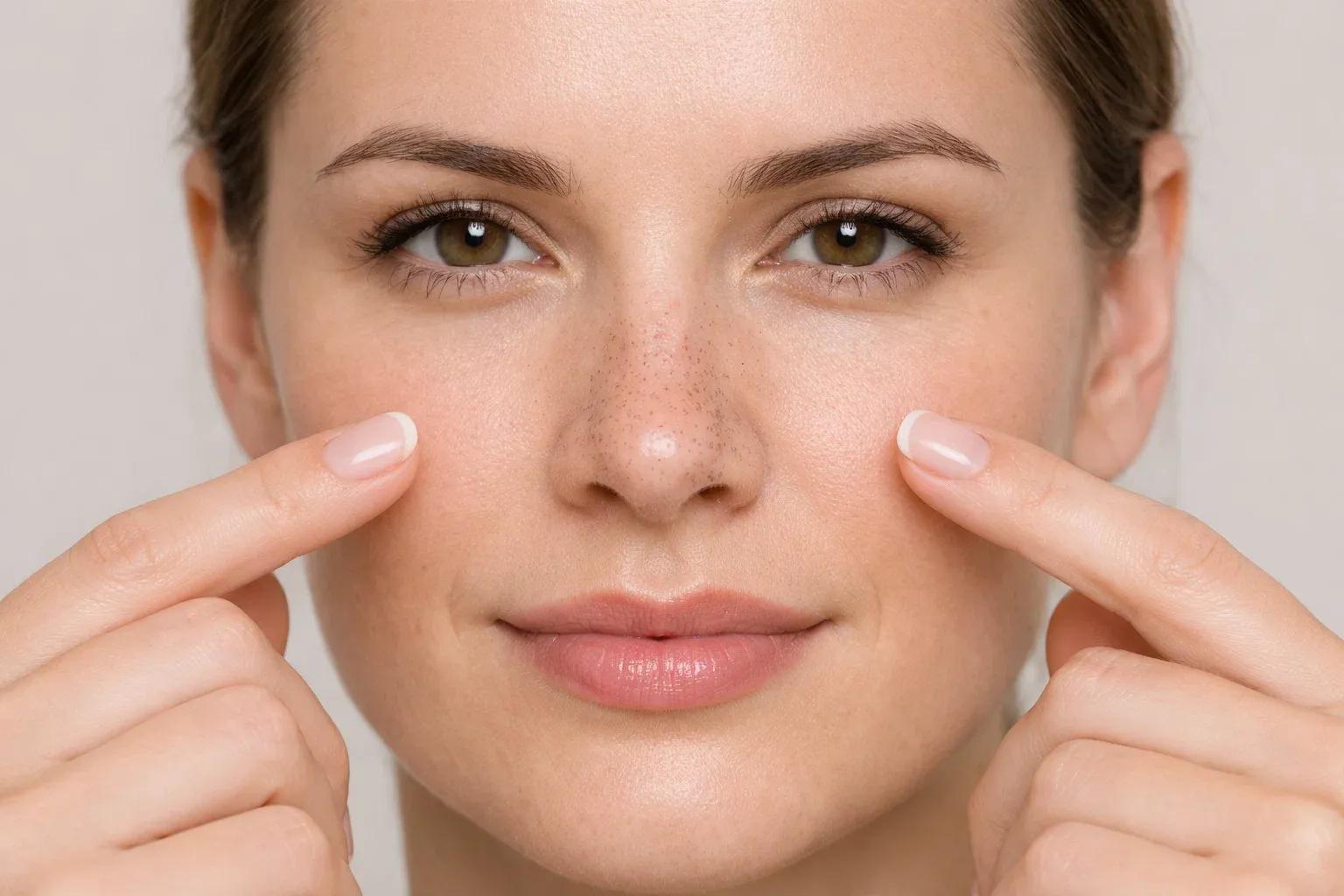
Introduction — The Temptation to Pop: Why We Can’t Resist
That tiny dark spot on your nose seems harmless — until you can’t stop thinking about squeezing it out. The urge to pop blackheads is universal. Psychologically, it’s linked to instant gratification — the idea that clearing the pore equals cleaner skin.
But here’s the catch: popping blackheads isn’t a fix. It can cause inflammation, scarring, and even more breakouts. This article explains why popping blackheads actually makes them worse, and what you should do instead for smoother, healthier skin.
What Are Blackheads, Really?
Blackheads (open comedones) form when pores get clogged with oil (sebum), dead skin cells, and bacteria. When this mixture is exposed to air, it oxidizes and turns black — giving the pore its dark appearance.
They usually appear on the nose, chin, and forehead, where sebaceous glands are most active.
| Type | Appearance | Cause | Treatment Approach |
|---|---|---|---|
| Blackheads | Dark, flat or slightly raised spots | Oxidized sebum + dead skin | Exfoliation, retinoids |
| [whiteheads](https://clearritual.com/blog/types-of-acne/all-about-whiteheads) | Small, white bumps | Trapped oil under skin | Gentle cleansing, topical treatments |
While both are forms of acne, blackheads are open to air — making them trickier to manage without damaging your skin.
Why Popping Blackheads Makes Them Worse
When you squeeze a blackhead, you’re applying uneven pressure to your pore. Instead of pushing debris out, you often push it deeper into the skin — leading to inflammation and infection.
Here’s what can happen when you pop blackheads at home:
-
Bacteria Transfer: Your fingers introduce new bacteria to open pores.
-
Inflammation: Pressure triggers redness, swelling, and even Cystic Acne.
-
Scarring & Pigmentation: The trauma can leave dark marks or permanent scars.
-
Enlarged Pores: Damaged pores lose elasticity, making them look larger.
Dermatologist insight: “Every time you pop a blackhead, you risk damaging your skin barrier and triggering more oil production — setting the stage for new breakouts,” says Dr. Priya Nair, MD, Dermatology.
The Science Behind Skin Damage from Popping
Your skin barrier — made of lipids and proteins — protects against bacteria, pollutants, and moisture loss. Popping disrupts this barrier, creating micro-tears that make your skin more vulnerable.
Here’s what happens underneath:
-
Popping = Trauma to the skin
-
Inflammation = More oil production
-
More oil = More clogged pores
-
Delayed healing = Higher infection risk
Over time, this cycle weakens the skin’s defense and leads to chronic congestion and rough texture.
What You Should Do Instead
Dermatologists recommend safer, more effective alternatives that clear blackheads without damaging the skin barrier.
| Method | How It Works | Frequency | Ideal For |
|---|---|---|---|
| Salicylic Acid | Dissolves oil inside pores | 2–3x/week | Oily skin |
| Retinoids | Boost cell turnover and prevent clogging | Nightly | Persistent blackheads |
| Clay Masks | Absorb excess sebum, detoxify pores | 1–2x/week | Combination skin |
| Professional Extraction | Manual but sterile removal | Monthly | Severe or recurring cases |
Pro Tip: Always follow exfoliation with a lightweight, non-comedogenic moisturizer to maintain skin balance.
Prevention Tips to Keep Blackheads Away
Consistency, not force, is the secret to blackhead-free skin. Follow these dermatologist-approved daily habits:
-
Double cleanse — especially if you wear makeup or sunscreen.
-
Avoid touching your face — reduce bacteria transfer.
-
Change pillowcases & towels weekly — bacteria can accumulate easily.
-
Use non-comedogenic skincare — products that don’t clog pores.
-
Hydrate — both inside (water) and outside (moisturizer).
Healthy habits prevent buildup, keeping your pores clear and skin smooth.
Myths vs. Facts About Blackheads
| Myth | Fact |
|---|---|
| Blackheads are dirt in pores | They’re oxidized oil and dead skin cells |
| Scrubbing hard removes them | Over-scrubbing irritates and worsens pores |
| Only oily skin gets blackheads | All skin types can have them |
| You can shrink pores permanently | You can only reduce their appearance |
| Toothpaste or glue removes blackheads | These methods damage the skin barrier |
When to See a Dermatologist
It’s time to see a professional if you notice:
-
Blackheads keep returning despite regular care
-
Skin shows signs of infection or cystic acne
-
Scarring or pigmentation develops
Dermatologist treatments may include:
-
Chemical peels to exfoliate deeply
-
Microdermabrasion for smoother texture
-
Laser therapy to target oil glands safely
If over-the-counter products don’t help, a dermatologist can create a personalized plan suited to your skin type.
Conclusion — Be Kind to Your Skin
Popping may feel like an easy fix, but it damages your skin in the long run. Clear skin isn’t about force — it’s about patience, protection, and proper care.
Remember: Healthy skin thrives on consistency, not squeezing.
Stop popping, start healing — choose science-backed skincare instead.
FAQs
1. Can blackheads go away on their own? Sometimes, but gentle exfoliation speeds up the process safely.
2. Are pore strips safe to use? Occasionally, yes — but they can irritate sensitive skin and don’t prevent recurrence.
3. Do blackheads mean dirty skin? No. They result from oil buildup and oxidation, not hygiene issues.
4. What happens if I never remove blackheads? They may stay or enlarge over time — but popping isn’t the solution.
5. Is it okay to use DIY remedies like baking soda or lemon? Avoid them. They can disrupt your skin’s pH and worsen irritation.
Editorial Standards
Clear Ritual has Strict sourcing guidelines to ensure our content is accurate and current. We rely on peer-reviewed studies, academic research institutions, and medical associations. We strive to use primary sources and refrain from using tertiary references. See a mistake? Learn More about our Editorial Standards.



