




Cystic Acne on Back and Body
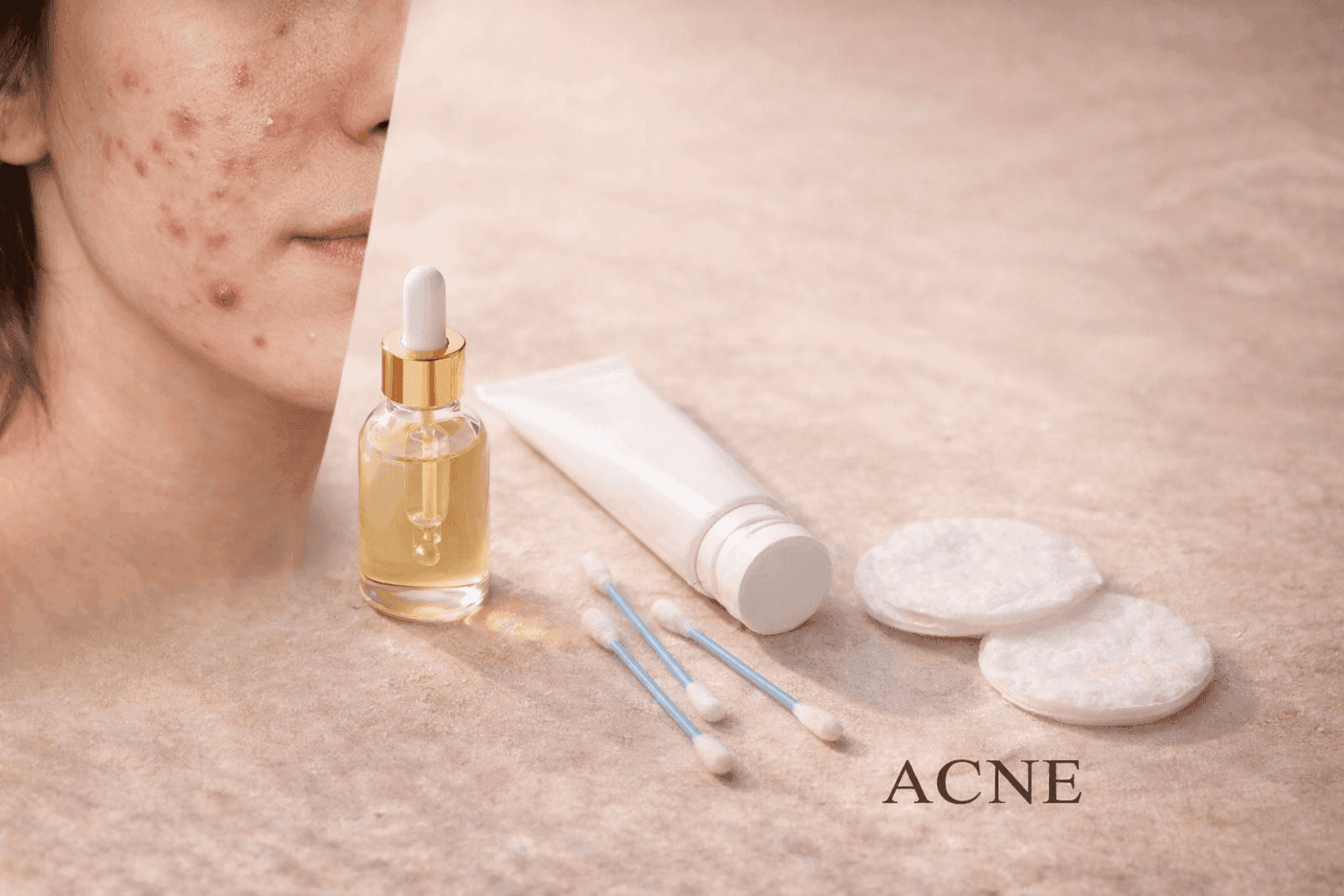
Cystic Acne on the back and body forms when oil glands become deeply clogged and infected beneath the skin, creating painful, inflamed nodules. Unlike surface breakouts, these lesions develop deep within the dermis where sebum, dead cells, and bacteria trigger an intense immune response that damages surrounding tissue.
Key Takeaways:
- body acne forms deeper than facial acne due to larger sebaceous glands and thicker skin on the back and shoulders
- Friction, sweat, and occlusion trap bacteria and oil inside follicles, triggering inflammation
- Hormonal fluctuations increase sebum production, creating an environment where acne bacteria thrive
- Proper cleansing after sweating and wearing breathable fabrics help reduce mechanical triggers
- Persistent cystic acne requires professional evaluation to prevent scarring and address underlying causes
What Makes Body Acne Different
The skin on your back, shoulders, and chest behaves differently than facial skin. Sebaceous glands in these areas are significantly larger and produce more oil. The skin itself is thicker, which means pores can become deeply clogged before you notice surface signs. When a follicle ruptures deep within this thicker dermis, the inflammatory response becomes more severe.
Your back also experiences constant friction from clothing, backpacks, and sports equipment. This mechanical pressure pushes surface bacteria deeper into pores while simultaneously irritating the follicle lining. Combined with heat and moisture trapped against the skin, this creates an ideal environment for the bacteria Cutibacterium acnes to multiply rapidly.
How Cystic Acne Develops Beneath the Skin
Cystic acne begins when a hair follicle becomes completely blocked. Dead skin cells that normally shed to the surface instead accumulate inside the pore, mixing with sebum to form a dense plug. As this obstruction grows, it stretches the follicle wall while bacteria multiply in the oxygen-poor environment.
Your immune system recognizes these bacteria and sends white blood cells to the area. These cells release enzymes designed to destroy invaders, but they also damage the follicle wall. When the wall ruptures, bacteria, sebum, and cellular debris spill into the surrounding dermis. This triggers a massive inflammatory response that creates the deep, painful nodules characteristic of cystic acne.
Unlike surface whiteheads or blackheads, cystic lesions lack a visible opening. The infection remains trapped beneath layers of skin, where inflammation continues damaging collagen and tissue. This explains why cystic acne often leaves permanent scarring and why squeezing provides no relief - there is simply no pathway for the material to escape.
Common Triggers That Worsen Body Acne
Sweat itself does not cause acne, but remaining in damp workout clothes creates problems. Moisture softens the outer layer of skin, making it easier for bacteria and yeast to penetrate pores. Salt and minerals in dried sweat can also irritate follicle openings, increasing inflammation in already-compromised areas.
Tight athletic wear and synthetic fabrics trap heat and moisture against the skin. This occlusion prevents natural evaporation while creating friction that physically pushes bacteria into pores. The constant rubbing also stimulates oil glands to produce more sebum as a protective response.
Hair products containing heavy oils, silicones, and conditioning agents frequently contribute to back acne. When you rinse shampoo or conditioner, these ingredients run down your back and deposit a thin film over pores. This residue mixes with your natural sebum, creating a more stubborn blockage that standard body washing cannot remove.
High-glycemic foods cause rapid spikes in blood sugar, which triggers your pancreas to release insulin. Elevated insulin increases the production of androgens - hormones that directly stimulate sebaceous glands to enlarge and produce more oil. This hormonal cascade also affects how quickly skin cells turnover, leading to more dead cells accumulating inside pores.
The Hormonal Connection
Androgens are the primary hormonal drivers of cystic acne. These hormones bind to receptors on sebaceous glands, signaling them to grow larger and manufacture more sebum. During puberty, menstrual cycles, or periods of stress, androgen levels fluctuate significantly, which explains why breakouts often worsen at predictable times.
Cortisol, your body's main stress hormone, also influences acne development. Chronic stress keeps cortisol levels elevated, which increases inflammation throughout your body, including your skin. Cortisol also stimulates oil production and can disrupt the balance of other hormones that regulate skin function.
Sleep deprivation compounds these hormonal effects. Your body performs critical repair processes during deep sleep, including regulating hormone production and reducing inflammatory markers. When you consistently sleep fewer than seven hours, cortisol remains elevated while growth hormone - which helps repair damaged skin tissue - decreases.
Why the Skin Barrier Matters
Your skin barrier is a complex structure of lipids, proteins, and cells that prevents water loss while blocking external irritants. When this barrier becomes compromised through harsh cleansing, excessive scrubbing, or chemical irritation, several problems emerge simultaneously.
A damaged barrier allows more bacteria to penetrate deeper into pores. It also loses its ability to retain moisture, which triggers sebaceous glands to compensate by producing additional oil. This creates a counterproductive cycle where your skin becomes both dehydrated and oily at the same time.
Inflammation increases whenever the barrier is disrupted. Your immune system recognizes the breach and sends inflammatory mediators to the area, which makes existing acne lesions more painful while potentially triggering new breakouts. The barrier also houses beneficial microorganisms that compete with acne-causing bacteria - when this microbial balance shifts, harmful bacteria populations can expand unchecked.
Understanding Acne Bacteria and the Microbiome
Cutibacterium acnes lives naturally on everyone's skin, feeding on sebum within hair follicles. In balanced conditions, these bacteria cause no problems. However, when a follicle becomes blocked and oxygen-depleted, certain strains of C. acnes multiply rapidly and produce inflammatory compounds that damage tissue.
Your skin microbiome includes thousands of bacterial, fungal, and viral species that interact with each other and your immune system. Beneficial bacteria produce antimicrobial peptides that help control pathogenic organisms. They also communicate with immune cells, helping to calibrate inflammatory responses appropriately.
Over-washing with antibacterial products disrupts this microbial community. While you may temporarily reduce C. acnes populations, you also eliminate beneficial species. The empty ecological niches are often quickly recolonized by opportunistic organisms, potentially leaving your skin more vulnerable than before. This explains why aggressive cleansing routines sometimes worsen acne despite removing surface oil.
Lifestyle Factors That Influence Severity
Physical activity increases blood flow to the skin, which supports healing and nutrient delivery. However, the mechanical friction from certain exercises creates problems. Rowing machines, heavy backpacks during hiking, and tight sports bras all create repetitive pressure that inflames follicles and forces bacteria deeper into pores.
Your shower routine timing matters significantly. Allowing sweat to dry on your skin gives bacteria extended contact time with pores. The combination of salt, oils, and warmth creates an ideal bacterial growth environment. Delaying your post-workout shower by even 30 minutes can make a measurable difference in breakout frequency.
Laundry practices also play a role. Fabric softeners and dryer sheets leave a waxy coating on clothing that transfers to your skin. This residue can accumulate inside pores, especially in areas where clothing fits tightly. Sheets and towels harbor bacteria, dead skin cells, and body oils - using the same towel multiple times or changing bed linens infrequently means repeatedly exposing your skin to these accumulated materials.
Dehydration affects skin function in multiple ways. When your body lacks adequate water, it cannot efficiently flush metabolic waste products or maintain proper cell turnover. Your skin becomes less resilient, and the sebum your glands produce becomes thicker and more likely to create stubborn blockages.
Early Warning Signs and Progression
Cystic acne rarely appears suddenly. Most people notice subtle changes weeks before obvious lesions develop. The skin in affected areas may feel slightly thicker or bumpy without visible inflammation. You might experience tenderness when pressure is applied, indicating developing inflammation beneath the surface.
As lesions progress, you will notice firm nodules that remain beneath the skin rather than coming to a head. These bumps feel warm to the touch and become increasingly painful. The surrounding skin often appears red or purple as blood flow increases to the inflamed area.
Without intervention, individual cysts can persist for weeks or months. As your immune system attempts to wall off the infection, it creates a fibrous capsule around the lesion. This protective measure actually makes the cyst harder to resolve because topical treatments cannot penetrate the capsule, and the enclosed material cannot drain naturally.
What Helps Manage Body Acne
Cleansing timing matters more than product choice. Showering within 15 minutes after sweating prevents bacteria from establishing themselves inside pores. Use lukewarm water rather than hot, which strips protective lipids and triggers rebound oil production. Focus on gentle physical contact - aggressive scrubbing damages the skin barrier and spreads bacteria to unaffected areas.
Salicylic acid penetrates oil-filled pores more effectively than water-based ingredients. This beta-hydroxy acid dissolves the bonds holding dead skin cells together, helping to clear existing blockages while preventing new ones. It also provides mild antibacterial effects and reduces inflammation. Applied to damp skin after showering, it can reach deeper into pores before they close.
Benzoyl peroxide creates an oxygen-rich environment that C. acnes cannot survive in. It also helps loosen the plugs blocking follicles. However, it bleaches fabric, so allow it to dry completely before dressing. Start with lower concentrations to assess tolerance - damaged skin barriers absorb more of the active ingredient, which can cause excessive dryness and irritation.
Wearing loose, breathable fabrics reduces mechanical irritation and allows moisture to evaporate naturally. Natural fibers like cotton wick sweat away from skin more effectively than synthetic materials. After workouts, changing into dry clothing immediately prevents the occlusive effect of damp fabric pressed against your back.
Adjusting your hair care routine can eliminate a significant trigger. Rinse conditioner thoroughly, then flip your hair forward while washing your body to prevent product residue from coating your back. Consider using lighter, water-based styling products that rinse cleanly rather than oil-based formulas.
When Professional Evaluation Becomes Necessary
Cystic acne creates permanent scarring because inflammation damages collagen and elastin in the dermis. Once this structural damage occurs, the skin cannot fully repair itself without intervention. Seeing a dermatology professional early in the progression prevents extensive scarring that requires complex treatments later.
If you develop widespread cystic lesions across your back, shoulders, or chest, this suggests a systemic issue rather than a simple skincare problem. Hormonal imbalances, metabolic conditions, or medication side effects may be contributing factors that require medical assessment.
Lesions that become extremely painful, show signs of spreading infection (red streaks, fever, rapid swelling), or do not improve after several weeks of consistent home care warrant immediate professional attention. These symptoms indicate that the infection has overwhelmed your immune system's local response and may require systemic treatment.
Emotional distress from severe acne is a legitimate medical concern. The psychological impact of painful, visible skin lesions affects quality of life, self-esteem, and social engagement. Professional treatment addresses both the physical and emotional aspects of the condition.
Understanding Internal Triggers: Clear Ritual's Perspective
Body acne develops from multiple interconnected factors including hormonal fluctuations, genetic predisposition, inflammatory responses, microbiome balance, and environmental triggers. While proper cleansing, fabric choices, and topical treatments manage surface symptoms, they often cannot fully resolve the condition because they do not address underlying internal drivers. Each person's acne results from a unique combination of triggers - what works for one individual may prove ineffective for another. At Clear Ritual, we combine the best of three worlds - Ayurveda, modern dermatology, and advanced skin science - to understand individual triggers through a structured skin assessment. This comprehensive approach examines patterns in your lifestyle, physiology, and environment to identify specific factors contributing to your breakouts. Understanding these personalized triggers creates a foundation for targeted, sustainable skin stability rather than temporary symptom management.
Frequently Asked Questions
Why does cystic acne on the body hurt more than facial acne?
Body skin is thicker with larger, more active sebaceous glands. Cystic lesions form deeper within this tissue, and the inflammation affects more nerve endings. The back and shoulders also experience constant movement and friction from clothing, which aggravates the already-inflamed tissue and increases pain signals.
Can body acne spread from one area to another?
Acne itself is not contagious, but bacteria from ruptured lesions can transfer to other areas through touching, shared towels, or clothing. The same underlying factors causing acne in one location - excess oil production, hormonal activity - typically affect multiple body areas simultaneously, which is why breakouts often appear in clusters across the back, shoulders, and chest.
Does exfoliating help or worsen body acne?
Gentle chemical exfoliation with salicylic acid helps by clearing dead skin cells from pore openings. However, physical scrubbing with loofahs, brushes, or grainy scrubs damages inflamed skin, spreads bacteria, and worsens inflammation. The mechanical trauma triggers your skin to thicken defensively, which can actually create more stubborn blockages.
How long does it take for cystic body acne to heal?
Individual cystic lesions typically take four to six weeks to resolve without treatment because the deep inflammation must gradually decrease while your body reabsorbs the damaged tissue. With appropriate care, this timeline can shorten to two to three weeks. Scarring begins forming within the first week of a cyst's development, which is why early intervention matters.
Why does body acne get worse in summer?
Heat increases sebum production while humidity creates a film of moisture on skin that traps oil and bacteria. Sweat accumulation, especially under synthetic athletic wear or swimwear, creates an occlusive environment. Sunscreen products, while necessary for protection, can also clog pores if not formulated as non-comedogenic and removed properly.
Can changing my diet clear body acne?
Diet influences acne through hormonal and inflammatory pathways, but rarely acts as the sole cause or cure. Reducing high-glycemic foods and dairy may help some individuals by lowering insulin spikes and reducing hormonal stimulation of oil glands. However, diet changes work best as part of a comprehensive approach that addresses all contributing factors.
Is body acne a sign of poor hygiene?
No. Cystic acne results from internal factors like hormone levels, genetics, and immune response - not dirt. Over-washing actually worsens acne by damaging the skin barrier and disrupting the protective microbiome. People with severe body acne often have excellent hygiene practices; the condition stems from physiology rather than cleanliness.
Will body acne leave permanent scars?
Cystic acne carries high scarring risk because inflammation damages deep skin structures. The severity of scarring depends on lesion depth, how long inflammation persists, and individual healing capacity. Picking or squeezing cysts significantly increases scarring by spreading infection and causing additional tissue trauma. Early professional treatment minimizes permanent marks.
Editorial Standards
Clear Ritual has Strict sourcing guidelines to ensure our content is accurate and current. We rely on peer-reviewed studies, academic research institutions, and medical associations. We strive to use primary sources and refrain from using tertiary references. See a mistake? Learn More about our Editorial Standards.



