Guidance

Guidance from Skin Coaches

FreeConsulation

1:1 Guidance

ScienceBacked

Science Backed Formulation

Combination

Combination of Ayurveda, Dermatology, and Advanced Science

RootCause

We Fix the Internal Trigger

Clear Ritual
Shop

Cystic Acne on Cheeks and Forehead

Cystic acne on cheeks and forehead areas

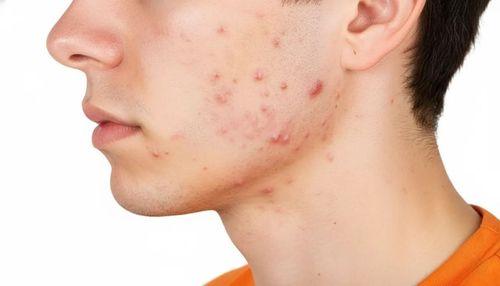
Cystic Acne on the cheeks and forehead develops when deep inflammation traps sebum, bacteria, and dead cells beneath the skin, forming large, painful nodules. Unlike surface breakouts, these lesions form in the deeper dermal layers where oil glands become severely blocked and inflamed, often leaving marks even after healing.

Key Takeaways:

  • Cystic acne forms deep under the skin when oil glands become severely inflamed and blocked
  • Cheeks and forehead are common sites due to high sebaceous gland density
  • Hormonal fluctuations, stress, and barrier damage often trigger deep inflammation
  • These lesions require different care than surface Pimples due to their depth
  • Professional guidance helps prevent scarring and manage underlying triggers

What Makes Cystic Acne Different

Cystic acne represents the most severe form of inflammatory acne. While regular pimples form close to the skin surface, cystic lesions develop much deeper within the dermis. These painful nodules feel like firm bumps under the skin and rarely come to a visible head.

The fundamental difference lies in the inflammatory cascade. When a pore becomes deeply blocked, immune cells rush to the area. This creates a contained pocket of inflammation that swells with fluid, dead cells, and inflammatory compounds. The surrounding tissue becomes damaged, which explains why cystic acne often leaves persistent marks or indented scars.

Why Cheeks and Forehead Are Vulnerable

The forehead and cheeks contain particularly dense concentrations of sebaceous glands. These oil-producing structures become more active during hormonal shifts, making these facial zones prone to deep breakouts.

Forehead acne often relates to specific lifestyle factors. Hair products containing silicones or oils can migrate onto the skin during sleep or sweating. Hats, headbands, and frequent touching introduce friction and bacteria. The forehead also produces significant amounts of sebum, especially in the T-zone area where oil glands are most concentrated.

Cheek acne follows different patterns. The skin here faces constant exposure to phones, pillowcases, and hands throughout the day. Pressure and friction from these surfaces can push bacteria deeper into pores. Additionally, cheek skin tends to be more reactive to internal factors like hormonal changes and dietary triggers.

The Deep Inflammation Process

Understanding what happens beneath the surface helps explain why cystic acne behaves differently than other breakouts.

When a pore becomes blocked, sebum continues accumulating behind the obstruction. The trapped environment allows Cutibacterium acnes bacteria to multiply rapidly. These bacteria produce enzymes that break down sebum into inflammatory fatty acids.

The immune system detects this activity and responds aggressively. White blood cells flood the area, releasing inflammatory molecules called cytokines. This creates a deep pocket of inflammation that extends into the dermis. Unlike surface pustules that can drain, cystic lesions remain trapped beneath intact skin layers.

The prolonged inflammation damages surrounding collagen and tissue. Even after the active breakout resolves, this structural damage often remains visible as depressed scars or persistent red marks.

Primary Triggers and Contributing Factors

Cystic acne rarely has a single cause. Multiple internal and external factors typically converge to create the conditions for deep inflammation.

Hormonal fluctuations rank among the most significant triggers. Androgens like testosterone stimulate sebaceous glands to produce more oil. This explains why cystic acne often appears or worsens during puberty, menstrual cycles, pregnancy, or periods of high stress. Cortisol elevation from chronic stress further amplifies oil production while suppressing immune function.

Barrier dysfunction plays a critical role that many overlook. When the skin's protective barrier becomes compromised through harsh cleansing, over-exfoliation, or environmental damage, the skin attempts to compensate by producing more oil. Simultaneously, the weakened barrier allows bacteria and irritants to penetrate more easily.

Dietary patterns influence inflammatory pathways throughout the body. High glycemic foods cause rapid insulin spikes, which increase androgen production and sebum output. Dairy products contain hormones and bioactive molecules that may trigger acne in susceptible individuals. These dietary effects become more pronounced when combined with other triggers.

The skin microbiome composition matters significantly. When beneficial bacterial populations become disrupted through antibiotic use, harsh products, or other factors, opportunistic acne-causing bacteria can dominate. This microbial imbalance creates persistent inflammation.

Common Habits That Worsen Deep Breakouts

Certain daily behaviors unknowingly aggravate cystic acne by increasing inflammation or introducing bacteria.

Aggressive cleansing strips away the skin's natural lipid layer. This triggers a rebound effect where sebaceous glands overproduce oil to compensate for the loss. The disrupted barrier also becomes more vulnerable to bacterial colonization and inflammatory triggers.

Picking or attempting to extract cystic lesions forces bacteria and inflammatory material deeper into tissue. This spreads infection to surrounding areas and dramatically increases scarring risk. The trauma from picking also triggers additional inflammatory responses that extend healing time.

Heavy or occlusive cosmetics can trap sebum and bacteria inside pores. Products containing comedogenic ingredients like certain oils, silicones, and waxes create physical barriers that prevent normal sebum flow. This becomes particularly problematic when makeup is not thoroughly removed before sleep.

Inconsistent sleep patterns disrupt hormonal regulation and impair skin repair processes. The skin performs most of its healing and regeneration during deep sleep phases. Sleep deprivation also elevates cortisol levels, which increases oil production and inflammatory susceptibility.

What Happens Inside Compromised Skin

The skin barrier consists of cells held together by lipids, forming a protective wall against external threats. When this barrier weakens, multiple problems cascade simultaneously.

Transepidermal water loss increases, leaving skin dehydrated despite excess oil production. The skin compensates by triggering sebaceous glands to produce more sebum. This creates the confusing combination of oily yet dehydrated skin that many with cystic acne experience.

The compromised barrier allows irritants, pollutants, and bacteria to penetrate more easily. Immune cells remain in a constant state of alert, creating chronic low-grade inflammation throughout the skin. This inflammatory environment makes pores more reactive to any trigger.

The skin's pH balance shifts when the barrier is damaged. Healthy skin maintains a slightly acidic pH that inhibits harmful bacterial growth. When this protective acidity is lost through harsh cleansing or barrier damage, acne-causing bacteria thrive more easily.

Early Warning Signs and Pattern Recognition

Cystic acne often announces itself before fully formed lesions appear. Recognizing these early signals allows for earlier intervention.

Deep, tender areas that feel warm or painful indicate inflammation forming beneath the surface. These sensitive zones often develop into full cysts within days. The skin may appear slightly swollen or feel firmer than surrounding areas even before visible redness appears.

Persistent areas that repeatedly break out in the same location suggest underlying pore damage or chronic inflammation. Once a pore experiences deep inflammation, it becomes more vulnerable to future blockages. The structural damage from previous cysts creates weak points where new inflammation develops more easily.

Increased oil production concentrated in specific zones indicates sebaceous gland hyperactivity. When particular areas become noticeably shinier or greasier than usual, it signals hormonal or inflammatory changes affecting those glands.

Supporting Skin Recovery and Prevention

Managing cystic acne requires addressing multiple factors simultaneously rather than focusing on surface symptoms alone.

Gentle, barrier-supporting cleansing removes debris without triggering defensive oil production. Using lukewarm water and mild cleansers preserves the lipid layer while still cleaning effectively. Harsh scrubbing or strong detergents damage the barrier and worsen the inflammation cycle.

Maintaining skin hydration through humectants and occlusives helps restore barrier function. When the skin receives adequate moisture through proper hydration products, it reduces compensatory oil production. This also supports the skin's natural healing processes.

Managing stress through consistent sleep, movement, and relaxation practices helps regulate cortisol and hormone levels. While stress alone does not cause cystic acne, it significantly amplifies other triggers and impairs skin healing.

Avoiding pore-clogging products and regularly cleaning items that contact the face reduces bacterial transfer. Pillowcases, phones, and makeup brushes harbor bacteria that can introduce new inflammation. Switching pillowcases every few days and cleaning phones with alcohol wipes minimizes this risk.

FactorHow It Affects SkinWhat Helps
Hormonal shiftsIncreases oil production and inflammationStress management, consistent sleep
Barrier damageAllows bacterial penetration, triggers oil overproductionGentle cleansing, proper hydration
Diet patternsInfluences insulin and inflammatory pathwaysLower glycemic choices, reduced dairy
Sleep deprivationElevates cortisol, impairs healing7–9 hours nightly, consistent schedule
Friction and pressurePushes bacteria deeper, irritates skinClean pillowcases, minimal face touching

Inflammation Management Considerations

Deep inflammatory acne responds differently than surface breakouts because the inflammation occurs in tissue layers that topical products struggle to reach effectively.

Surface treatments work primarily on the upper skin layers. While they can help prevent new blockages and manage surface bacteria, they have limited impact on deep dermal inflammation. This explains why people often feel frustrated when standard acne products fail to address cystic lesions.

Anti-inflammatory approaches that work systemically often prove more effective for deep acne. This includes dietary modifications that reduce inflammatory pathways, stress management that lowers cortisol, and adequate sleep that supports immune regulation.

The inflammatory cascade in cystic acne involves multiple chemical messengers and immune cells. Interrupting this process requires addressing the triggers that initiate inflammation rather than only treating visible symptoms.

When Professional Guidance Becomes Essential

Certain situations warrant dermatologist consultation rather than continued self-management.

Cystic lesions that persist for weeks without improvement indicate inflammation that requires professional intervention. The longer deep inflammation remains active, the greater the risk of permanent scarring and tissue damage.

Rapidly spreading breakouts or sudden severe flares suggest systemic triggers that need medical evaluation. This could indicate hormonal imbalances, medication reactions, or other underlying conditions requiring proper diagnosis.

Emotional distress or confidence impacts from persistent acne represent valid reasons to seek help. Skin conditions affect quality of life significantly, and professional treatment can provide both physical improvement and emotional relief.

Signs of infection including increasing pain, warmth, spreading redness, or fever require immediate medical attention. While rare, severe acne can occasionally lead to deeper skin infections that need antibiotic treatment.

Understanding Internal Triggers: Clear Ritual's Perspective

Cystic acne develops from the complex interaction of multiple factors including hormone fluctuations, sebum production, inflammation, barrier function, stress responses, sleep quality, dietary patterns, and genetic predisposition. While topical treatments, lifestyle adjustments, and home remedies may provide temporary symptom relief, they often cannot fully resolve persistent cystic acne because they do not identify and address each individual's specific combination of underlying triggers.

Clear Ritual combines the best of three worlds - Ayurveda, modern dermatology, and advanced skin science - to understand individual triggers through a structured skin assessment. This approach recognizes that effective management requires identifying which specific internal and external factors are driving inflammation in each unique case. Understanding your personal trigger patterns rather than applying generic solutions helps create the foundation for genuine long-term skin stability and reduced recurrence.

Frequently Asked Questions

Why does cystic acne hurt more than regular pimples?

Cystic acne forms deep in the dermis where nerve endings are more concentrated. The intense inflammation creates pressure on surrounding tissue and nerves, causing significant pain. Unlike surface pimples, the trapped inflammation cannot drain, which increases pressure and discomfort.

Can I pop or drain a cystic pimple at home?

No. Attempting to pop cystic acne pushes bacteria and inflammatory material deeper into tissue, spreading infection and dramatically increasing scarring risk. Cystic lesions lack a surface opening, so squeezing only causes further damage without releasing the trapped inflammation.

How long does cystic acne take to heal?

Individual cystic lesions typically take 2–4 weeks to resolve, though some persist longer. The deep inflammation requires significant time to break down and reabsorb. Marks and discoloration often remain for months after the active lesion heals due to post-inflammatory changes.

Why do I only get cystic acne on my cheeks and forehead?

These areas contain high concentrations of sebaceous glands that respond strongly to hormonal signals. Cheeks also experience frequent contact with phones, pillowcases, and hands, while foreheads encounter hair products and friction from hats. This combination of dense oil glands and external triggers makes these zones particularly vulnerable.

Does diet really affect cystic acne?

Diet influences inflammatory pathways and hormone levels throughout the body. High glycemic foods increase insulin and androgen production, which stimulates oil glands. Dairy contains hormones and bioactive compounds that may trigger acne in susceptible individuals. While diet alone rarely causes cystic acne, it often amplifies other triggers.

Will cystic acne always leave scars?

Not necessarily, though the risk is significant without proper management. The depth of inflammation and individual healing responses determine scarring likelihood. Avoiding picking, addressing inflammation early, and supporting barrier healing reduces scarring risk considerably.

Can stress cause cystic acne on its own?

Stress amplifies acne triggers but rarely causes cystic acne independently. Cortisol elevation from chronic stress increases oil production, impairs immune function, and enhances inflammatory responses. When combined with other factors like hormonal fluctuations or barrier damage, stress significantly worsens deep breakouts.

Why isn't my skincare routine working for cystic acne?

Cystic acne forms deep in the dermis where topical products have limited penetration. Surface treatments cannot effectively address deep inflammation or the systemic triggers driving oil production and inflammatory responses. Successful management requires identifying and addressing the underlying internal factors creating the conditions for deep inflammation.

Editorial Standards

Hims & Hers has Strict sourcing guidelines to ensure our content is accurate and current. We rely on peer-reviewed studies, academic research institutions, and medical associations. We strive to use primary sources and refrain from using tertiary references. See a mistake? Learn More about our Editorial Standards.
Clear Ritual

Targeted Acne Care, Visible Results.

Customised Care. Clinical Results.

Coming Soon.

Clear Ritual App.

For iOS and Android

© 2026 Clear Ritual. All rights reserved.