




Difference Between Nodular Acne and Cystic Acne
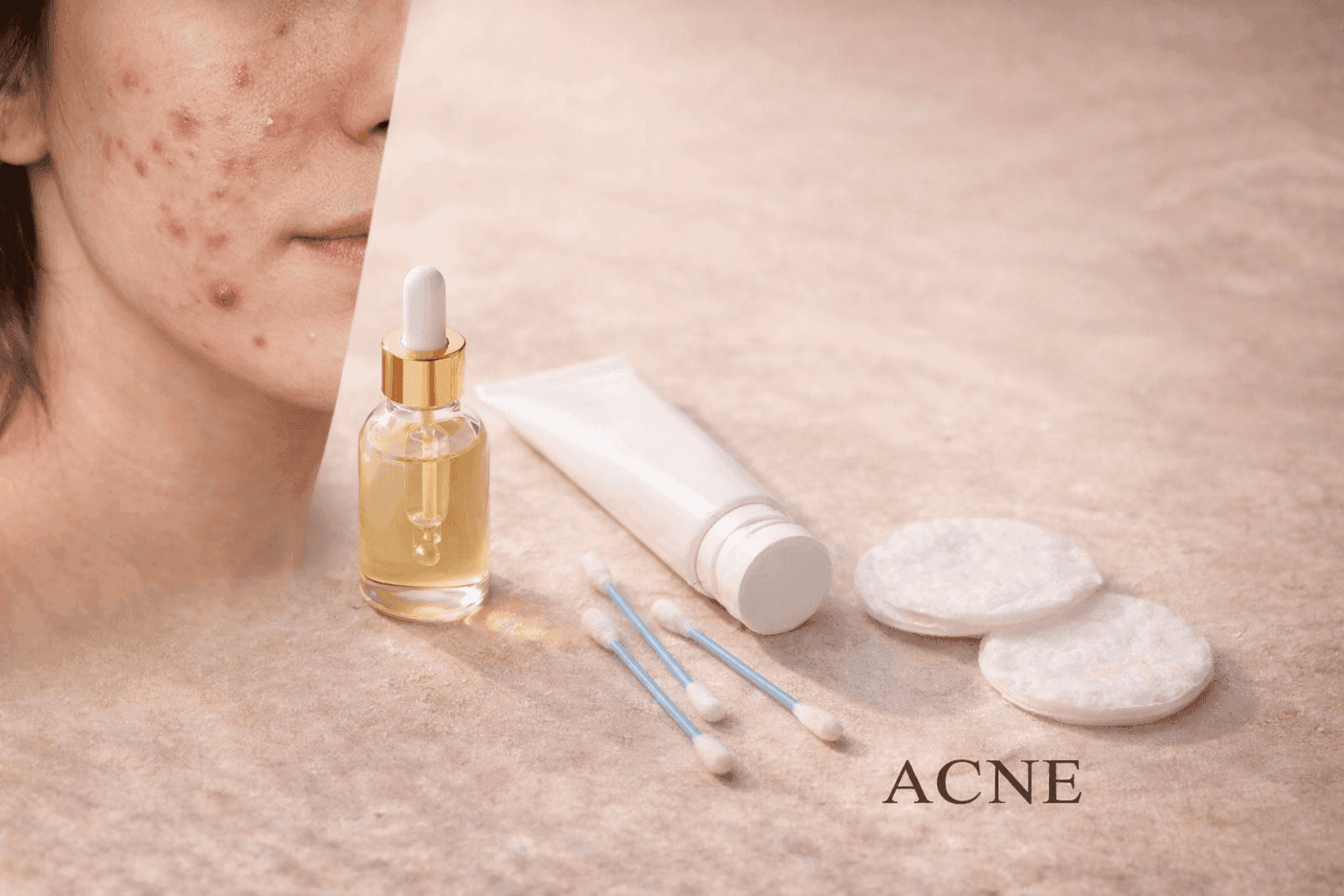
Both nodular and Cystic Acne develop deep within the skin when oil, dead cells, and bacteria trigger intense inflammation below the surface. Nodular acne forms hard, painful lumps that stay solid under the skin, while cystic acne creates softer, pus-filled pockets that feel more fluid and often appear red or swollen.
Key Takeaways:
- Nodular acne creates firm, solid bumps deep in the dermis without a visible head
- Cystic acne forms softer, fluid-filled sacs that may feel movable under the skin
- Both types cause significant inflammation and can lead to permanent scarring
- Neither responds well to over-the-counter treatments alone
- Professional dermatological care is essential for both conditions to prevent long-term skin damage
What Makes Deep Acne Different
When we talk about acne, most people picture small whiteheads or blackheads that sit near the skin's surface. But nodular and cystic acne behave completely differently. These forms develop deep within the dermis, far below where topical treatments can easily reach. The inflammation extends so deeply that the skin's structural proteins become damaged, which explains why scarring becomes such a significant concern.
The confusion between nodules and cysts makes sense because both appear as large, painful bumps that don't respond to typical acne treatments. Understanding the difference helps you recognize what's happening beneath your skin and why certain approaches work better than others.
Understanding Nodular Acne
Nodular acne creates hard, painful bumps that remain entirely beneath the skin's surface. These lesions form when a pore becomes completely blocked deep within the follicle. Oil production continues, bacteria multiply, and the immune system responds with aggressive inflammation. Unlike surface Pimples that eventually form a head, nodules stay solid and enclosed.
When you touch a nodule, it feels firm and immovable, almost like a small marble embedded in your skin. The surrounding tissue becomes tender, and the area may appear red or match your normal skin tone. These bumps can persist for weeks or even months because the blockage sits so deep that the body struggles to resolve the inflammation naturally.
The pain associated with nodules comes from pressure building within the confined space. As inflammation intensifies, nerve endings in the surrounding tissue become irritated. This explains why nodular acne often hurts even when you're not touching it.
Understanding Cystic Acne
Cystic acne forms when the same deep blockage occurs, but instead of staying solid, the area fills with pus. These lesions develop as soft, fluid-filled sacs beneath the skin. The membrane surrounding a cyst creates a distinct pocket that feels different from the solid mass of a nodule.
When you gently press a cyst, you might notice slight movement or a squishy sensation. The skin above typically appears more inflamed, with visible redness and sometimes a white or yellow tint showing through if the cyst sits close enough to the surface. However, unlike smaller pustules, true cystic acne doesn't come to a simple head that you can address with basic extraction.
The fluid inside contains a mixture of dead white blood cells, bacteria, sebum, and cellular debris. This concentrated pocket of infection triggers even more inflammation as the immune system attempts to contain and eliminate the threat. The membrane wall prevents the contents from dispersing naturally, which is why cysts can persist and even grow larger over time.
What Happens Deep in Your Skin
Both conditions start with the same initial problem: excess sebum production combined with abnormal shedding of dead skin cells inside the follicle. Normally, these cells shed gradually and move toward the surface. When this process goes wrong, cells clump together with sticky sebum, creating a dense plug.
Once trapped below this blockage, Cutibacterium acnes bacteria multiply rapidly in the oxygen-free environment. These bacteria release enzymes and other substances that break down the follicle wall. When this wall ruptures, all the contents spill into the surrounding dermis.
Your immune system recognizes this as a significant threat. White blood cells rush to the area, releasing inflammatory chemicals to fight the bacteria and clean up the debris. This immune response causes the swelling, redness, heat, and pain you experience. The intensity of this reaction determines whether you develop a nodule or a cyst, and how much damage occurs to the collagen and elastin structures that keep skin smooth.
Comparing Nodules and Cysts
| Feature | Nodular Acne | Cystic Acne |
|---|---|---|
| Texture | Hard, solid, firm to touch | Soft, fluid-filled, slightly movable |
| Appearance | May be skin-colored or slightly red | Often red, inflamed, may show white/yellow |
| Contents | Solid mass of debris and inflammation | Pus-filled sac with membrane |
| Pain Level | Deep, persistent ache | Intense pressure and tenderness |
| Duration | Weeks to months | Can persist or recur for extended periods |
| Scarring Risk | High risk of atrophic scars | Very high risk of severe scarring |
Why These Forms Develop
Hormonal fluctuations play a central role in both nodular and cystic acne. Androgens increase sebum production and alter the way skin cells behave inside follicles. This explains why these severe forms often emerge during puberty, menstrual cycles, pregnancy, or times of hormonal transition.
Stress elevates cortisol levels, which triggers a cascade of effects including increased oil production and heightened inflammation. When cortisol remains elevated over extended periods, the skin stays in a constant state of reactivity. This creates an environment where deep acne lesions develop more easily and heal more slowly.
Sleep deprivation disrupts the skin's natural repair processes. During deep sleep, your body produces growth hormones that support tissue healing and regulate sebum production. Without adequate rest, inflammation persists longer and the skin barrier becomes compromised, making bacterial invasion more likely.
Diet influences sebum composition and inflammatory responses. High glycemic foods cause insulin spikes that increase androgen activity. Dairy products contain hormones and bioactive molecules that may amplify oil gland activity in susceptible individuals. These dietary factors don't cause acne alone, but they intensify the underlying mechanisms in people already predisposed to deep breakouts.
Genetics determine how your oil glands respond to hormones, how quickly your follicles shed cells, and how aggressively your immune system reacts to bacteria. If your parents experienced severe acne, you carry a higher likelihood of developing similar patterns because these traits pass through families.
What Makes These Forms More Severe
The depth of inflammation separates nodular and cystic acne from milder forms. When inflammation reaches the deeper layers of skin, it damages the structural framework that maintains smooth texture. Fibroblasts that normally produce collagen become disrupted, leading to either excess collagen formation (raised scars) or collagen loss (depressed scars).
Picking, squeezing, or attempting to extract these deep lesions dramatically worsens outcomes. The pressure you apply can rupture the follicle wall even further, spreading infection into a wider area of the dermis. This transforms a single lesion into multiple areas of inflammation and significantly increases scarring risk.
Delayed treatment allows inflammation to persist longer, giving it more time to destroy surrounding tissue. The sooner deep acne receives appropriate intervention, the better chance you have of preventing permanent changes to your skin's architecture.
Early Warning Signs
Deep acne often announces itself before the full lesion develops. You might notice an area that feels tender when you touch it, even though nothing is visible yet. The skin may feel thicker or denser in that spot. Within hours or days, the bump becomes palpable and pain increases.
Some people experience a tingling or itching sensation as the inflammation builds. The affected area may feel warm compared to surrounding skin. These early signals indicate that something significant is developing beneath the surface.
Recognizing these warning signs matters because early intervention can sometimes prevent the lesion from reaching its full severity. Cold compresses can help reduce inflammation, and avoiding manipulation prevents further damage.
Why Surface Treatments Don't Work
Benzoyl peroxide and salicylic acid work well for surface-level acne because they can reach the affected follicles. With nodular and cystic acne, the problem sits too deep for these ingredients to penetrate effectively. Even prescription-strength topical retinoids struggle to address inflammation that extends far into the dermis.
The sebum and cellular plug blocking the pore creates a physical barrier that prevents topical medications from reaching the site of infection. Meanwhile, the inflammation continues unchecked because the immune response happens in tissue layers that surface treatments simply cannot access.
This explains why people often feel frustrated after trying multiple over-the-counter products without improvement. The treatments themselves aren't necessarily ineffective, but they're designed for a different type of acne that develops in more accessible layers of skin.
Approaches That Address Deep Acne
Oral medications work for severe acne because they address the problem systemically, reaching deep tissue through your bloodstream. Antibiotics reduce bacterial populations and decrease inflammation throughout the body. Hormonal treatments regulate the androgen activity that drives excess oil production. Isotretinoin fundamentally changes how sebaceous glands function, dramatically reducing oil output and normalizing cell shedding.
Professional extraction by a dermatologist uses sterile technique and proper tools to drain cysts without spreading infection or causing additional trauma. This procedure requires specific training because improper technique easily worsens the situation.
Corticosteroid injections deliver powerful anti-inflammatory medication directly into the lesion. This rapidly shrinks the swelling and reduces pain, often showing improvement within 24 to 48 hours. These injections also minimize scarring risk by quickly shutting down the destructive inflammatory process.
The Scarring Reality
Both nodular and cystic acne carry high scarring risk because of how deeply inflammation penetrates. Atrophic scars form when collagen destruction exceeds the skin's ability to rebuild tissue. These appear as depressions, divots, or pitted areas that remain after the acne clears.
Ice pick scars create narrow, deep channels. Boxcar scars form wider depressions with defined edges. Rolling scars produce wave-like undulations across the skin surface. Each type reflects a different pattern of collagen damage.
Hypertrophic scars and keloids develop when the healing process produces too much collagen. These raised, firm areas extend beyond the original lesion boundary and can continue growing over time.
Post-inflammatory hyperpigmentation leaves dark spots even after the lesion heals. In deeper skin tones, this discoloration can persist for months or years. While not true scars, these marks significantly affect appearance and can feel just as permanent.
Prevention remains the most effective strategy. Addressing deep acne promptly, avoiding manipulation, and following professional treatment recommendations dramatically reduces the likelihood of permanent scarring.
When Professional Help Becomes Essential
Any acne that develops beneath the skin's surface requires dermatological evaluation. If you can feel a painful bump that doesn't come to a head within a few days, that indicates deep involvement. Multiple nodules or cysts appearing simultaneously suggest systemic factors that need medical attention.
Pain that interferes with daily activities signals significant inflammation that shouldn't be ignored. Lesions that persist for weeks without improvement or keep returning in the same locations need professional assessment.
Previous scarring from acne makes future scarring more likely. If you've already developed permanent marks, seeking treatment earlier for new breakouts helps prevent additional damage.
Emotional distress related to your skin matters just as much as physical symptoms. Severe acne affects self-esteem, social interactions, and mental health. These impacts warrant professional care regardless of whether others consider your acne "bad enough."
Supporting Your Skin During Treatment
While professional treatment addresses the root causes, certain daily practices support your skin's resilience. Gentle cleansing removes surface impurities without stripping protective lipids that maintain barrier function. Over-washing triggers rebound oil production and increases inflammation, creating conditions that favor bacterial overgrowth.
Non-comedogenic moisturizers maintain hydration without occluding pores. When the skin barrier stays intact, it resists bacterial invasion more effectively and recovers from inflammation more quickly.
Clean pillowcases reduce bacterial transfer during sleep. Hair products, makeup, and phone surfaces also carry bacteria that can worsen acne when they contact your skin repeatedly.
Managing stress through consistent sleep, movement, and relaxation practices helps regulate cortisol levels. While stress management alone won't cure severe acne, it removes one factor that intensifies inflammation.
Long-Term Skin Health
After severe acne clears, maintaining results requires ongoing attention to the factors that triggered initial development. Hormonal fluctuations, stress patterns, and dietary habits continue influencing sebum production and inflammation levels.
Some people need maintenance therapy to prevent recurrence. This might include topical retinoids, periodic professional treatments, or continued hormonal management. The specific approach depends on what drove your acne initially and how your skin responds to treatment.
Scar management becomes possible once active acne resolves. Treatments like microneedling, laser therapy, chemical peels, and dermal fillers can improve texture and appearance. These interventions work best after inflammation has completely settled, as treating active acne and scars simultaneously often produces suboptimal results.
Understanding Internal Triggers: Clear Ritual's Perspective
Severe acne forms develop from multiple converging factors including hormonal activity, genetic predisposition, inflammation patterns, stress responses, and barrier function. Surface treatments and single-approach strategies often provide incomplete results because they address only one piece of a complex puzzle. At Clear Ritual, we combine the best of three worlds - Ayurveda, modern dermatology, and advanced skin science - to understand individual triggers through a structured skin test. This assessment helps identify the specific combination of internal and external factors driving your particular pattern of breakouts. Understanding these personalized triggers allows for more targeted support that addresses root causes rather than just managing visible symptoms. When you recognize what actually drives your skin's behavior, you can make informed decisions about the approaches most likely to provide lasting improvement rather than temporary relief.
Frequently Asked Questions
Can nodular acne turn into cystic acne?
They represent different forms of deep inflammation rather than stages of the same process. A nodule stays solid while a cyst forms a fluid-filled pocket. However, you can develop both types simultaneously, and severe inflammation sometimes creates lesions with characteristics of both forms.
How long do nodules and cysts take to heal?
Without treatment, nodules often persist for several weeks to months. Cysts can last just as long or longer. With appropriate professional treatment, healing accelerates significantly, often showing improvement within days to weeks depending on the intervention used.
Will these types of acne go away on their own?
Eventually, yes, but waiting carries significant risks. The extended inflammation period increases scarring likelihood and often leads to new lesions forming while old ones slowly resolve. Professional treatment speeds healing, prevents new formation, and dramatically reduces permanent damage.
Can I prevent nodular and cystic acne from scarring?
Early professional treatment offers the best prevention. Avoiding picking or squeezing protects surrounding tissue. Following prescribed treatments consistently controls inflammation before it destroys collagen. Even with optimal care, some scarring may occur with severe cases, but prompt intervention minimizes extent and severity.
Are nodules and cysts contagious?
No. While bacteria play a role in these lesions, the specific conditions that allow deep acne to develop exist within your follicles. You cannot spread nodular or cystic acne to others through contact, nor can you catch it from someone else.
Does popping or draining these lesions help them heal faster?
Attempting drainage at home almost always worsens outcomes. The lesions sit too deep for effective home treatment, and the pressure you apply ruptures the follicle wall further, spreading infection into surrounding tissue. This increases pain, prolongs healing, and significantly raises scarring risk. Professional drainage using sterile technique offers benefits, but home attempts cause harm.
Why do these lesions hurt so much more than regular pimples?
The inflammation extends deep into nerve-rich tissue layers. Pressure builds in a confined space with nowhere to release, compressing nerve endings. The intensity of immune response creates chemical mediators that sensitize pain receptors. All these factors combine to produce the characteristic deep, throbbing pain that differentiates nodular and cystic acne from surface breakouts.
Can hormonal birth control help both nodular and cystic acne?
For people with ovaries, certain hormonal contraceptives reduce androgen activity that drives sebum production. This systemic approach addresses the underlying trigger for both nodular and cystic forms. However, response varies individually, and several months of consistent use are typically needed before seeing significant improvement. This option requires medical consultation to determine appropriateness and monitor effects.
Editorial Standards
Clear Ritual has Strict sourcing guidelines to ensure our content is accurate and current. We rely on peer-reviewed studies, academic research institutions, and medical associations. We strive to use primary sources and refrain from using tertiary references. See a mistake? Learn More about our Editorial Standards.



