




How Inflammation Leads to Cystic Acne
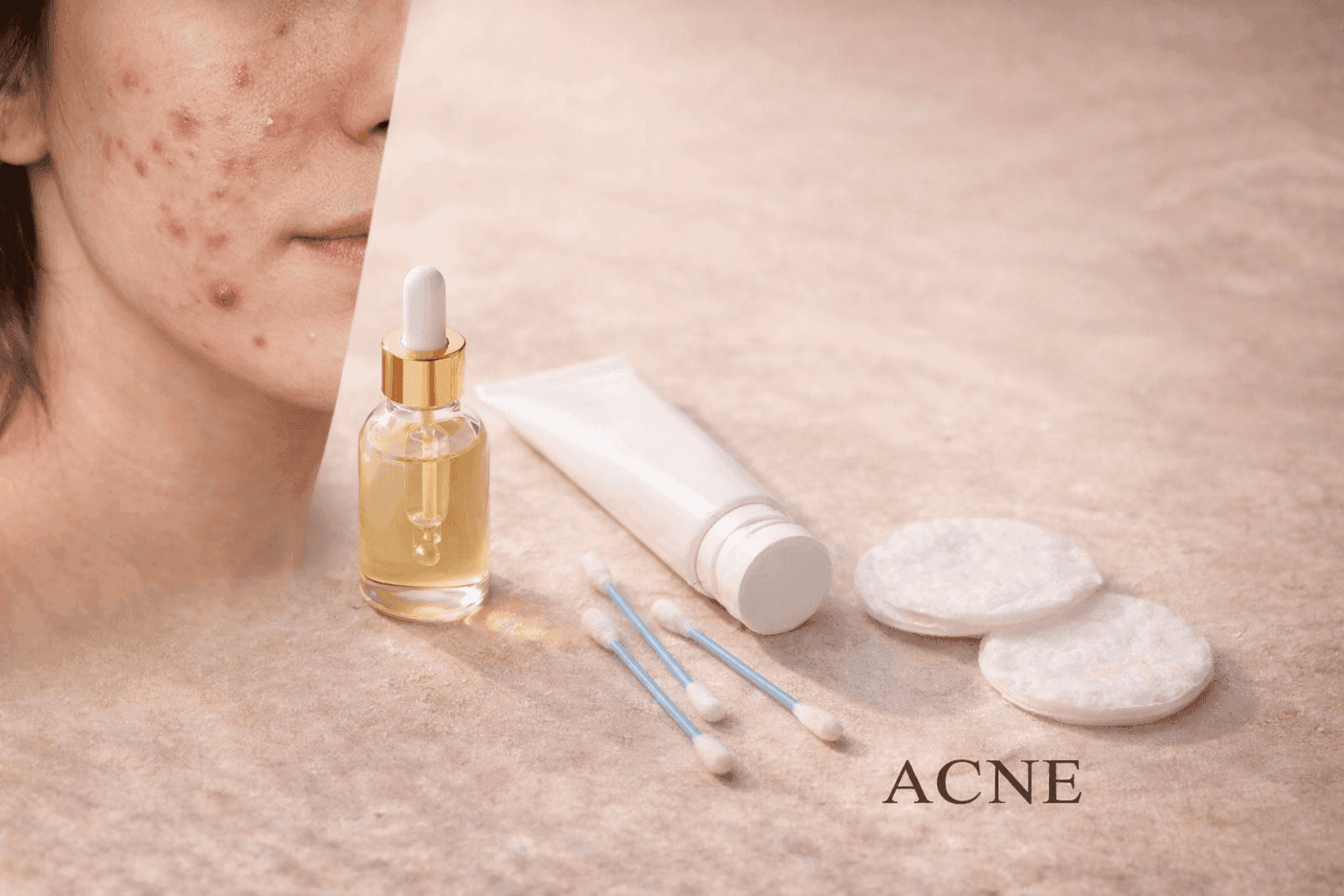
Cystic Acne forms when inflammation deep within the skin traps bacteria, oil, and dead cells inside a ruptured follicle, creating painful, swollen nodules beneath the surface. Unlike surface breakouts, the immune system responds aggressively to this deep infection, causing tissue damage and long-lasting lesions that often leave scars.
Key Takeaways:
- Cystic acne develops from deep inflammation, not just clogged pores
- Immune cells release chemicals that damage surrounding skin tissue
- Ruptured follicles leak contents into the dermis, triggering severe reactions
- Hormones, bacteria, and genetics all influence inflammation intensity
- Early intervention helps prevent permanent scarring
What Makes Cystic Acne Different From Regular Breakouts
Most people experience surface acne at some point - small whiteheads or blackheads that form when pores become clogged with oil and dead skin cells. Cystic acne operates differently. It begins deeper in the skin's structure, within the dermis layer where blood vessels, nerves, and connective tissue reside.
When a hair follicle becomes severely blocked and inflamed, the follicle wall can rupture under pressure. This rupture releases sebum, bacteria, and cellular debris into the surrounding dermal tissue. Your immune system recognizes these materials as foreign invaders because they're not supposed to exist outside the follicle. This recognition triggers a powerful inflammatory response that creates the characteristic hard, painful lumps associated with cystic acne.
The inflammation doesn't resolve quickly because the immune system continues fighting what it perceives as an ongoing threat. White blood cells flood the area, releasing enzymes and inflammatory chemicals that inadvertently damage healthy tissue while attempting to clear the infection. This process can persist for weeks or months, which explains why cystic lesions last much longer than surface Pimples.
The Inflammation Cascade: How Your Skin Reacts
Inflammation serves as your body's defense mechanism, but in cystic acne, this protective response becomes destructive. Understanding this cascade helps explain why these breakouts feel so different and cause lasting damage.
Stage One: Follicle Obstruction and Bacterial Overgrowth
The process begins when sebaceous glands produce excess sebum, often driven by hormonal signals. Dead skin cells that normally shed from the follicle lining stick together instead of releasing properly. This combination creates a plug that seals the follicle opening.
Cutibacterium acnes (formerly Propionibacterium acnes) bacteria thrive in this oxygen-free, oil-rich environment. As bacterial populations multiply, they produce waste products and proteins that irritate the follicle wall. The follicle swells with accumulated material, creating internal pressure.
Stage Two: Follicle Rupture
When pressure exceeds the follicle wall's structural capacity, it tears. This rupture rarely causes visible surface damage initially - the break occurs in deeper skin layers. Sebum, bacteria, keratin proteins, and inflammatory chemicals spill into the dermis.
Your immune system immediately detects this rupture. Pattern recognition receptors on immune cells identify bacterial components and damaged tissue markers. This detection activates multiple inflammatory pathways simultaneously.
Stage Three: Immune Response Amplification
Neutrophils arrive first, squeezing through blood vessel walls to reach the rupture site. These white blood cells attempt to engulf bacteria and debris, but they also release reactive oxygen species and proteolytic enzymes that break down collagen and elastin in surrounding tissue.
Macrophages follow, releasing cytokines - signaling proteins that amplify inflammation. These cytokines include interleukin-1, interleukin-6, and tumor necrosis factor-alpha. Each cytokine recruits additional immune cells and increases blood flow to the area, causing the visible redness and swelling characteristic of cystic lesions.
Stage Four: Tissue Damage and Nodule Formation
The inflammatory response creates a walled-off pocket containing pus, dead cells, and tissue debris. Unlike surface pustules that can drain and heal relatively quickly, these deep nodules have no drainage pathway. The body must slowly break down and reabsorb all accumulated material.
Fibroblasts deposit collagen in an attempt to repair damage, but this repair process often proceeds chaotically. Excessive collagen deposition creates hypertrophic scars, while inadequate healing leaves atrophic (depressed) scars. The longer inflammation persists, the greater the likelihood of permanent textural changes.
Why Some People Experience More Severe Inflammation
Not everyone with acne develops cystic lesions. Several factors determine inflammation intensity and whether breakouts remain superficial or extend into deeper tissue layers.
Hormonal Influence on Oil Production
Androgens - particularly testosterone and dihydrotestosterone - directly stimulate sebaceous glands. During puberty, menstrual cycles, pregnancy, or times of hormonal imbalance, androgen levels fluctuate. Higher androgen levels trigger glands to enlarge and produce more sebum.
This excess oil doesn't just clog pores - it alters sebum composition. Inflammatory sebum contains higher concentrations of certain fatty acids that irritate follicle walls even before bacteria proliferate. Stress-related cortisol spikes also influence oil production and change sebum's inflammatory potential.
Genetic Immune Response Patterns
Your genetic makeup influences how aggressively your immune system responds to follicle ruptures. Some people inherit immune profiles that mount intense inflammatory reactions to relatively minor triggers. Others have genetic variations affecting cytokine production, making their inflammatory responses more prolonged or difficult to resolve.
Research shows that if both parents experienced severe acne, offspring have a significantly higher likelihood of developing cystic acne. This inheritance pattern reflects genes controlling sebum production, follicle keratinization, immune response intensity, and healing capacity.
Skin Barrier Function and Microbiome Balance
A compromised skin barrier allows irritants, allergens, and pathogens easier access to deeper skin layers. Over-washing with harsh cleansers strips protective lipids, increasing transepidermal water loss and making follicle walls more susceptible to rupture under pressure.
Your skin microbiome - the diverse community of bacteria, fungi, and other microorganisms living on your skin - normally maintains balance through competitive inhibition. When this balance shifts, whether from antibiotic use, aggressive skincare, or environmental factors, pathogenic bacteria can dominate. An imbalanced microbiome produces more inflammatory compounds and may trigger stronger immune responses.
Common Triggers That Worsen Inflammatory Acne
While you cannot always control genetic predisposition or fundamental immune function, certain lifestyle factors and environmental exposures intensify inflammation and increase cystic acne frequency.
Dietary Patterns and Blood Sugar Fluctuations
High-glycemic foods cause rapid blood sugar spikes, triggering insulin release. Insulin increases androgen production and makes skin cells more sensitive to these hormones. This hormonal shift stimulates sebaceous glands and alters the way skin cells mature and shed within follicles.
Dairy products, particularly skim milk, contain hormones and bioactive molecules that may influence human hormone levels. Some people notice clearer skin when reducing dairy intake, though individual responses vary significantly. The mechanism likely involves insulin-like growth factor 1 (IGF-1) present in milk, which amplifies hormonal signaling in sebaceous glands.
Sleep Deprivation and Stress Hormones
Inadequate sleep elevates cortisol and disrupts normal hormone rhythms. Cortisol increases inflammation throughout the body, including skin tissue. It also impairs wound healing and extends the time inflammatory lesions persist.
Chronic stress maintains elevated cortisol levels and may increase substance P, a neuropeptide that directly stimulates sebaceous glands and mast cells in skin. Mast cells release histamine and other inflammatory mediators when activated, contributing to the inflammatory cascade.
Physical and Chemical Irritation
Friction from masks, helmets, phone contact, or repetitive touching introduces bacteria to follicle openings and creates mechanical stress on follicle walls. This friction can trigger micro-ruptures that initiate inflammation even without complete blockage.
Occlusive cosmetics, thick sunscreens, and hair products that migrate onto facial skin trap oil and dead cells inside follicles. Ingredients like coconut oil, cocoa butter, and certain silicones create comedogenic conditions in some individuals. Sweat that sits on skin for extended periods, especially when mixed with sunscreen or makeup, creates an environment where bacteria proliferate rapidly.
Medication and Supplement Effects
Certain medications influence hormone levels or directly affect follicle behavior. Corticosteroids, lithium, some anticonvulsants, and anabolic steroids can trigger or worsen cystic acne. High-dose B vitamins, particularly B12, may promote acne in susceptible individuals through mechanisms not fully understood.
The Connection Between Gut Health and Skin Inflammation
Emerging research reveals significant connections between digestive health and skin inflammation. The gut-skin axis describes bidirectional communication between intestinal microbiota and skin function.
Intestinal permeability issues - sometimes called leaky gut - allow bacterial components and partially digested food particles into the bloodstream. Your immune system responds to these materials, creating systemic inflammation that manifests in various organs, including skin.
An imbalanced gut microbiome produces fewer anti-inflammatory compounds like short-chain fatty acids while generating more inflammatory metabolites. This shift influences immune function throughout your body, potentially making skin inflammation more intense and persistent.
Digestive issues like constipation slow toxin elimination, potentially increasing the burden on skin as an alternative excretion route. While the "toxin" concept lacks precise scientific definition, waste product accumulation does correlate with inflammation markers.
Early Warning Signs and Progression Patterns
Cystic acne rarely appears without warning. Most people experience progression from milder acne forms before developing deep, inflammatory lesions.
Early signs include increasing numbers of inflamed papules - small, red, tender bumps without visible pus. These papules indicate inflammation extending beyond the follicle into surrounding tissue. When papules persist longer than typical pimples and feel increasingly painful, progression toward cystic formation becomes more likely.
You might notice that breakouts develop deeper under the skin rather than coming to a visible head. These subcutaneous nodules feel like hard lumps that don't respond to typical spot treatments. Pain often precedes visible changes, with tender areas emerging days before obvious swelling appears.
Patterns also matter. Cystic acne along the jawline and lower face often reflects hormonal influences, while lesions on the forehead may relate more to hair products or friction. Lesions appearing in clusters suggest spreading inflammation from an initial rupture site.
What Helps Prevent Deep Inflammatory Lesions
While you cannot eliminate all risk factors, certain approaches help minimize inflammation intensity and reduce cystic acne frequency.
Gentle Barrier Support
Maintaining skin barrier integrity helps follicles withstand internal pressure without rupturing. This means avoiding harsh cleansers that strip natural oils, limiting exfoliation frequency, and using barrier-repair ingredients like ceramides and fatty acids.
Over-cleansing paradoxically worsens acne by removing protective lipids and triggering reactive sebum production. Washing twice daily with a gentle cleanser usually provides adequate cleansing without compromising barrier function. After sweating or wearing heavy makeup, a single additional gentle cleanse prevents buildup without excessive stripping.
Anti-Inflammatory Nutrition
Emphasizing foods rich in omega-3 fatty acids helps balance the omega-6 to omega-3 ratio, reducing systemic inflammation. Fatty fish, walnuts, flaxseeds, and algae-based supplements provide these beneficial fats.
Colorful vegetables and fruits supply antioxidants that neutralize reactive oxygen species produced during inflammation. Zinc, found in pumpkin seeds, legumes, and shellfish, supports immune function and wound healing while exhibiting anti-inflammatory properties.
Reducing refined sugars and processed carbohydrates stabilizes blood sugar and insulin levels, minimizing hormonal fluctuations that drive sebum production.
Stress Management Techniques
Practices that lower cortisol help reduce inflammation intensity. Regular movement, even just walking, decreases stress hormones and improves circulation to skin. Adequate sleep - typically seven to nine hours for adults - allows proper hormone regulation and gives skin time for repair processes.
Mindfulness practices, deep breathing exercises, and progressive muscle relaxation activate the parasympathetic nervous system, countering stress responses. Consistent practice yields better results than occasional interventions.
Microbiome Protection
Avoiding unnecessary antibiotic use preserves both gut and skin microbiome diversity. When antibiotics are medically necessary, considering probiotic supplementation may help maintain beneficial bacterial populations.
Topical products containing prebiotics (nutrients that feed beneficial bacteria) or postbiotics (beneficial compounds produced by bacteria) support healthy skin microbiome balance without requiring live bacterial cultures.
When Professional Intervention Becomes Necessary
Cystic acne requires professional assessment because the inflammation causes progressive tissue damage. Waiting for spontaneous improvement often results in permanent scarring that becomes much harder to address after inflammation resolves.
| Situation | Why Professional Care Matters | Typical Approach |
|---|---|---|
| Painful nodules lasting more than two weeks | Prolonged inflammation increases scarring risk | Anti-inflammatory treatments, possible drainage |
| Multiple deep lesions appearing simultaneously | Suggests systemic triggers requiring identification | Hormone testing, dietary assessment, prescription options |
| Scarring developing from current breakouts | Indicates inflammation severity exceeds skin's repair capacity | Aggressive inflammation control, scar prevention strategies |
| Psychological impact affecting daily life | Mental health matters equally to physical symptoms | Comprehensive treatment addressing both aspects |
| Over-the-counter products providing no improvement | Suggests need for prescription-strength interventions | Professional-grade treatments unavailable retail |
Dermatologists can prescribe medications that reduce inflammation from multiple angles. Some treatments decrease oil production, others kill bacteria, and some directly suppress inflammatory pathways. Combining approaches often works better than single interventions because cystic acne involves multiple contributing factors.
Procedures like corticosteroid injections directly into lesions rapidly reduce inflammation and pain. This intervention also minimizes scarring risk by quickly resolving the inflammatory process before extensive tissue damage occurs.
For severe, treatment-resistant cases, systemic medications that address hormonal factors or reduce sebaceous gland activity might be appropriate. These require careful monitoring but can dramatically improve outcomes when other approaches fail.
The Scarring Process and Why Prevention Matters
Understanding how inflammation creates permanent changes emphasizes the importance of early, effective treatment.
During intense inflammation, enzymes released by immune cells break down collagen and elastin that provide skin's structural support. As inflammation finally resolves, fibroblasts attempt to rebuild this framework. However, the repair process rarely perfectly replicates original tissue architecture.
Atrophic scars - depressed areas commonly called "ice pick" or "boxcar" scars - form when insufficient collagen develops during healing. The skin surface sits lower than surrounding tissue because the underlying support structure remains inadequate.
Hypertrophic scars and keloids develop from excessive collagen deposition. These raised scars result from fibroblasts producing too much collagen in response to prolonged inflammation signals.
Post-inflammatory hyperpigmentation occurs when inflammation triggers melanocytes to produce excess pigment. This darkening can persist for months or years, especially in darker skin tones. While not technically scarring, it creates lasting visible reminders of previous breakouts.
The longer inflammation persists, the greater the tissue disruption and the higher the scarring likelihood. This relationship makes rapid inflammation control crucial - not just for comfort, but for preserving skin structure.
Understanding Internal Triggers: Clear Ritual's Perspective
Cystic acne develops from complex interactions between hormones, immune function, oil production, barrier integrity, stress responses, and genetic factors. Topical treatments and dietary changes can manage symptoms, but they often provide incomplete results because they don't identify your specific trigger combination.
Effective management requires understanding which factors most significantly drive your inflammation. Some people primarily need hormonal balance, others benefit most from barrier repair, and many require addressing multiple aspects simultaneously. At Clear Ritual, We combine the best of three worlds - Ayurveda, modern dermatology, and advanced skin science - to understand individual triggers through a structured skin assessment. This approach helps identify patterns connecting your symptoms, lifestyle factors, and physiological responses.
Recognizing your unique trigger profile allows targeted interventions that address root causes rather than only managing surface symptoms, supporting long-term skin stability and reduced inflammation intensity.
Frequently Asked Questions
Can stress alone cause cystic acne?
Stress doesn't directly cause cystic acne but significantly worsens it in susceptible individuals. Elevated cortisol increases oil production, amplifies inflammation, and impairs skin barrier function. Combined with genetic predisposition or hormonal factors, stress can trigger severe breakouts. Managing stress helps reduce inflammation intensity but rarely resolves cystic acne completely without addressing other contributing factors.
Why does cystic acne hurt more than regular pimples?
Cystic lesions develop deep within the dermis where nerve endings are abundant. The intense inflammation compresses surrounding nerves, causing pain. Additionally, pressure buildup inside nodules creates tension on pain-sensitive tissue. Surface pimples primarily affect the epidermis where fewer nerve endings exist, resulting in less discomfort.
How long does it take for cystic acne to heal?
Individual cystic lesions typically persist for several weeks to months without treatment. The inflammation must completely resolve and tissue must repair before visible improvement occurs. Professional treatment significantly shortens this timeline, often reducing healing time to one to three weeks. Factors affecting healing speed include inflammation severity, treatment effectiveness, overall health status, and genetic healing capacity.
Can cystic acne spread to other areas of my face?
Cystic acne doesn't spread contagiously, but inflammation from ruptured follicles can affect adjacent tissue. Bacterial populations may also migrate to nearby follicles through superficial skin contact or shared sebum pathways. Touching or picking lesions transfers bacteria to other areas, potentially triggering new breakouts. Each lesion develops from conditions within that specific follicle rather than spreading from existing ones.
Does popping or draining cystic acne help it heal faster?
Attempting to pop cystic lesions typically worsens inflammation and increases scarring risk. These deep nodules lack a drainage pathway to the surface, so squeezing forces infected material deeper into tissue and may rupture additional follicles. Professional drainage performed by dermatologists uses sterile technique and proper tools, sometimes combined with corticosteroid injection to reduce inflammation safely.
Why do I get cystic acne in the same spots repeatedly?
Certain follicles may have structural characteristics making them more prone to rupture, including larger sebaceous glands or narrower follicle openings. Previous inflammation can also damage follicle walls, making them weaker and susceptible to repeat ruptures. Additionally, localized bacteria populations or lymphatic drainage patterns might contribute to recurring inflammation in specific areas.
Is cystic acne related to hygiene or dirty skin?
Cystic acne is not caused by poor hygiene. It develops from internal factors including hormones, genetics, and immune responses. Over-washing actually worsens acne by damaging the skin barrier and triggering reactive oil production. Gentle cleansing twice daily removes surface debris and excess oil without compromising barrier function, but cannot prevent deep inflammatory processes.
Can diet changes alone clear cystic acne?
Dietary modifications help reduce inflammation and may decrease breakout frequency, but rarely eliminate cystic acne completely. The condition involves multiple factors beyond nutrition, including genetic immune responses and hormonal patterns that diet cannot fully control. However, identifying personal food triggers and emphasizing anti-inflammatory nutrition supports other treatment approaches and may improve outcomes significantly.
Editorial Standards
Clear Ritual has Strict sourcing guidelines to ensure our content is accurate and current. We rely on peer-reviewed studies, academic research institutions, and medical associations. We strive to use primary sources and refrain from using tertiary references. See a mistake? Learn More about our Editorial Standards.



