




Types of Acne Seen in Acne Prone Skin
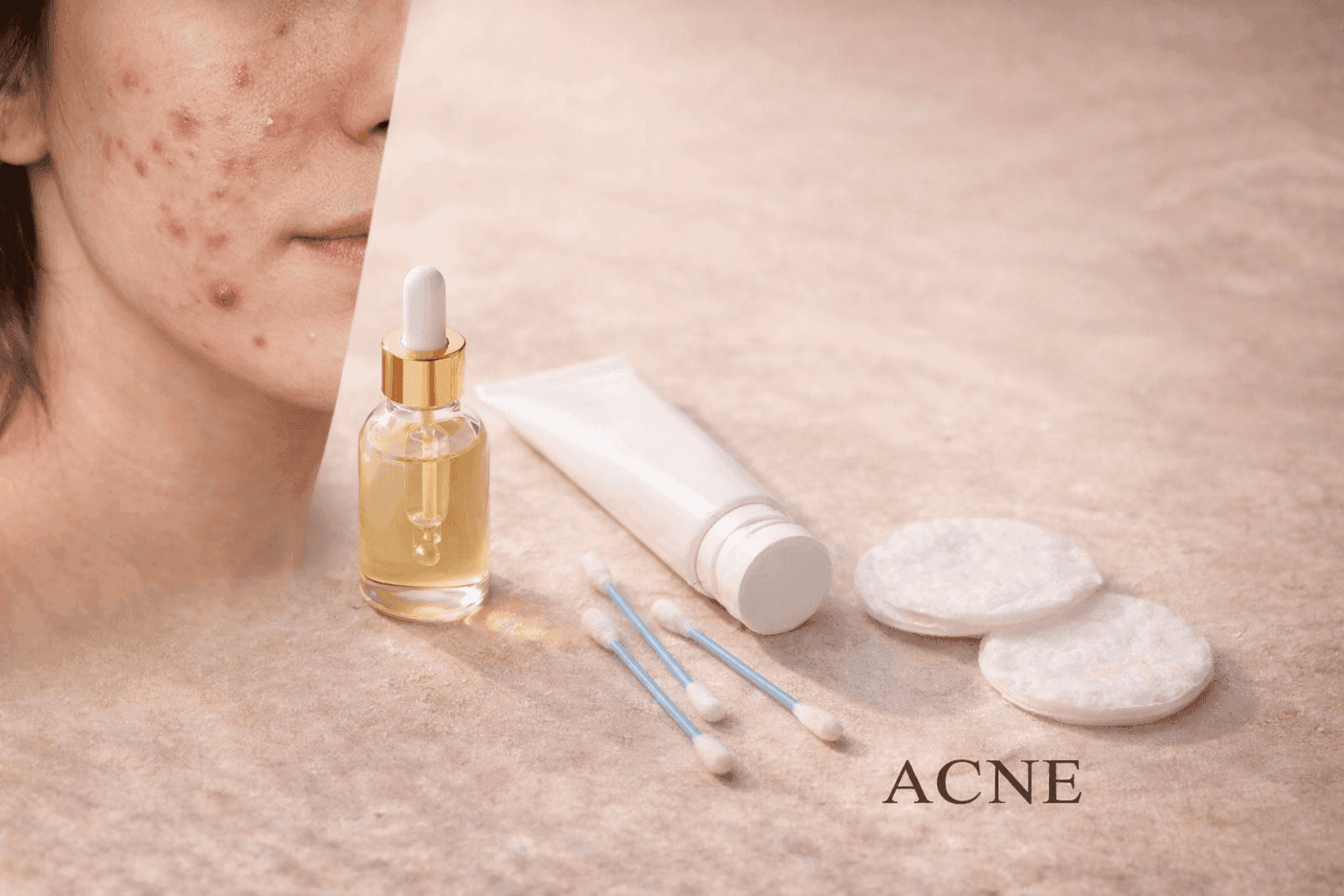
Acne prone skin can develop several distinct types of breakouts, each forming through different mechanisms within the pore. These range from non-inflammatory comedones to inflamed papules, pustules, nodules, and cysts, with severity depending on factors like sebum production, bacterial activity, inflammation levels, and how deeply the pore becomes blocked or infected.
Key Takeaways:
- Acne manifests in multiple forms, from blackheads and whiteheads to painful cystic lesions
- Non-inflammatory acne involves blocked pores without significant immune response
- Inflammatory acne develops when bacteria trigger immune activity inside the follicle
- Different acne types often coexist on the same person's skin
- Understanding the type helps determine appropriate care approaches
What Makes Skin Acne Prone
Acne prone skin typically shows three characteristic patterns: overactive sebaceous glands that produce excess oil, a tendency for dead skin cells to accumulate inside pores rather than shedding normally, and an environment where Cutibacterium acnes bacteria thrive. When sebum and dead cells combine, they create plugs that block follicle openings. This blockage creates an oxygen-poor environment where C. acnes multiplies rapidly, potentially triggering inflammatory responses.
The skin's natural exfoliation process slows when the stratum corneum becomes disrupted. Instead of cells shedding smoothly, they stick together and mix with sebum. Hormonal fluctuations increase this pattern by stimulating oil glands, which explains why breakouts often correlate with menstrual cycles, stress periods, or life stages involving hormonal shifts.
Non-Inflammatory Acne Types
Microcomedones
These represent the earliest stage of any acne lesion. Microcomedones are microscopic blockages forming deep within the follicle, invisible to the naked eye. Dead skin cells begin adhering to the follicle wall while sebum production continues. This creates a tiny plug that may either resolve on its own, remain stable, or progress into visible acne.
Most acne prone individuals have numerous microcomedones at any given time. They develop continuously as part of the skin's dysfunctional keratinization process. External factors like heavy cosmetics, high humidity, or excessive sweating can accelerate their formation by adding more material to already congested pores.
Blackheads (Open Comedones)
When a microcomedone grows and reaches the skin surface while the pore remains open, a blackhead forms. The dark appearance comes from oxidation, not dirt. Sebum contains lipids and melanin that darken when exposed to air, similar to how a cut apple browns. The pore opening stretches to accommodate the plug, creating that characteristic enlarged appearance.
Blackheads commonly cluster in areas with higher sebaceous gland density: the nose, chin, and forehead. Touching the face frequently transfers oils and bacteria from hands, worsening comedone formation. Over-washing might seem logical but actually triggers rebound oil production, as stripped skin compensates by generating more sebum.
Whiteheads (Closed Comedones)
Whiteheads develop when the follicle opening closes over the blockage, trapping sebum and dead cells beneath the skin surface. These appear as small, flesh-colored or white bumps with no visible opening. Because the material cannot oxidize, it remains light in color.
The closed environment of whiteheads creates ideal conditions for bacterial overgrowth. Without oxygen exposure, anaerobic C. acnes bacteria multiply more easily. This makes whiteheads more likely than blackheads to progress into inflammatory lesions. Physical pressure from sleeping on one side, phone contact, or mask wearing can worsen closed comedones in specific areas.
Inflammatory Acne Types
Papules
When bacteria inside a comedone multiply sufficiently, the immune system responds. White blood cells migrate to the area, releasing inflammatory chemicals. The follicle wall weakens under bacterial and enzymatic pressure, and small amounts of contents leak into surrounding tissue. This creates papules: small, raised, red bumps that feel tender when touched.
Papules lack the white or yellow center characteristic of pustules because pus has not yet accumulated at the surface. The redness indicates active inflammation and increased blood flow to the area. Squeezing papules damages tissue without providing relief, as there is no fluid-filled center to drain. This manipulation often drives inflammation deeper and increases scarring risk.
Pustules
Pustules evolve when the immune response intensifies. As white blood cells attack bacteria, they die and accumulate as pus, a mixture of dead immune cells, bacteria, and tissue fluid. This creates the characteristic white or yellow center surrounded by red, inflamed skin.
The visible pus sits just below the skin surface in a fragile pocket. Pustules feel painful because nerve endings in the inflamed tissue become hypersensitive. High sugar diets may worsen pustular acne by increasing insulin and insulin-like growth factor, both of which stimulate oil production and create more favorable conditions for bacterial growth.
Nodules
Nodules form when inflammation extends deep into the dermis. The follicle ruptures completely, spilling contents throughout surrounding tissue. The immune system mounts an aggressive response, creating a large, hard, painful lump beneath the skin surface. Unlike papules or pustules, nodules lack any surface opening.
These deep lesions persist for weeks or months because the inflammation occurs in tissue layers that heal slowly. Nodules often result from earlier manipulation of smaller lesions, where squeezing forced material downward instead of outward. Sleep deprivation and chronic stress elevate cortisol, which amplifies inflammatory responses and can worsen nodular development.
Cysts
Cystic Acne represents the most severe form. True cysts develop when the immune response creates a membrane-lined pocket filled with pus, sebum, and cellular debris deep within the skin. These large, soft, fluid-filled lumps cause significant pain and nearly always leave scars.
Cysts form through a combination of genetic predisposition, hormonal influences, and severe bacterial infection. They indicate that the skin's inflammatory mechanisms have become dysregulated. Trauma to the skin, including aggressive picking or harsh treatments, increases cyst formation by creating deeper tissue damage that the body walls off rather than heals normally.
How Acne Types Progress
| Starting Point | Progression Path | Outcome |
|---|---|---|
| Microcomedone | Remains stable | May resolve naturally |
| Microcomedone | Opens to surface | Becomes blackhead |
| Microcomedone | Closes over | Becomes whitehead |
| Closed comedone | Bacterial overgrowth | Progresses to papule |
| Papule | Increased immune response | Develops into pustule |
| Pustule | Deep rupture | Forms nodule or cyst |
Location Patterns and What They Indicate
Different acne types tend to appear in specific facial zones based on underlying triggers. The T-zone, including forehead, nose, and chin, contains the highest concentration of sebaceous glands. This area typically develops comedonal acne and smaller inflammatory lesions.
Jawline and lower cheek breakouts often correlate with hormonal fluctuations, particularly androgens that stimulate oil glands in these regions. These areas more commonly develop deeper, painful nodules and cysts. Upper cheek acne sometimes relates to friction from phones, pillowcases, or hair products that transfer oils and occlude pores.
Forehead breakouts frequently worsen with hair products containing heavy oils or silicones that migrate onto the skin. Sweat trapped under hats or headbands creates a warm, moist environment that encourages bacterial growth. Friction from repeated touching or wiping exacerbates inflammation in already compromised areas.
Factors That Influence Acne Type Development
Genetics determine baseline sebum production, pore size, and inflammatory response intensity. Some individuals produce thicker sebum that blocks pores more easily, while others have more reactive immune systems that create severe inflammation from minor bacterial presence.
Hormonal balance directly affects which types develop. Elevated androgens increase both sebum production and the stickiness of cells lining follicles, promoting comedone formation. Estrogen fluctuations influence inflammation levels, which explains why some people experience primarily inflammatory breakouts during specific cycle phases.
The skin microbiome composition matters significantly. When beneficial bacteria populations decline, C. acnes and other problematic species dominate. This imbalance often follows antibiotic use, over-sanitizing, or barrier disruption from harsh products. A compromised barrier also allows easier bacterial penetration into follicles.
Dietary patterns influence acne development through multiple pathways. High glycemic foods spike insulin, which triggers oil glands and promotes inflammation. Dairy products contain hormones and bioactive molecules that may stimulate sebaceous activity in susceptible individuals. Insufficient water intake concentrates sebum, making it more likely to cause blockages.
Why Some People Develop Mixed Acne Types
Most acne prone individuals simultaneously show several lesion types at different stages. This occurs because multiple follicles exist at various points in the acne development cycle. While some pores are just forming microcomedones, others already contain established inflammatory lesions.
Environmental and behavioral factors affect different facial areas simultaneously. Sleeping on one side creates pressure and heat that worsen inflammation, while the opposite side may develop primarily comedonal acne from transferred hair products. Mask wearing creates a humid environment around the lower face, encouraging both bacterial growth and follicle blockage.
Skin picking or extraction attempts also create mixed presentations. Manipulating a simple whitehead can rupture the follicle wall, transforming it into an inflammatory papule or deeper nodule. This explains why the same person might have some healing lesions, fresh comedones, and developing inflammatory spots simultaneously.
Recognizing Warning Signs of Severe Acne
Certain patterns indicate that acne is progressing toward more serious forms requiring professional intervention. Multiple nodules or cysts appearing simultaneously suggest aggressive inflammation that will likely cause scarring. Lesions that persist for several weeks without healing indicate the inflammatory process has become chronic.
Rapid spread of inflammatory acne across large areas within days points to a systemic trigger, possibly hormonal or related to a new medication. Pain that interferes with normal activities or sleep signals deep inflammation that is damaging tissue beyond the follicle. Any lesion that becomes increasingly swollen, warm, and tender may indicate secondary infection requiring medical attention.
Dark spots or texture changes that remain after lesions heal show post-inflammatory hyperpigmentation or early scarring. Once these develop, intervention becomes more complex. Addressing active acne before permanent changes occur protects long-term skin appearance.
When Professional Evaluation Becomes Necessary
Self-care approaches work adequately for mild, primarily comedonal acne. However, moderate to severe inflammatory acne, particularly nodules and cysts, requires professional assessment. These deep lesions damage skin structure in ways that heal with scars, and early intervention prevents permanent changes.
Acne that suddenly worsens or changes character may indicate underlying health conditions affecting hormones, metabolism, or immune function. Persistent acne that fails to improve despite consistent appropriate care for several months suggests the need for stronger interventions or investigation of internal factors.
Emotional distress from acne represents another valid reason to seek help. Skin conditions affect self-perception and social comfort significantly. Professional guidance can accelerate improvement and reduce the psychological burden of visible breakouts.
Understanding Internal Triggers: Clear Ritual's Perspective
While topical approaches help manage surface symptoms, acne prone skin usually involves multiple interconnected factors including hormonal patterns, inflammatory tendencies, barrier function, stress responses, nutritional influences, and microbial balance. Identifying specific internal triggers rather than applying generic solutions often explains why standard approaches work temporarily but do not resolve breakouts completely. At Clear Ritual, we combine the best of three worlds - Ayurveda, modern dermatology, and advanced skin science - to understand individual triggers through a structured skin assessment. This personalized approach recognizes that two people with similar-looking pustular acne may have entirely different underlying causes. Understanding your specific trigger patterns provides a foundation for addressing root causes rather than continually managing symptoms, supporting more stable long-term skin clarity.
Frequently Asked Questions
What is the most common type of acne?
Comedonal acne, including blackheads and whiteheads, represents the most common form. These develop when pores become blocked with sebum and dead skin cells but have not yet triggered significant inflammatory responses. Most people with acne prone skin experience comedones as the primary or starting lesion type.
Can you have multiple types of acne at once?
Yes, most people with acne prone skin show several lesion types simultaneously. Different pores exist at various stages of development, from fresh microcomedones to healing inflammatory lesions. External factors like product use, touching habits, and environmental conditions also affect different facial areas differently, creating mixed presentations.
Why does my acne keep changing types?
Acne type shifts as lesions progress through development stages or when triggers change. A whitehead can become a papule if bacteria multiply, while a papule might develop into a pustule as immune cells accumulate. New factors like stress, dietary changes, or different products also influence which types develop most actively.
Are cysts the same as nodules?
While both are deep, painful lesions, cysts contain a fluid-filled, membrane-lined sac, whereas nodules consist of solid inflammatory tissue. True cysts feel softer and more mobile. Both indicate severe inflammation that requires professional management to minimize scarring and resolve safely.
Does squeezing acne change its type?
Yes, physical manipulation often transforms non-inflammatory comedones into inflammatory lesions. Squeezing forces material deeper into tissue, rupturing follicle walls and triggering immune responses. This can escalate a simple whitehead into a painful papule, pustule, or even nodule, while also increasing scarring risk significantly.
Why do I only get acne in certain areas?
Different facial zones have varying sebaceous gland density, exposure to friction, and contact with hair products or hands. Hormonal acne typically appears along the jawline and lower cheeks, while comedonal acne clusters in the T-zone where oil glands concentrate. Behavioral patterns like phone use or sleeping positions also create location-specific breakouts.
Can inflammatory acne turn back into comedones?
Once a lesion becomes inflammatory, it follows a healing process rather than reverting to a comedone. However, as one inflammatory lesion heals, other nearby pores may simultaneously develop new comedones. This creates the appearance of acne changing types, though these are actually different lesions at various stages.
How long does each acne type take to heal?
Blackheads and whiteheads may persist for weeks or resolve within days depending on treatment. Papules typically heal within one to two weeks, while pustules take one to three weeks. Nodules and cysts persist for weeks to months and often leave marks or scars. Healing time increases significantly when lesions are manipulated or picked.
Editorial Standards
Clear Ritual has Strict sourcing guidelines to ensure our content is accurate and current. We rely on peer-reviewed studies, academic research institutions, and medical associations. We strive to use primary sources and refrain from using tertiary references. See a mistake? Learn More about our Editorial Standards.



