




Understanding Female Acne: Causes, Triggers, and Treatment Options
Introduction – Female Acne, What Are The Reasons To Derive Interest?
You know that almost half of all women in their 20s and a quarter of women in their 40s are still fighting acne, right? An issue of skin primarily dismissed as a “teenage problem,” it is, in fact, developing as an adult life long problem for women.
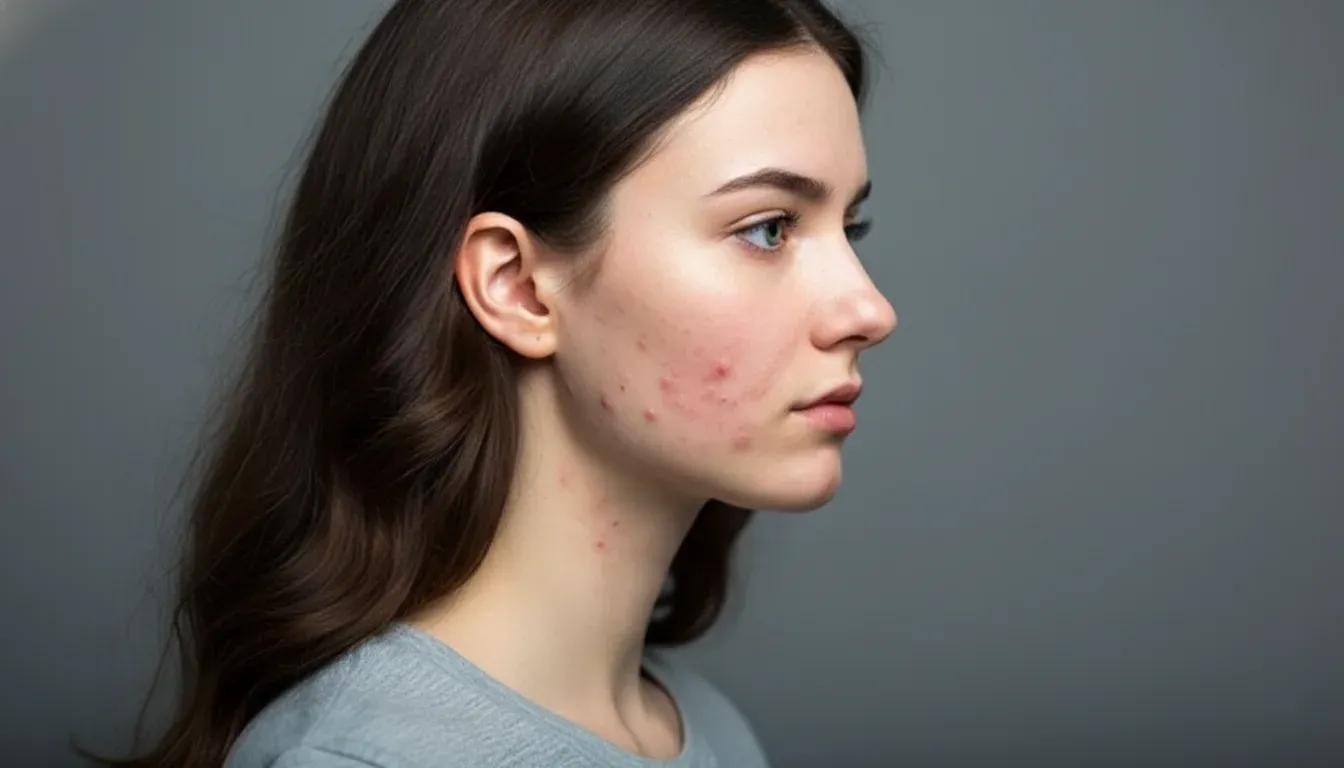
Acne in women, or female acne, occurs when breakouts extend beyond after the teenage years, or if breakouts first appear after age 25. Unlike the teenager-type acne that attacks the forehead and cheeks, female acne is most commonly located in the jawline, chin and lower face—where hormonal fluctuations have the most impact.
But acne poses more than cosmetic challenges. Not just for women, but for many, it impacts self-esteem, confidence, workplace presence, and can also affect social relationships. Due to stress, unhealthy lifestyles, PCOS, and the ever growing list of environmental triggers, adult female acne is reportedly becoming more common.
If you’re asking yourself, “Why the F am I still breaking out as an adult— and how do I get clear skin?”, this guide will demystify the roots and inroads into both understanding, and treating, through science and lifestyle imitation.
What Exactly is Female Acne?
While acne is a condition of the skin, it is basically the result of clogged pores. As dead skin cells, oils (sebum), and bacteria accumulate above or in the pores, it can cause inflammation, resulting in zits, blackheads, or cysts.
What Differentiates Teenage Acne And Adult Acne In Females?
-
Adolescent acne is common and most girls have acne in their T-zone ('T' is the forehead, nose, and cheeks).
-
The hallmarks of female acne usually manifest as hard-to-clear breakouts on the lower part of the face, including the chin and jaw line.
Hormones play a central role:
-
Oil glands are stimulated by androgens (male hormones that are present in both men and women).
-
Skin gets worse when levels of this hormone rise from puberty onward, and some people with acne are simply more sensitive to the levels they have.
-
When hormone levels rise due to:
-
Menstruation
-
Pregnancy
-
Perimenopause
-
PCOS → Acne tends to get worse.
Common Causes of Female Acne
Women do not get wimpy little Pimples from a simple one cause of acne. Hormonal, genetic, and environmental/lifestyle factors are implicated in most cases.
1. Hormonal Imbalances
-
Menstrual Cycle Changes – A good number of women will see an occasional breakout right before the start of their menstrual cycle which is caused by a spike in progesterone leading to an increase in oil production.
-
PCOS (Polycystic Ovary Syndrome) – Many women with PCOS have high androgens which can cause oil glands to overproduce oil and cause deep, Cystic Acne.
-
Pregnancy & Perimenopause – Hormonal changes in these phases can make acne a lot worse or occasionally, a lot better (until after your baby is born.)
Table: Stages of Hormonal and Acne Effects
| Hormonal Stage | Common Acne Impact |
|---|---|
| Puberty | Widespread blackheads and [whiteheads](https://clearritual.com/blog/types-of-acne/all-about-whiteheads) |
| Periods | Chin and jawline acne premenstrual outbreaks |
| Pregnancy | Hormone-related: Acne or clear skin |
| Perimenopause | Increased dryness with occasional breakouts |
2. Genetics & Skin Type
-
Family history is a big factor—if your parents had to deal with acne, you might be predisposed.
-
The ladies of oily and combo-pored skin are most susceptible to clogged pores and breakouts.
3. Stress & Cortisol
-
Stress prompts the body to release cortisol, a hormone that increases sebum (oil) production indirectly.
-
Long-term stress disrupts sleep, immune response and inflammation, furthering with the likelihood of acne.
4. Diet & Lifestyle
However, we also need to consider that food choices directly affect the skin:
-
High-glycaemic foods (like white bread, fried snacks and sugary desserts) spike insulin, which leads to more acne.
-
Dairy has been associated with hormonal acne in a few women.
-
Gut health and skin health are closely linked — an imbalance of gut bacteria can drive inflammation.
Foods that trigger acne: sugary drinks, processed snacks, fried food, excessive dairy. Foods that make acne worse: spicy foods, high-glycemic-index foods, saturated fats. Acne-friendly diet tips: leafy greens, omega-3 fatty acids, probiotics, antioxidant-rich fruits.
5. Skincare & Makeup Habits
-
Comedogenic products (heavy creams, certain oils) can block the pores.
-
Over-cleansing can take away natural oils and result in the skin producing more oil, only to produce too much oil, later.
-
Forgetting sunscreen can lead to irritation and make post-acne marks worse.
Some Common Triggers Of Female Acne
And while the underlying cause might be hormonal, these day-to-day habits and outside factors can cause acne to flare out of nowhere.
-
Skin repair cycles are compromised with poor sleep.
-
The more you touch your face, the more you’re spreading bacteria around.
-
Pollution and sweat clog pores.
-
Contraceptives – Some pills make your acne worse, and others (with anti-androgenic activities) actually make it better.
-
Mask-wearing (“maskne”) – A new pandemic-related trend, triggered by trapped sweat and friction.
Quick Comparison: What Are Internal and External Triggers?
| Internal Triggers | External Triggers |
|---|---|
| Hormonal changes | Pollution |
| Stress | Sweat after workouts |
| Poor gut health | Face masks / friction |
| Diet | Harsh skincare products |
The Different Kinds of Female Acne (and How to Identify Them)
-
Whiteheads & Blackheads (Comedonal Acne):
-
Caused by clogged pores.
-
Whiteheads = closed pores.
-
Blackheads = open pores exposed to air.
-
Papules & Pustules (Inflammatory Acne):
-
Papules = red, inflamed bumps.
-
Pustules = pus-filled pimples.
-
Nodules & Cysts (Severe Acne):
-
Deep, tender bumps under the skin.
-
Commonly associated with hormonal imbalances such as PCOS.
-
Can cause scarring if untreated.
If your acne is painful, persistent or scarring, you should see a dermatologist.
Treatment Options for Female Acne
One size does not fit all—treatment should be determined by severity, skin type, and the etiology of dyspigmentation.
1. Over-the-Counter (OTC) Skincare
-
Salicylic acid – Decongests the skin and leaves pores free from impurities and blackheads.
-
Benzoyl peroxide – Targets the bacteria that causes acne.
-
Topical retinoids – Promote cell turnover and help keep your pores from getting clogged.
-
Mild cleanser & non-comedogenic moisturizer are all you need for daily essentials.
2. Prescription Medications
-
Antibiotics (oral / topicals) – Reduce both bacteria and inflammation.
-
Spironolactone – Anti-androgen drug that decreases sebum production.
-
Isotretinoin (oral retinoid) – Prescribed for severe cystic acne and requires very close medical supervision.
-
Hormonal treatments – Some types of oral contraceptives can help treat hormonal acne.
Chart: Meds vs Their MOA (T.O.A.)
| Treatment | Mode of Action | Best For |
|---|---|---|
| Antibiotics | Reduce bacteria & inflammation | Moderate acne |
| Spironolactone | Blocks androgen effects | Hormonal acne |
| Isotretinoin | Shrinks oil glands | Severe cystic acne |
| Birth control | Balances hormones and reduces androgen activity | PCOS-related acne |
3. Professional Treatments
-
Chemical peels – Help with texture and clearing out clogged pores.
-
Laser treatment – Focuses on scars and inflammation.
-
Extraction facials – Remove stubborn blackheads.
-
Microneedling – Boosts collagen production to improve acne scars.
4. Lifestyle & Home Remedies
-
Stress-management – Yoga, meditation, journaling.
-
Diet – Reduce dairy and sugar, promote good gut health with probiotics.
-
Ayurvedic treatments – Neem, Turmeric and Tea tree oil have anti-bacterial and anti-inflammatory properties.
Female Acne Myths vs Facts
Table: Myths vs Facts
| Myth | Fact |
|---|---|
| Acne only happens in teens | Adult women commonly develop acne |
| Makeup causes acne | It's only comedogenic if it clogs the pores; non-comedogenic makeup is safe |
| Acne is caused by dirty skin | It’s actually due to hormones, oil, and bacteria — not poor hygiene |
| Popping pimples clears skin | It can cause scarring and infections instead of healing acne |
The Do’s and Don’ts of Managing Female Acne
✅ Do:
-
Use gentle, sulphate-free cleansers.
-
Wear broad-spectrum SPF daily.
-
Stay hydrated and sleep well.
-
If your breakouts don’t get better, see a dermatologist.
❌ Don’t:
-
Pop pimples (causes scarring).
-
Over-exfoliate or use harsh scrubs.
-
Miss meals or crash diet (off-kilter hormones).
-
Self-medicate with steroid creams.
Preventing Long-Term Clear Skin
-
Establish a basic skincare plan (cleanse, treat, moisturise, protect).
-
If acne is long standing or associated with irregular periods, get checked for hormonal imbalances.
-
Get a good night’s sleep, monitor your diet and relax your stress for better skin.
-
Always patch-test new skin care products before using them in their entirety.
When to See a Dermatologist
Seek medical advice if:
-
There is painful cystic or rapidly spreading acne.
-
No over-the-counter products have worked in 2–3 months.
-
Dark spots or scars are marks left behind by acne.
-
You are concerned about PCOS or other hormone-related problems.
Intervening early can save the patient from long-term scarring and better address root causes.
FAQs on Female Acne
Can stress alone cause acne? Acne isn’t caused by stress, but it makes everything worse by promoting the production of extra oil.
Is PCOS always associated with acne? Not always. Not all women with PCOS have acne, but it is a typical symptom.
Can hormonal acne be cured or is it just manageable? Most of the time it can be controlled with a combination of medication, lifestyle changes and skin care.
What dietary changes have the greatest impact on female acne? Cutting back on dairy, sugary foods and snacks, and processed junk, while consuming more omega-3s and probiotics.
Does being pregnant clear or worsen acne? Both are possible. Some women notice their skin is glowing, while others find themselves breaking out.
Do natural remedies work? Mild acne can be treated with neem, turmeric, aloe vera and tea tree oil, but if your acne is severe, it should be treated medically.
Conclusion – Give Your Skin to Women Who Want to Take it Over
Female acne is widely prevalent, complex, and deeply frustrating — but thankfully, not insurmountable. Knowing the underlying reasons behind it is the first step in the journey to clearer skin. Acne can be managed and its long-term impact reduced with the appropriate treatment combined with healthy diet, lifestyle, and proper skincare.
Remember: you’re not alone. Millions of women around the world take similar arduous journeys — and there are solutions at every level.
Find the perfect regimen for your acne with our free skin test—because your skin deserves a regimen that’s as unique as you.
Editorial Standards
Clear Ritual has Strict sourcing guidelines to ensure our content is accurate and current. We rely on peer-reviewed studies, academic research institutions, and medical associations. We strive to use primary sources and refrain from using tertiary references. See a mistake? Learn More about our Editorial Standards.



