




Understanding Male Acne: Causes, Triggers, and Treatment Options
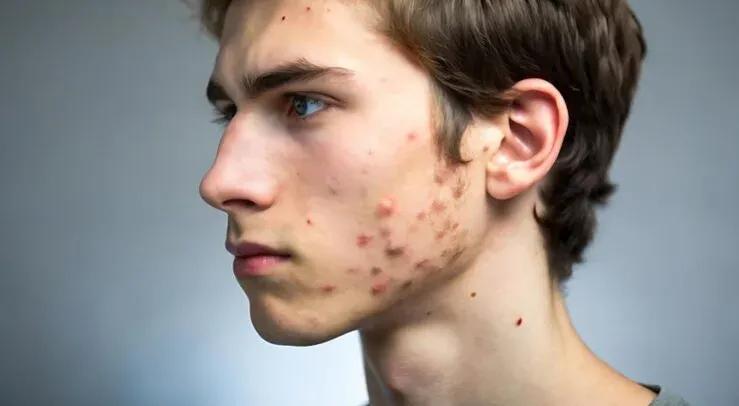
Introduction – Why Men Struggle With Acne (and Don’t Talk About It Enough)
You might think acne is a teenage problem — something that fades after high school. But the truth? Adult acne affects a significant number of men well into their 30s, 40s, and beyond.
For many, the issue goes beyond a few Pimples. It can affect confidence, professional appearance, and self-esteem. Men’s acne, or male acne, tends to be more persistent and inflammatory due to higher levels of androgens (male hormones) that stimulate oil glands.
Whether you’re dealing with breakouts on your face, chest, back, or shoulders — this guide breaks down the why behind male acne and the how to treat it effectively.
If you’re asking, “Why do I still get breakouts as an adult — and how do I fix it?” this article will help you decode the science behind male acne and practical ways to achieve clear, healthy skin.
What Exactly Is Male Acne?
Acne occurs when pores become clogged with excess oil (sebum), dead skin cells, and bacteria. The result? Pimples, blackheads, whiteheads, or deep cysts.
In men, the condition is often more severe because testosterone stimulates larger and more active oil glands, especially on the face, shoulders, chest, and back.
How Male Acne Differs From Teenage or Female Acne
| Type | Typical Areas | Key Cause | Severity |
|---|---|---|---|
| Teenage Acne | Forehead, nose, cheeks | Puberty-driven oil increase | Mild–Moderate |
| [female acne](https://clearritual.com/blog/acne/all-about-female-acne) | Chin, jawline | Hormonal fluctuations, PCOS | Moderate |
| Male Acne | Face, back, shoulders, chest | Testosterone + lifestyle | Moderate–Severe |
Male acne is typically oilier, more inflammatory, and often leaves scars due to delayed treatment or harsh shaving practices.
Common Causes of Male Acne
1. Hormonal Imbalances (Androgens at Work)
Testosterone — while vital for muscle growth and energy — also increases sebum (oil) production. Too much sebum can clog pores and feed acne-causing bacteria (Cutibacterium acnes).
Key hormonal triggers include:
-
Puberty surge (first major acne outbreak phase)
-
Excess testosterone or anabolic steroid use
-
Stress-related cortisol spikes (increasing oil output)
-
Sleep deprivation (impacts hormone regulation)
Quick Hormonal Snapshot:
| Hormonal Trigger | Effect on Skin |
|---|---|
| Testosterone | Increases sebum production, clogging pores |
| Cortisol (Stress Hormone) | Triggers inflammation and worsens breakouts |
| Poor Sleep | Disrupts hormonal balance and skin recovery |
| Steroid Use | Leads to cystic “steroid acne” due to hormonal imbalance |
2. Genetics & Skin Type
If your father or brother had acne, chances are you’re predisposed. Men with oily or thick skin are more prone to clogged pores and inflammatory breakouts.
3. Sweat, Friction, and Shaving Habits
Men’s grooming routines and workouts can worsen acne:
-
Sweat + friction = folliculitis (inflammation of hair follicles).
-
Shaving can cause razor bumps or spread bacteria if not done hygienically.
-
Helmet straps, gym wear, and backpacks trap heat and bacteria against the skin.
4. Diet & Lifestyle
Your skin often mirrors what’s going on inside your body.
Foods that may trigger acne:
-
High-glycaemic foods (white rice, pastries, sweets)
-
Whey protein shakes (linked to acne on chest/back)
-
Excess dairy or sugary drinks
-
Junk food high in saturated fats
Acne-friendly diet tips:
-
Eat zinc-rich foods (nuts, lentils, pumpkin seeds)
-
Include omega-3s (salmon, chia seeds, flaxseed oil)
-
Stay hydrated and limit sugar
5. Stress, Sleep, and Habits
Chronic stress elevates cortisol, which disrupts oil balance and immunity. Lack of sleep increases inflammation and slows skin repair. Smoking and alcohol also aggravate breakouts by reducing oxygen flow and altering hormones.
Common Triggers of Male Acne
| Internal Triggers | External Triggers |
|---|---|
| Testosterone surge | Sweat and friction (helmet, gym gear) |
| Stress & lack of sleep | Tight clothing / synthetic fabrics |
| High dairy or sugar intake | Poor shaving hygiene |
| Genetics | Pollution and dirt buildup |
Types of Male Acne (and How to Identify Them)
-
Comedonal Acne – Blackheads & whiteheads caused by clogged pores.
-
Inflammatory Acne – Red, tender pimples (papules & pustules).
-
Cystic Acne – Deep, painful lumps under the skin (often on the back and jawline).
-
Folliculitis – Acne-like bumps caused by infected hair follicles (common on beard and scalp).
👉 If you experience painful, deep, or recurrent acne — consult a dermatologist early to avoid scarring.
Treatment Options for Male Acne
1. Over-the-Counter (OTC) Skincare
-
Salicylic acid (2%) – Unclogs pores and reduces oil.
-
Benzoyl peroxide (2.5–5%) – Kills acne-causing bacteria.
-
Niacinamide (5%) – Soothes inflammation and controls shine.
-
Retinol or adapalene (0.1%) – Improves cell turnover and prevents clogged pores.
Skincare Routine for Men with Acne:
-
Cleanse (AM & PM) – Gel-based salicylic acid cleanser
-
Treat – Benzoyl peroxide or niacinamide serum
-
Moisturize – Non-comedogenic, oil-free formula
-
Protect – Daily sunscreen (SPF 30+)
2. Prescription Medications
-
Oral antibiotics – Reduce inflammation (doxycycline, minocycline).
-
Isotretinoin (Accutane) – For severe cystic acne; reduces oil gland size.
-
Topical retinoids – Regulate skin cell turnover.
-
Anti-inflammatory creams – For folliculitis or shaving irritation.
Table: Treatment vs. Action
| Treatment | What It Does | Best For |
|---|---|---|
| Salicylic acid | Exfoliates and unclogs pores | Mild acne |
| Benzoyl peroxide | Kills acne-causing bacteria | Inflammatory acne |
| Antibiotics | Reduce bacteria and inflammation | Moderate acne |
| Isotretinoin | Shrinks oil glands and prevents severe breakouts | Severe cystic acne |
3. Professional Treatments
-
Chemical peels – Reduce oil, fade marks.
-
Laser therapy – Targets scars and inflammation.
-
Blue light therapy – Kills acne-causing bacteria.
-
Microneedling – Boosts collagen for scar repair.
4. Lifestyle & Home Remedies
-
Wash face twice daily (especially after workouts).
-
Change pillowcases and gym towels often.
-
Manage stress through meditation or exercise.
-
Avoid over-cleansing or scrubbing aggressively.
-
Incorporate Ayurvedic ingredients like neem, turmeric, or tea tree oil for mild acne.
Male Acne Myths vs Facts
| Myth | Fact |
|---|---|
| Only teenagers get acne | Adult men frequently experience hormonal and stress-related acne. |
| Shaving clears acne | Using the wrong razor or technique can make it worse. |
| Acne means dirty skin | It’s caused by oil, hormones, and bacteria — not poor hygiene. |
| Sun exposure cures acne | It can temporarily dry pimples but worsens oil production later. |
Do’s and Don’ts for Managing Male Acne
✅ Do:
-
Use gentle, pH-balanced cleansers.
-
Wash your face after workouts or sweating.
-
Keep your beard clean and exfoliated.
-
Eat a balanced, low-sugar diet.
❌ Don’t:
-
Pop or squeeze pimples (causes scarring).
-
Use harsh scrubs or alcohol-based toners.
-
Sleep without cleansing your face.
-
Ignore persistent back or chest acne — it can leave scars.
When to See a Dermatologist
Seek professional help if:
-
Acne persists for more than 3 months despite OTC care.
-
You have painful nodules or cysts.
-
Acne is spreading rapidly to your back or chest.
-
You’re using steroids or supplements and notice new acne.
-
Scars or dark marks are forming.
FAQs on Male Acne
Does shaving worsen acne? It can if you use dull blades or don’t clean them properly. Use single-blade razors and shave in the direction of hair growth.
Is “bacne” (back acne) common in men? Yes, due to sweat, tight clothing, and higher oil production. Use a benzoyl peroxide body wash.
Can protein shakes cause acne? Whey protein has been linked to hormonal flare-ups; switch to plant-based alternatives.
Do natural remedies work? Mild acne can respond to neem, aloe vera, or tea tree oil, but severe acne needs medical treatment.
Can stress alone cause acne? Not directly, but it increases cortisol and oil production, worsening existing acne.
Conclusion – Clear Skin Isn’t Just About Looks, It’s About Confidence
Male acne is more common — and more complex — than most men realize. It’s driven by hormones, genetics, and daily habits. The good news? With the right skincare, lifestyle, and (if needed) medical treatment, you can control breakouts and prevent scars.
Remember: acne doesn’t define you — but treating it can redefine your confidence. 👉 Take our free skin test to discover a regimen tailored to your skin type and acne concerns.
Editorial Standards
Clear Ritual has Strict sourcing guidelines to ensure our content is accurate and current. We rely on peer-reviewed studies, academic research institutions, and medical associations. We strive to use primary sources and refrain from using tertiary references. See a mistake? Learn More about our Editorial Standards.



