




Hormonal Acne Explained: What Really Causes It and How to Manage It
Introduction to Hormonal Acne
What Is Hormonal Acne?
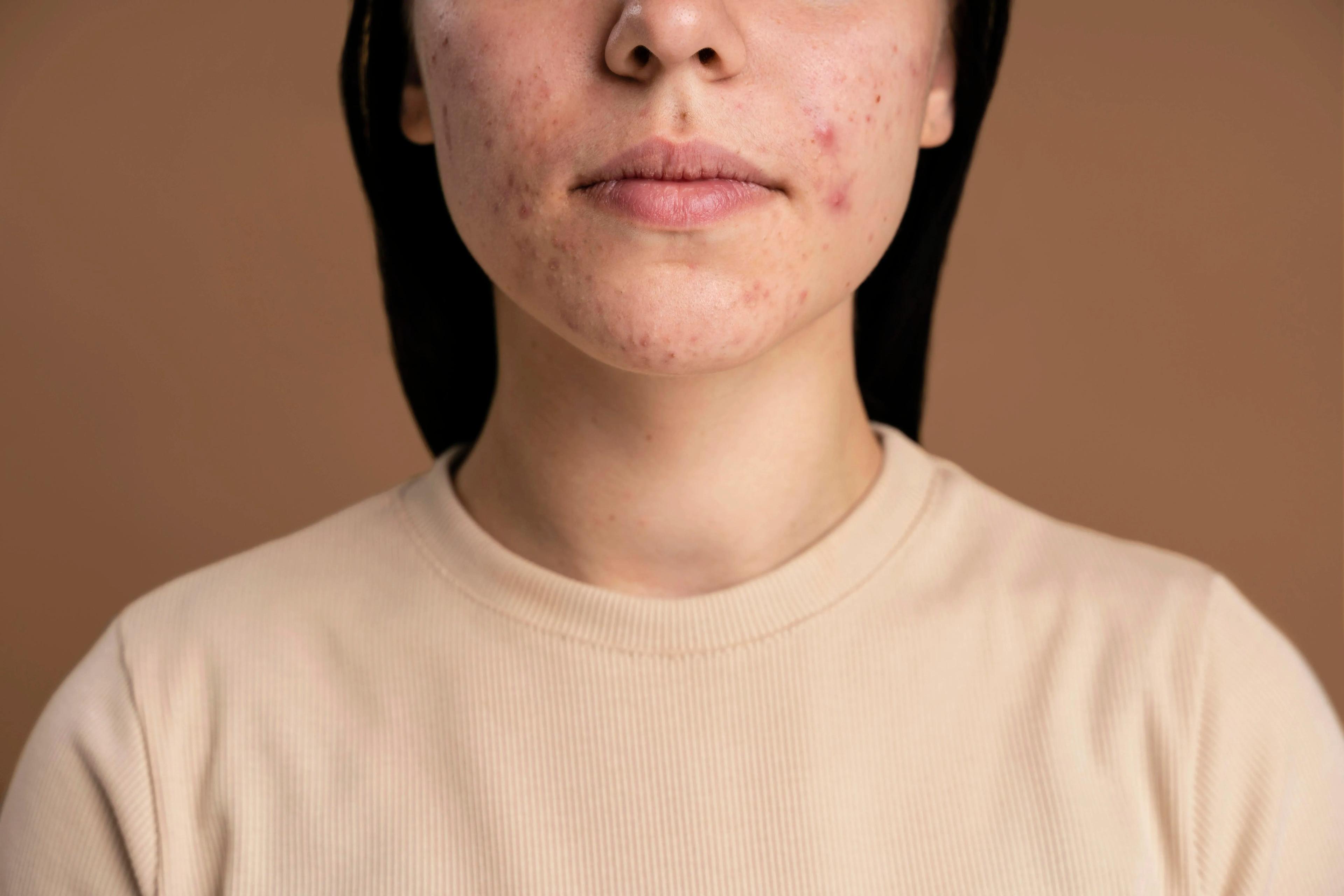
Hormonal acne is a type of acne directly linked to fluctuations in the body’s hormone levels. Unlike acne caused by external factors such as dirt or makeup, hormonal acne stems from internal changes that influence the skin’s oil production and inflammation. It often appears as deep, cystic Pimples rather than small surface-level blackheads or whiteheads. These breakouts tend to recur in cycles, often tied to menstrual periods, stress levels, or other hormonal shifts.
Why It Differs from Regular Acne
Regular acne may result from clogged pores, poor skincare habits, or external irritants. Hormonal acne, however, has a unique pattern and persistence that makes it harder to manage. While standard acne treatments like cleansers and spot treatments may help somewhat, they rarely address the root cause—hormone fluctuations. That’s why hormonal acne often requires a different approach, sometimes involving medical treatments or lifestyle changes that regulate the internal imbalance, not just topical fixes.
The Root Causes of Hormonal Acne
Hormonal Fluctuations During Puberty
Puberty is often the first time hormonal acne appears. Rising androgen levels increase sebum (oil) production, which clogs pores and creates the perfect environment for acne-causing bacteria.
Menstrual Cycle, PMS, and Hormonal Breakouts
For many women, acne flares right before or during their period. This happens due to the drop in estrogen and progesterone, leaving androgens unbalanced and triggering excess oil.
Pregnancy, Postpartum, and Hormonal Shifts
Hormonal acne can appear or worsen during pregnancy and after childbirth because of dramatic changes in hormone levels. These fluctuations can either improve skin for some women or cause stubborn breakouts for others.
PCOS (Polycystic Ovary Syndrome) and Acne
PCOS is a condition marked by hormonal imbalance, often with higher androgen levels. This imbalance directly contributes to persistent, Cystic Acne that’s difficult to treat without medical support.
Stress and Cortisol Imbalance
Chronic stress elevates cortisol, which indirectly stimulates oil glands and worsens acne. Stress also slows down skin healing, making breakouts more severe and longer-lasting.
The Role of Androgens in Sebum Production
Androgens (male hormones present in both men and women) play a major role in stimulating sebaceous glands. When androgen levels spike, oil production increases, leading to clogged pores and acne.
Symptoms and Patterns of Hormonal Acne
Where It Usually Appears on the Face and Body
Hormonal acne tends to show up on the lower half of the face—chin, jawline, and around the mouth. It can also appear on the neck, back, and chest.
How to Tell if Your Acne Is Hormonal
Signs include cyclical breakouts (linked to menstrual cycles), deep cystic pimples instead of surface-level blackheads, and acne that doesn’t fully respond to topical over-the-counter products.
Medical Treatments for Hormonal Acne
Birth Control Pills and Hormone Regulation
Certain birth control pills regulate hormones and reduce androgen-driven oil production, making them an effective treatment for women.
Spironolactone and Other Anti-Androgen Medications
Spironolactone is widely prescribed to block androgen effects, particularly in women with persistent jawline acne.
Topical Treatments: Retinoids, Benzoyl Peroxide, and More
While hormonal acne is driven internally, topical treatments like retinoids, salicylic acid, and benzoyl peroxide can still help unclog pores and reduce inflammation.
Natural and Lifestyle Remedies
Diet Changes: Foods to Eat and Avoid
High-glycemic foods, dairy, and processed sugar can worsen hormonal acne. A diet rich in vegetables, lean protein, omega-3 fatty acids, and whole grains helps regulate insulin and hormones.
Stress Management and Mind-Body Practices
Yoga, meditation, journaling, and quality sleep can significantly reduce cortisol levels, improving skin health.
Skincare Routines for Hormonal Acne
A gentle cleanser, non-comedogenic moisturizer, and acne-friendly treatments (like niacinamide or tea tree oil) can improve skin resilience.
Supplements That May Help (Zinc, Omega-3, Probiotics)
Some supplements support hormone balance and skin health, particularly zinc, probiotics, vitamin D, and omega-3 fatty acids.
When to See a Dermatologist or Endocrinologist
Warning Signs Your Acne Needs Medical Help
If your acne is severe, painful, leaving scars, or affecting your confidence, it’s time to seek professional help. A dermatologist or endocrinologist can prescribe customized treatments.
Myths and Misconceptions About Hormonal Acne
Does Chocolate Really Cause Acne?
Chocolate itself doesn’t directly cause acne, but diets high in sugar and dairy can worsen hormonal imbalances.
Can Washing Your Face More Often Prevent Breakouts?
Over-washing strips the skin of natural oils, leading to irritation and even more breakouts. Balance is key.
FAQs About Hormonal Acne
1. Can hormonal acne be cured completely? Not always, but it can be managed effectively with the right combination of medical and lifestyle treatments.
2. Is hormonal acne only in women? No, men can also experience hormonal acne due to androgen fluctuations.
3. How long does it take to see improvement with treatment? It varies, but most people notice improvements within 3–6 months of consistent treatment.
4. Does diet really impact hormonal acne? Yes, high-sugar and high-dairy diets often worsen acne. A balanced diet supports hormonal stability.
5. Are natural remedies enough to treat hormonal acne? For mild cases, yes. But moderate to severe acne often requires medical intervention.
6. Can stress alone cause hormonal acne? Stress won’t directly cause it, but high cortisol levels make it significantly worse.
**Conclusion:
Hormonal acne can feel like an uphill battle, but with the right approach—balancing hormones, adopting a smart skincare routine, and addressing lifestyle factors—it’s possible to regain control of your skin. Whether through medical treatments like spironolactone and birth control pills or natural remedies like diet and stress management, there are effective solutions for everyone.
Editorial Standards
Clear Ritual has Strict sourcing guidelines to ensure our content is accurate and current. We rely on peer-reviewed studies, academic research institutions, and medical associations. We strive to use primary sources and refrain from using tertiary references. See a mistake? Learn More about our Editorial Standards.



