




Nodules Acne: Understanding Causes, Symptoms, Treatments & Prevention
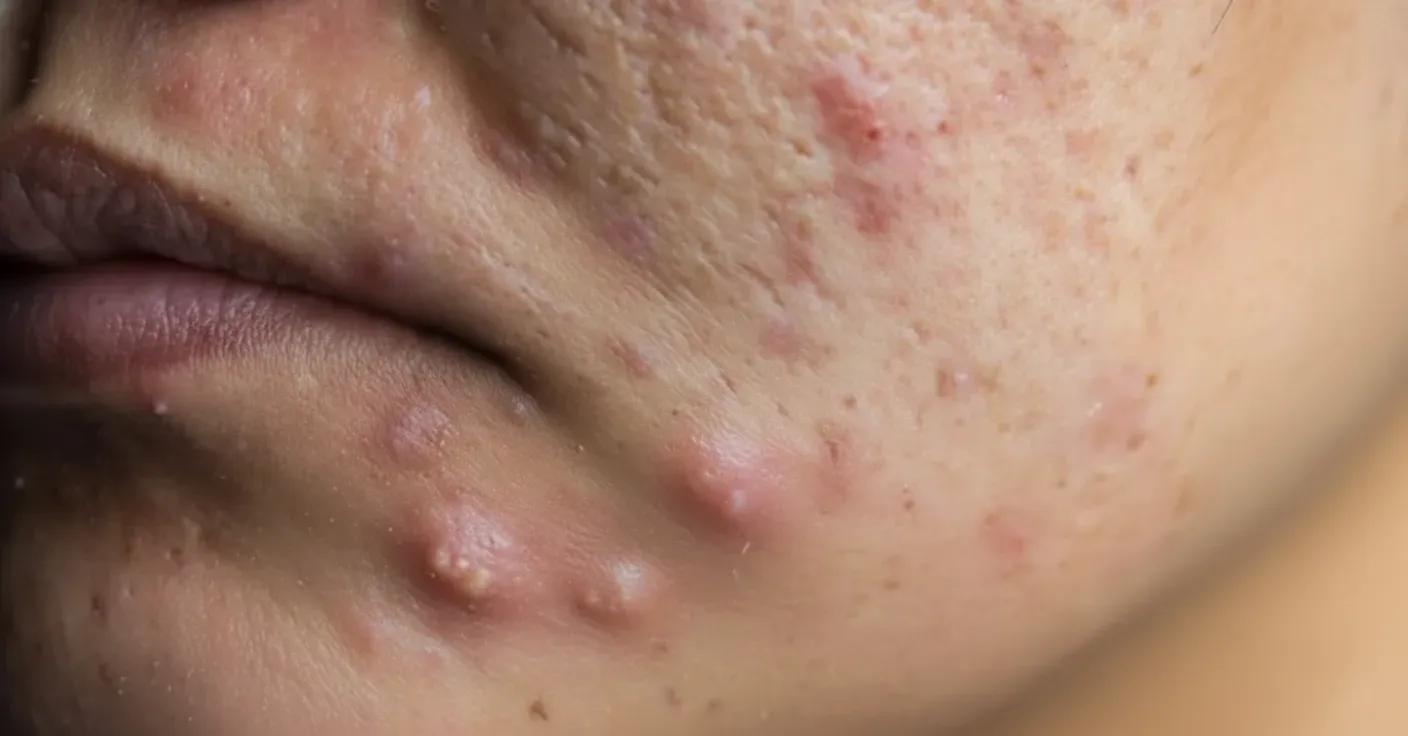
Are you facing acne issues? Don’t worry, you are not alone in this battle. Acne is a common problem faced by many teenagers and adults, irrespective of gender. This skin condition can take various forms, and among these, one of the severe types is nodules. They are not like regular Pimples that appear on the surface. Nodules Acne develop as deep and painful bumps under the skin.
This blog discusses nodules in detail.
What are Nodules Acne?
Nodular acne is characterized by big, painful, firm, and inflamed lumps under the skin's surface. Being deep inside the skin is the reason why it becomes undetected for weeks. Also, they do not have visible heads or pus, like pustules and papules. Nodules are painful and hard to the touch and may stay like that for weeks or months if left untreated.
Nodular acne differs significantly from other milder acne types like whiteheads, blackheads, papules and pustules in the following ways:
-
They form deep within the skin, unlike surface-level acne.
-
These lesions are often highly inflamed and hence painful to touch, whereas milder acne types may only cause slight discomfort or none at all.
-
Since nodules damage deeper skin layers, they have a higher chance of leaving permanent scars compared to other acne types.
-
Over-the-counter treatments may work for mild acne, but nodular acne typically requires prescription medications.
Typical Locations for Nodules
Nodules acne commonly develop in areas with highly active oil glands. They are most often seen on the face, particularly along the cheeks, jawline and chin. They can also appear on the back, chest and shoulders due to excess oil production, sweating and bacterial activity in these areas.
What Causes Nodules?
Nodules can occur for multiple reasons.
1. Clogged Pores
Nodular acne primarily occurs when hair follicles become blocked by an accumulation of sebum, dead skin cells and bacteria deep within the pores, leading to hardened, painful lumps under the skin. The bacteria Cutibacterium acnes proliferate in the clogged pores, leading to an intense inflammatory response.
Excessive production of keratin can also lead to clogged pores.
2. Hormonal Changes
Fluctuations in hormones, especially heightened androgen levels, during puberty, pregnancy and conditions like PCOS (Polycystic Ovary Syndrome) can stimulate sebaceous glands to secrete more oil, leading to clogged pores.
Stress can increase cortisol (the stress hormone) levels, which stimulate excess sebum production. This results in clogged pores and leads to the development of nodular acne.
3. Certain Medications
Certain medications, including corticosteroids (steroids), lithium, and anticonvulsants, can trigger acne or acne-like breakouts, a condition referred to as drug-induced acne.
4. Friction
Nodular acne can also occur due to mechanical irritation. Using abrasive scrubs can exacerbate inflammation and slow healing.
5. Comedogenic Skincare Products
Skincare products that contain certain oils, silicones, lanolin, irritating substances, high concentrations of alcohol or harsh sulfates can clog pores, leading to an acne breakout.
6. Diet
Research suggests that high milk intake and diets with a high glycemic load are linked to increased acne during adolescence. This may be due to the presence of insulin-like growth factor (IGF) and natural hormones found in milk.
Symptoms & Complications of Nodules
Nodules usually show up as red swellings that cause severe pain and sensitivity in the areas where they appear. They are not contagious. Nodules do not disappear on their own, and thus proper medical care is required to get rid of them. Without prompt nodules acne treatment, these deep lesions have the potential to cause permanent scarring. The post-inflammatory hyperpigmentation can result in dark spots even after the lesion has healed.
Who is Prone to Nodular Acne?
Nodular acne is more common than we think.
-
These are most common in teenagers, but adults also develop them.
-
Males experience them more than females due to their high androgen levels.
-
A person is more likely to develop acne if their immediate family members have it. The condition can be genetically transferred.
When to See a Dermatologist?
You should consult a dermatologist for nodular acne if you notice signs of infection, such as pus, fever, or increasing redness around the sores. Nodular acne and the scars it leaves can also cause psychological distress, including low self-esteem and depression. Since improvement takes time and expert care, early consultation is important.
Dermatologists usually diagnose nodular acne through a clinical skin examination to rule out other conditions, such as cysts or infections, that may look similar. In rare cases, imaging studies or a skin biopsy may be required to confirm the diagnosis and guide the most effective treatment plan.
Questions to Ask Your Dermatologist About Nodules
When consulting a dermatologist for nodular acne treatment, consider asking the following questions:
-
What treatment works best for my skin type and acne severity?
-
What side effects could I expect from medications like isotretinoin?
-
How can I minimize scarring?
-
Are there lifestyle changes that might help?
Treatment Options for Nodules
Nodules acne hardly react to over-the-counter medications since the inflammation is deep in the skin. The possibility of permanent scarring makes it necessary to consult a dermatologist early and get treated for maximum effectiveness.
Medical treatments for nodular acne include the following:
1. Prescription Medications
Some medications that help manage nodular acne are as follows:
-
Oral Isotretinoin (Accutane): This is the gold standard treatment for severe nodular acne. It decreases oil secretion, opens pores and reduces inflammation.
-
Oral Antibiotics (Tetracyclines, Doxycycline): The antibiotics decrease the bacterial population and fight skin inflammation.
-
Oral Corticosteroids: Administered for short periods to manage severe discomfort and puffiness brought about by nodular acne.
-
Hormonal Treatments: Birth control pills or spironolactone may work for women whose acne is caused by hormonal changes.
2. Dermatological Procedures
Your dermatologist may prescribe injecting intralesional corticosteroids. It reduces inflammation and pain quickly in nodular acne.
Chemical peels can help improve the texture of the skin once the inflammation has faded. Laser therapy is used to treat acne scars and hyperpigmentation caused by severe nodular acne.
Why You Should Never Pop or Squeeze Nodules?
Nodular lesions should never be popped or squeezed, as doing so can cause deep tissue damage and severe scarring. Additionally, breaking the skin increases the risk of secondary infection, which can worsen inflammation and delay healing.
Managing Nodules: Skincare and Lifestyle Tips
Managing nodules acne can be done effectively if we follow simple skincare and lifestyle steps.
-
Gentle skin-care products are great for preventing irritating nodules.
-
Avoid harsh scrubbing.
-
Physical exfoliants should be avoided.
-
A balanced diet goes a long way in promoting skin health and minimising flare-ups.
-
Manage stress with relaxation techniques, regular exercise or yoga, adequate sleep and balanced nutrition to prevent stress-induced acne.
Prevention of Nodular Acne and Scarring
Prevention is easier than a cure. Keeping pores clear lowers the risk of acne nodules. For this, follow the tips below:
-
Use a gentle, non-comedogenic cleanser twice daily to remove excess oil, dirt and sweat.
-
Use chemical exfoliants (like salicylic acid) instead of harsh scrubs to remove dead skin cells and prevent clogged pores.
-
Choose skincare and makeup products labeled “non-comedogenic” to avoid pore blockage.
-
Avoid frequently touching your face because your hands transfer oil and bacteria, which can worsen pore clogging.
-
Drink plenty of water to keep skin hydrated.
-
Seek treatment for small pimples promptly with topical solutions to prevent progression to nodules.
If nodules occur, to prevent them from leaving scars, you should avoid the following.
-
Squeezing, picking, and forceful exfoliation. This will only prolong the healing process and can result in scarring.
-
Scrubbing the face hard. This will exacerbate inflammation and slow down the healing process.
FAQs
1. How much time do nodules usually last?
Nodules acne usually last from weeks to months if they are not treated immediately.
2. Can a nodule develop into a cyst?
A nodule can sometimes develop into a cyst if inflammation persists and the follicle becomes further clogged or infected. Cysts are deeper, pus-filled lesions that are more painful and have a higher risk of scarring.
3. Do nodules run in families?
Sometimes, the cause of acne nodules is genetic. There is a greater possibility of you developing them, especially if a close family member has earlier faced them.
4. How do Cystic Acne and nodules differ from one another?
Cystic acne is filled with pus and inflammatory lesions. Nodular ones are deep and solid lumps with no pus.
Final Thoughts
Nodules acne is severe to resolve if you do not give it your time and attention immediately. You should not delay the treatment to prevent it from getting worse or leaving scars. Always consult a dermatologist to restore the health of your impacted skin. Also, along with medications, a simple and effective home care routine can help prevent further acne breakouts.
If you are looking for effective acne treatment, get in touch with Clear Ritual today. Take your free skin test, get expert insight into the causes of your acne, and receive dermatologist-recommended skincare solutions. We treat the root cause with Ayurveda, dermatology, and advanced scientific formulations, delivering clear and lasting results.
References:
- https://www.healthline.com/health/beauty-skin-care/nodular-acne
- https://my.clevelandclinic.org/health/diseases/22765-inflammatory-acne
- https://health.clevelandclinic.org/pcos-acne
- https://www.webmd.com/skin-problems-and-treatments/acne/features/medications
- https://pmc.ncbi.nlm.nih.gov/articles/PMC2958495/
- https://www.webmd.com/skin-problems-and-treatments/what-is-post-inflammatory-hyperpigmentation
- https://pmc.ncbi.nlm.nih.gov/articles/PMC7913060/
- https://medlineplus.gov/lab-tests/skin-biopsy/
- https://www.mayoclinic.org/drugs-supplements/isotretinoin-oral-route/description/drg-20068178
- https://pmc.ncbi.nlm.nih.gov/articles/PMC5440451/
- https://pmc.ncbi.nlm.nih.gov/articles/PMC7819588/
- https://www.healthline.com/health/beauty-skin-care/laser-treatment-for-acne-scars
Editorial Standards
Clear Ritual has Strict sourcing guidelines to ensure our content is accurate and current. We rely on peer-reviewed studies, academic research institutions, and medical associations. We strive to use primary sources and refrain from using tertiary references. See a mistake? Learn More about our Editorial Standards.



