




Pustules Acne: Causes, Symptoms, Treatment & Prevention
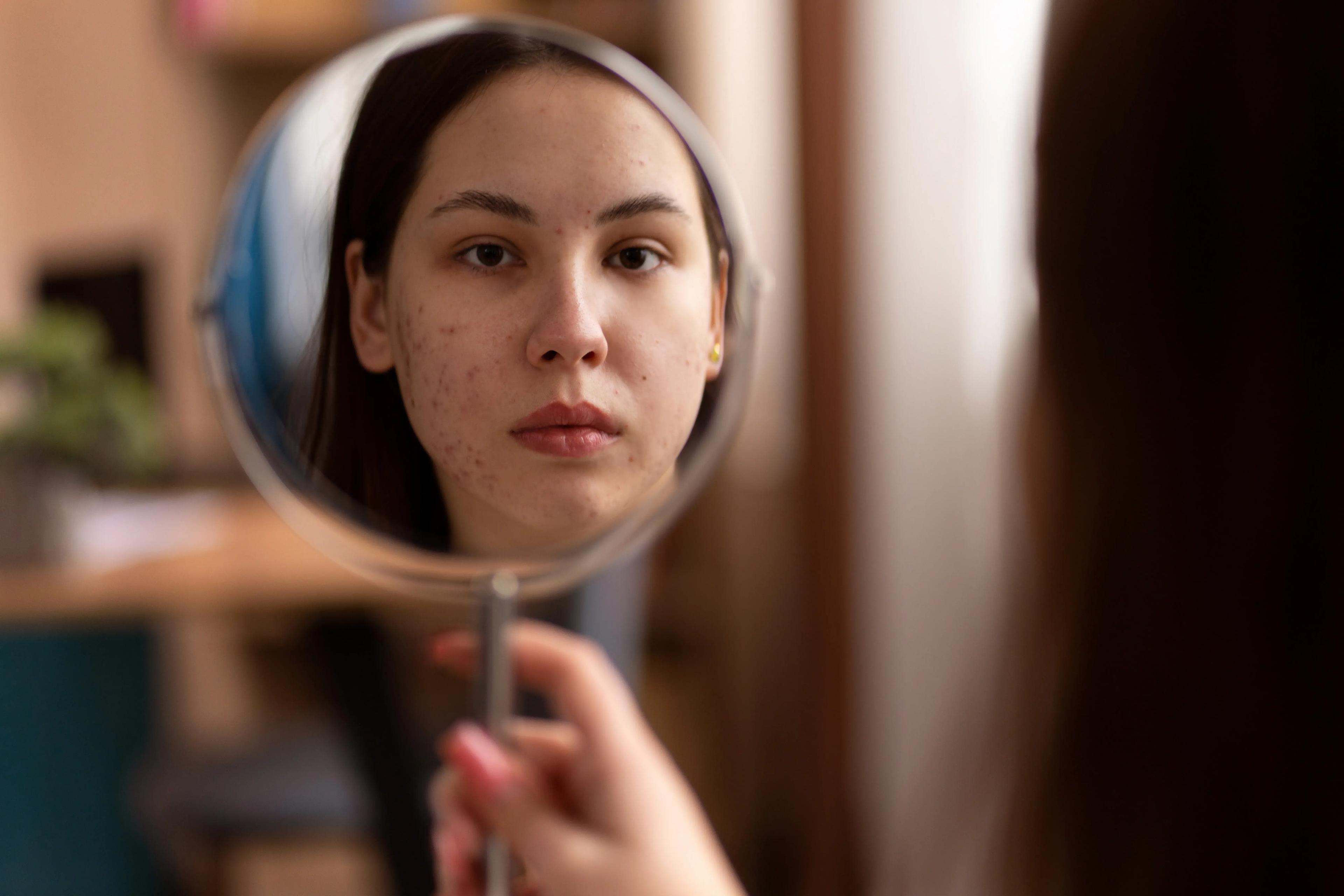
Acne is both frustrating and an overwhelming skin condition. But when it progresses to pustules, it turns more challenging. These pustule acnes are different from the whiteheads and blackheads. Pustules are more inflamed, often appearing like painful bumps. Pus-filled center give them their bumpy appearance. They indicate a very deep infection, and their appearance is alarming. However, they can be easily managed.
Before you dive into the treatment options available, it is important to understand what pustule acne is. It forms the very base of devising an effective treatment using targeted solutions.
What is Pustule Acne?
Pustules are nothing but advanced acne lesions, where small bumps filled with pus come on the skin. These can be just a couple of spots to cover larger areas of the face. Some pustules are easy to deal with, but others can be a bit trickier. What really sets them apart is the bump they create.
Pustules form when bacteria get trapped in the hair follicles, causing pus to build up. As the pus increases, the bump becomes more noticeable, giving it that bumpy, raised look. The pus inside is usually white or yellow, and within a few days, the bump can get inflamed, making it even redder and puffier.
The white or yellow center of a pustule is a sign of a build-up of dead white blood cells, bacteria, and debris within the inflamed pore.
Pustules and Other Acne
Pustules on the face and other acne types are quite common. However, pustules differ from others in a couple of ways:
-
Pustules vs. Papules: Papules and pustules may look similar, but there are fine differences between them. Pustules are small and red bumps filled with white or yellow pus. Papules are also red bumps without any pus.
-
Pustules vs. Acneheads: Pustules are red, while whiteheads are white in color. Pustules form visible inflammation, which is not the case with the whiteheads. While pustules are tender, whiteheads are painless.
-
Pustules vs. Nodules: Unlike the inflamed bumps of pustules, cysts form large and deep bumps without pus. These cysts are larger and deeper and often painful.
Here is a quick comparison table:
| Type | What it looks like | Contents | Pain/tenderness | Inflammation | Typical care |
|---|---|---|---|---|---|
| Blackhead (open comedone) | Small dark plug at pore surface | Keratin/sebum oxidized, not pus | Usually none | No (noninflammatory) | Gentle cleansing, salicylic acid/retinoids |
| Whitehead (closed comedone) | Small white/flesh-colored bump, closed pore | Trapped sebum/keratin, no pus initially | Minimal | No (noninflammatory) unless inflamed | Avoid picking to prevent inflammation |
| Papule | Red, raised bump without a visible center | Inflammatory cells, no visible pus | Tender | Yes (inflammatory) | Benzoyl peroxide, topical retinoids; avoid picking |
| Pustule | Red bump with white/yellow pus-filled center | Pus (neutrophils), bacteria, debris | Often tender | Yes (inflammatory) | Benzoyl peroxide, topical antibiotics/retinoids; do not pop |
| Nodule | Large, firm, deep, painful lump without a head | Deep inflammation; no surface pus | Painful | Yes (inflammatory) | Prescription therapies (oral antibiotics, isotretinoin); dermatology care |
| Cyst | Large, fluctuant, tender lesion with a deep pus pocket | Deep pus; may have multiple heads | Very painful | Yes (severe inflammatory) | Dermatology care; possible drainage, isotretinoin |
What Causes Pustules?
A lot of internal and external factors contribute to a chained reaction. This reaction develops pustule Pimples on your skin.
Internal Causes
Internally, your pustule may have several triggers:
-
Hormonal Changes: You notice that you have differentiating hormonal levels, especially androgens. These differentiating levels are common during menstruation, puberty, and PCOS. When you notice this happening, you should take it as an alarming sign that your sebum levels are now more than enough to clog your skin pores.
-
Bacterial Infection: The primary culprit of your pustules is the bacterium Cutibacterium acnes (C. acnes). The moment you have a clogged pore, the C. acnes multiples rapidly, causing inflammation and pus formation.
-
Excess Sebum & Dead Skin Cells: Just as you drink water to quench your thirst, your skin produces sebum to keep itself hydrated. However, when it combines with your dead skin cells, this oil forms a sticky plug within your hair follicle. This sticky plug traps bacterial cells, leading to inflammation. Pustules are most commonly linked to acne, but hormonal imbalances, certain foods, and environmental allergens may also trigger or worsen them in some people.
External Triggers
There are several external factors contributing to your pustules on the skin:
-
Comedogenic Products: You should never rely too much on makeup or skincare products. Some of them contain pore-clogging ingredients and may cause breakouts.
-
Poor Hygiene: Poor hygiene is not just about washing your face daily. You should also cleanse it. Make it a habit to thoroughly clean and cleanse your face before going to bed. It builds up dirt, oil, and bacteria on your skin.
-
Stress, Diet, & Sleep: A higher stress level increases your cortisol, which can boost oil production. Diets containing high refined sugars or dairy products can also work as triggers for some people. A lack of sleep or sleep inadequacy can severely impact your hormonal levels, contributing to such breakouts.
-
Friction: A constant pressure or rubbing experience, such as wearing things like helmets, face masks, or tight clothing, can irritate your skin. It leads to what you today know as "acne mechanica".
Who do Pustules Affect?
Mostly, pustule acne is seen in the teenage years. However, you can also see them across people of all age groups and skin types.
- Young adults with rising hormone levels
- People with hormonal imbalances or chronic stress
- Individuals with PCOS (Polycystic Ovarian Syndrome)
- People taking certain medications (with acne as a side effect)
- Those with oily or acne-prone skin types
How Does Pustule Acne Affect the Body?
Pustules acne impacts the overall physical and emotional well-being of an individual.
They are most common on your face and around your back, chest, and shoulders. These are areas of high concentration of sebaceous glands. When they are severe or left untreated, they can produce post-inflammatory hyperpigmentation or PIH. Your PIHs are darker spots lingering here and there, even when your blemishes are entirely cured. In extreme cases, you may see them as deep and persistent pustules that can lead to permanent scarring.
Pustules challenge your self-confidence and emotional well-being. You may deal with anxiety and stress, following which, you may withdraw from your social circle.
Symptoms of Pustules Acne
Below are some key symptoms you should always watch out for in pustule acne:
-
A raised, red base with a distinct yellow or white center.
-
Tender to the touch due to inflammation.
-
They may appear as a single blemish or in clusters, especially in acne-prone areas.
-
If picked or scratched, the pustule may rupture and form a crusty scab.
Are Pustules Acne Contagious?
Pustules acne are not contagious. You cannot contract them by coming into close contact with someone who has pustules. The bacteria causing pustules are your skin’s normal microbiome.
It is also important for you to understand that popping your pustules on your face is not an option. If you do so, you can easily burst your trapped bacteria and spread them across your skin surface. This bacterial spread may worsen your skin condition.
How Are Pustules Diagnosed?
For many, identifying a pustule is quite simple. However, a professional diagnosis offers a much more effective treatment plan.
-
Self-Diagnosis
You can easily self-diagnose your skin for the presence of pustules. These structures are defined by their key features, such as a red and inflamed bump filled with pus at the center.
-
Medical Diagnosis
If you are dealing with persistent or severe acne, your dermatologist can provide a more thorough medical diagnosis. They will help you assess the severity of your acne. To proceed with this diagnosis, they will first assess the type of your skin and investigate further to detect its underlying causes.
Hormonal levels or bacterial growth are among the leading causes of your pustules. Your dermatologist will then recommend a targeted pustule treatment plan.
Treatment for Pustules
An effective pustule treatment can range from over-the-counter (OTC) products to prescription-strength medicines. Sometimes, you may be called in for in-office procedures as well.
Over-the-Counter Products
-
Benzoyl Peroxide: It is one of the powerful ingredients to kill the bacteria responsible for acne.
-
Salicylic Acid: It is a beta-hydroxy acid or BHA to exfoliate your skin and unclog your blocked pores. It is quite effective to prevent your new pustules from developing further.
-
Topical Retinoids: Products such as adapalene gel (found in Differin) help regulate the turnover of skin cells. These topical retinoids are excellent for preventing your pores from becoming clogged in the first place.
-
Other over-the-counter options such as sulfur may also help dry out pustules and reduce excess oil.
Prescription Treatments
For stubborn or severe cases, your dermatologist may prescribe:
-
Topical or Oral Antibiotics: These topical or oral antibiotics are effective in reducing the overall population of C. acnes bacteria.
-
Hormonal Therapy: There are several medications available in the market, like birth control pills or spironolactone. These medications regulate your hormones and help reduce hormonal acne.
-
Isotretinoin: It is a potent, oral retinoid reserved for the most severe, Cystic Acne.
Dermatologist Procedures
If none of the above is working for you, your dermatologist will call you to undergo some procedures at their clinic:
-
Chemical Peels: A chemical peel contains a concentrated acid. It helps to professionally exfoliate your skin so that you can avoid inflammation and blemishes.
-
Light Therapy: Blue-light treatments can effectively kill C. acnes bacteria.
-
Drainage or Extractions: A professional drainage of your pustule helps in the prevention of scarring. However, you cannot do it at home. It has to be done under strict professional expertise only.
Do Pustules Go Away on Their Own?
Some mild pustules on the skin resolve by themselves within a couple of days. However, you need to have a solid skincare routine for this purpose.
However, moderate to severe pustules are unlikely to resolve on their own. If they persist for weeks, you will need proper topical or medical treatment to eliminate them.
Even with treatment, pustules may take around 6 to 8 weeks to show visible improvement, so consistency is important.
Home Remedies for Pustules
Home remedies are definitely not a substitute for medical treatment. However, few of them can help soothe your pustules to manage them better. It is recommended to do a patch test first:
- Warm Compress: A warm compress helps open your pores, allowing them to drain completely.
How to use: Soak a cloth in warm water, drain out excess, and place it on the affected area for 5–10 minutes. Repeat 2–3 times daily.
- Aloe Vera Gel: It is rich in anti-inflammatory properties to soothe irritated skin.
How to use: Apply a thin layer of pure aloe vera gel directly to the pustules. Leave it on overnight or rinse after 20–30 minutes.
- Tea Tree Oil: It is beneficial due to its natural antibacterial properties. Many dermatologists rely on it as a spot treatment option. However, you should be highly cautious when using it on dry or sensitive skin.
How to use: Mix a drop of tea tree oil with 8–9 drops of a carrier oil (like coconut or jojoba). Dab gently onto the pustule with a cotton swab once daily.
- Honey + Turmeric Paste: Both honey and turmeric work well together. While one has antibacterial properties, the other has anti-inflammatory properties. This helps them fight infection within pustules and reduces their swelling and redness.
How to use: Mix one teaspoon of honey with ½ teaspoon of turmeric to form a paste. Apply to affected areas, leave for 15–20 minutes, then rinse with lukewarm water.
Safety Tip: Always do a small patch test before applying any remedy to your face, especially if you have sensitive skin.
How to Prevent Pustules?
Religiously follow routine skincare tips to protect your skin from pustules.
Daily Skincare Tips
-
Always prefer using a gentle cleanser to deeply cleanse your skin. You can use it twice a day.
-
Several oil-free moisturizers and sunscreens are available on the market. Choose those that help maintain your skin's hydration levels.
-
Avoid using pore-clogging cosmetics.
Lifestyle Changes
-
Eat a balanced diet
-
Manage your stress levels
-
Avoid touching or picking your face
When to See a Dermatologist?
Plan your visit to your dermatologist's clinic as soon as you notice:
-
Persistent pustules acne are developing on your face.
-
Your over-the-counter treatments are not as effective on your pustules as they should be.
FAQs
How long do pustules last?
Mild pustules will last for three to seven days. The more severe ones can last longer if you leave them untreated.
Can pustules scar?
Yes, your pustules can turn into scars, especially if you pop them. Sometimes, if the infection is quite deep, you may also see them as scars. You should start your treatment as soon as possible to minimize the risk of scarring.
Are pustules a sign of infection?
Your pustules can trap bacteria to form pus. However, there is no need to worry as they are neither dangerous nor contagious.
Can I use makeup on pustules?
You can use makeup on pustules. However, you need to be thorough about the quality and grade of the material it is made from. Use makeup products that are both non-comedogenic and breathable. Also, be careful to remove it before going to bed.
What’s the best spot treatment for a pustule?
The best spot treatment recommended for pustules is to treat them either with salicylic acid or benzoyl peroxide.
Can diet affect pustule formation?
For some people, yes. Dairy, high sugar, or processed foods may act as triggers.
Final Thoughts
Managing pustules acne isn’t always easy, but it becomes simpler once you understand why they appear in the first place. This knowledge lays the foundation for an effective treatment plan.
One important thing to remember: avoid popping pustules. Instead, consult your dermatologist regularly to start with the right topical treatments. Professional guidance is always more effective than trying to treat them on your own.
At Clear Ritual, we’re here to help you take the uncertainty out of skincare. Our dermatologist-approved solutions are carefully chosen to address your unique skin concerns and support healthier, clearer skin. Start your journey to healthy skin by taking our skin test today.
References:
https://my.clevelandclinic.org/health/diseases/22905-acne-papules
https://www.healthline.com/health/papules-acne
https://my.clevelandclinic.org/health/diseases/22039-whiteheads
https://www.healthline.com/health/beauty-skin-care/nodular-acne
https://www.webmd.com/skin-problems-and-treatments/cysts-lumps-bumps
https://pmc.ncbi.nlm.nih.gov/articles/PMC7053678/
https://www.ncbi.nlm.nih.gov/books/NBK559150/
https://opendermatologyjournal.com/VOLUME/18/ELOCATOR/e18743722279314/PDF/
https://www.healthline.com/health/acne-mechanica
https://www.ncbi.nlm.nih.gov/books/NBK482509/
https://pmc.ncbi.nlm.nih.gov/articles/PMC2835909/
https://www.healthline.com/health/skin/tea-tree-oil-for-acne
Editorial Standards
Clear Ritual has Strict sourcing guidelines to ensure our content is accurate and current. We rely on peer-reviewed studies, academic research institutions, and medical associations. We strive to use primary sources and refrain from using tertiary references. See a mistake? Learn More about our Editorial Standards.



