Comedonal Acne: Causes, Types, Treatments & Prevention

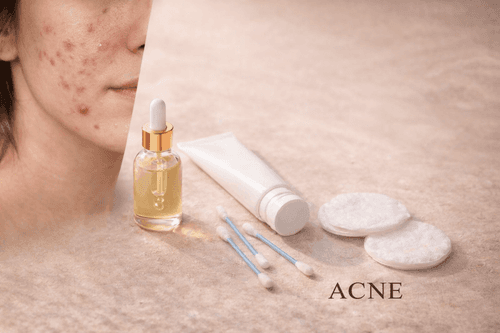
Comedonal acne develops when pores become clogged with excess sebum, dead skin cells, and debris. Unlike inflamed acne, comedonal acne usually appears as whiteheads, blackheads, or tiny flesh-colored bumps beneath the skin without redness or pain. Hormonal fluctuations, oil overproduction, improper exfoliation, and comedogenic skincare products all contribute to pore blockage and uneven skin texture.
Key Takeaways
- Comedonal acne is a non-inflammatory form of acne caused by clogged pores
- Whiteheads are closed comedones, while blackheads are open comedones
- Excess oil, dead skin build-up, and pore-clogging products are major triggers
- Ingredients like salicylic acid and retinoids help unclog pores and improve skin turnover
- Consistent skincare and non-comedogenic products help prevent recurring breakouts
What Comedonal Acne Actually Is
Comedonal acne is a type of acne that forms when hair follicles become blocked with oil, dead skin cells, and debris. These clogged follicles are called comedones.
Unlike cystic or inflammatory acne, comedonal acne usually does not involve swelling, pain, or redness. Instead, it appears as:
- Whiteheads
- Blackheads
- Tiny bumps under the skin
- Rough or uneven skin texture
It commonly affects:
- Forehead
- Nose
- Chin
- Cheeks
- Jawline
People with oily or combination skin are more likely to develop comedonal acne because their sebaceous glands produce excess oil that contributes to pore congestion.
Types of Comedonal Acne
Closed Comedones (Whiteheads)
Closed comedones occur when the pore remains sealed beneath the skin’s surface. Oil and dead skin cells become trapped inside, creating small white or flesh-colored bumps.
These bumps are often:
- Smooth to touch
- Non-painful
- Difficult to extract
- Common on the forehead and cheeks
Open Comedones (Blackheads)
Blackheads form when clogged pores remain open. The trapped oil oxidizes upon exposure to air, turning the surface dark.
The black color is not dirt. It results from oxidation of sebum and dead skin cells.
Why Comedonal Acne Happens
Comedonal acne develops through a combination of excess sebum production, irregular skin cell shedding, and pore blockage.
Excess Sebum Production
Sebaceous glands naturally produce oil to lubricate the skin. However, hormonal fluctuations can overstimulate these glands, causing excessive oil accumulation inside pores.
When sebum production increases, pores become more vulnerable to congestion.
Dead Skin Cell Build-Up
Healthy skin continuously sheds dead cells. When this shedding process slows down or becomes irregular, dead cells accumulate inside follicles and mix with oil, forming comedones.
Comedogenic Skincare Products
Heavy creams, oily sunscreens, thick makeup products, and pore-clogging ingredients can trap debris inside follicles and worsen congestion.
Products containing certain oils, waxes, and silicones may trigger breakouts in acne-prone skin.
Hormonal Fluctuations
Androgens stimulate sebaceous glands to produce more oil. Hormonal shifts during puberty, menstrual cycles, PCOS, stress, or pregnancy can increase the likelihood of clogged pores.
Humidity and Sweat
Excess humidity and sweat create an occlusive environment where oil and dead skin cells accumulate more easily, especially under makeup or tight clothing.
The Sebum-Dead Skin Cycle Behind Comedonal Acne
Comedonal acne follows a specific biological process.
Sebaceous glands release oil into hair follicles. When dead skin cells fail to shed properly, they mix with sebum and create a plug inside the pore.
This blockage prevents oil from flowing out normally. Over time:
- Closed pores form whiteheads
- Open pores oxidize and become blackheads
- Skin texture becomes rough and bumpy
Although bacteria can contribute to acne progression, early comedonal acne is primarily driven by pore congestion rather than inflammation.
How Your Skincare Routine Might Be Worsening It
Sometimes the products or habits intended to improve acne actually worsen comedonal breakouts.
Over-Exfoliation
Using harsh scrubs or exfoliating too frequently damages the skin barrier and triggers irritation. This can increase oil production and worsen congestion.
Heavy Moisturizers
Thick or greasy moisturizers may trap oil and debris inside pores, especially in oily or acne-prone skin.
Sleeping With Makeup On
Makeup residue combines with sebum and dead skin cells overnight, increasing the chances of clogged pores.
Picking or Squeezing
Trying to extract whiteheads manually can damage follicles and lead to inflammation, scarring, or post-acne marks.
Signs That You May Have Comedonal Acne
Common symptoms include:
- Tiny bumps under the skin
- Whiteheads or blackheads
- Rough skin texture
- Small forehead bumps
- Persistent clogged pores
- Acne without redness or pain
Many people mistake comedonal acne for fungal acne or skin irritation because of its textured appearance.
Best Ingredients for Comedonal Acne
Salicylic Acid
Salicylic acid is oil-soluble, meaning it penetrates deep inside pores to dissolve excess oil and dead skin build-up.
It helps:
- Unclog pores
- Reduce whiteheads and blackheads
- Improve skin texture
- Control excess oil
Retinoids
Retinoids normalize skin cell turnover and prevent dead cells from accumulating inside follicles.
They are highly effective for:
- Closed comedones
- Persistent congestion
- Uneven texture
- Preventing future breakouts
Niacinamide
Niacinamide helps regulate sebum production while supporting the skin barrier and reducing irritation.
AHAs and BHAs
Chemical exfoliants help remove dead skin cells and prevent pore blockage without the harsh friction caused by physical scrubs.
Skincare Routine for Comedonal Acne
Step 1: Gentle Cleanser
Use a mild cleanser twice daily to remove excess oil and impurities without stripping the skin barrier.
Step 2: Chemical Exfoliation
Apply salicylic acid or other gentle exfoliants several times per week to keep pores clear.
Step 3: Lightweight Moisturizer
Hydration remains essential even for oily skin. Choose lightweight, non-comedogenic moisturizers.
Step 4: Sunscreen
Daily sunscreen protects the skin barrier and helps prevent post-inflammatory pigmentation.
Look for:
- Oil-free formulas
- Gel-based textures
- Non-comedogenic labels
Common Triggers That Worsen Comedonal Acne
Several lifestyle and environmental factors can worsen pore congestion.
Stress
Stress increases cortisol levels, which may stimulate oil production and worsen acne.
Poor Diet Choices
High glycemic foods may increase insulin spikes that indirectly stimulate sebum production in some individuals.
Lack of Sleep
Insufficient sleep affects hormonal balance and skin barrier repair processes.
Humid Weather
Hot, humid conditions increase sweat and oil accumulation on the skin.
How to Prevent Comedonal Acne
Prevention focuses on reducing pore blockage and maintaining healthy skin turnover.
Use Non-Comedogenic Products
Choose skincare and makeup products specifically designed not to clog pores.
Avoid Harsh Scrubs
Physical exfoliation can irritate follicles and worsen texture.
Cleanse Consistently
Gentle cleansing helps remove excess oil and debris without damaging the barrier.
Remove Makeup Before Sleeping
Keeping pores clear overnight reduces congestion.
Maintain a Consistent Routine
Frequent product switching can irritate the skin and disrupt barrier stability.
When Comedonal Acne Needs Professional Treatment
| Sign | What It Might Indicate | Why It Matters |
|---|---|---|
| Persistent clogged pores | Chronic comedonal acne | May require prescription retinoids |
| Inflamed painful breakouts | Progression into inflammatory acne | Higher risk of scarring |
| No improvement after 8–12 weeks | Underlying hormonal or skincare trigger | Needs professional evaluation |
| Frequent recurring whiteheads | Barrier dysfunction or comedogenic products | May need routine adjustment |
| Dark marks after acne | Post-inflammatory hyperpigmentation | Requires targeted treatment |
If over-the-counter products fail to improve your skin after several weeks, consult a dermatologist for personalized treatment options.
Understanding Internal Triggers: Clear Ritual’s Perspective
Comedonal acne is not simply a surface-level issue. Oil production, hormonal fluctuations, skin barrier health, inflammation pathways, and environmental triggers all influence how pores behave over time. While external skincare helps manage congestion, understanding the deeper factors contributing to clogged pores is equally important for long-term skin stability.
At Clear Ritual, we combine the best of Ayurveda, modern dermatology, and advanced skin science to understand individual acne triggers through structured skin assessments. This approach helps identify the unique internal and external patterns contributing to recurring congestion and uneven skin texture.
Frequently Asked Questions
1. Is comedonal acne the same as fungal acne?
No. Comedonal acne is caused by clogged pores filled with oil and dead skin cells, while fungal acne involves yeast overgrowth within hair follicles. Fungal acne is usually itchy and appears in uniform clusters.
2. Why do I keep getting tiny bumps on my forehead?
Forehead bumps are commonly caused by excess oil production, sweat, hair products, or dead skin accumulation leading to closed comedones.
3. Can oily skin cause comedonal acne?
Yes. Excess sebum increases the chances of pore blockage and comedone formation.
4. How long does comedonal acne take to clear?
Skin turnover takes approximately 28 days, so noticeable improvement usually requires 6–8 weeks of consistent skincare.
5. Should I pop whiteheads?
No. Squeezing whiteheads can damage follicles, increase inflammation, and lead to scarring or pigmentation.
6. Does moisturizer worsen comedonal acne?
Not necessarily. Heavy or comedogenic moisturizers may clog pores, but lightweight non-comedogenic moisturizers help maintain skin barrier health.
7. Can stress worsen comedonal acne?
Yes. Stress increases cortisol levels, which may stimulate oil production and worsen congestion.
8. What ingredients should I avoid if I have comedonal acne?
Avoid overly greasy, occlusive, or comedogenic products that may trap oil and debris inside pores.
Editorial Standards
Hims & Hers has Strict sourcing guidelines to ensure our content is accurate and current. We rely on peer-reviewed studies, academic research institutions, and medical associations. We strive to use primary sources and refrain from using tertiary references. See a mistake? Learn More about our Editorial Standards.